



PACK Module Knowledge Series ② – Design and Development of Battery Packs
Why are lithium battery packs for electric vehicles bulky and heavy, while those for mobile phones are as thin and light as a card? Why can battery cabinets in energy storage power stations operate stably for a decade, yet some batteries in electric toys bulge and fail in a short time? The answer lies not merely in the type of battery cells, but in a sophisticated systematic engineering process known as battery pack (PACK) design and development. It determines whether the energy of battery cells can be delivered to end products safely, efficiently and in a fully adapted manner.
We can liken PACK design to a complex urban planning project: battery cells are the energy source, and the design team’s mission is to plan roads (electrical connections), build water drainage and heating systems (thermal management), set up a traffic command center (Battery Management System, BMS), and construct robust city walls and disaster prevention systems (structure and safety). The quality of this planning directly dictates the operational efficiency, disaster resistance and service life of this "energy city".
Step 1: Define the "Master Plan" – In-depth Demand Decomposition
All design starts with the precise interpretation of requirements, not the rigid copy of parameter tables. This requires in-depth communication with the end product team to clarify core questions:
- What are the performance goals? Is it pursuing extreme energy density (e.g., high-end electric vehicles), strict cost control (e.g., energy storage power stations), or stringent volume constraints (e.g., wearable devices)? What is the required fast-charging rate? What is the expected service life in years or charge-discharge cycles?
- What operating environment will it face? Will it withstand the extreme cold of the Arctic or the sweltering heat of the equator? Will it endure frequent vibrations with vehicles, or remain stationary in a constant-temperature computer room? What level of dust and water proofing is needed?
- What is the safety bottom line? Beyond mandatory national standards, are there more rigorous enterprise standards? In the event of thermal runaway, is no spread required, or is a controlled pressure relief time acceptable?
- What are the manufacturing and cost boundaries? Does the budget allow for all-aluminum laser welding? What is the automation level of the production line? Should maintenance convenience be a top priority in the later stage?
This list of questions forms the "constitution" of the design. A critical decision then follows: cell selection. As the cornerstone of the entire system, choices including cathode materials (NCM vs. LFP lithium battery), packaging forms (prismatic, cylindrical, pouch) and single cell capacity will fundamentally lock in the energy, cost and safety attributes of the battery pack from the source.
Step 2: Draw the "Urban Blueprint" – System Scheme Planning
With the master plan in place, engineers proceed to outline the top-level architecture of the battery pack:
- Series-parallel topology: How many cells are needed in series to meet the voltage target, and how many in parallel to satisfy the capacity demand? This structure directly affects the complexity of the BMS and the difficulty of consistency management in the later stage.
- Integration route selection: Adopt the traditional multi-level structure of "cell - module - battery pack", or more advanced solutions such as Cell to Pack (CTP) or even Cell to Chassis (CTC)? The latter greatly improves space utilization but poses revolutionary challenges to structural strength, thermal management and maintainability.
- Core system technical route: Air cooling, liquid cooling or direct cooling for thermal management? Passive or active balancing strategy for BMS? All these choices involve trade-offs between performance, cost and reliability.
Step 3: Collaborative Design of Core Systems – A Symphony of Multidisciplinary Expertise
This is the core stage of design, where mechanical, electrical, thermal and software teams must collaborate in sync, much like different parts of an orchestra playing in harmony.
- Structural design: Building the skeleton and armor. The housing is more than just a container; it is the core of load-bearing and safety. Every detail, including material selection (aluminum, steel, composite materials), stiffener layout, directional pressure relief design of pressure relief valves, and fire barriers between modules, is critical to collision safety and thermal runaway protection. The internal layout must be precise, reserving space for wiring harnesses, cooling pipelines and sensors while maximizing volume utilization.
- Electrical design: Planning the energy expressway and traffic rules. Design low-impedance busbars and welding solutions, and select connectors and contactors that can withstand instantaneous high currents. More importantly, design a reliable set of "traffic rules" – including fuses (overcurrent protection) on the main lines and insulation detection systems for real-time leakage monitoring. Redundant design and derating use (e.g., operating a 100A device at 70A) are the keys to ensuring safety here.
- Thermal management design: Installing central air conditioning and underfloor heating. The goal is to control the temperature of all cells within the optimal range and maintain an extremely small temperature difference. Design engineers need to design coolant flow channels like planning water conservancy projects to ensure no "cooling blind spots". In cold regions, heating systems must be integrated to prevent lithium ions from "freezing" and losing mobility at low temperatures. Simulation tools are crucial here for predicting temperature fields under different working conditions.
- BMS design: Building the "brain" and "nervous system" of the energy city. It is a combination of hardware and software. On the hardware side, high-precision voltage and temperature sensors are deployed as "nerve endings". On the software side, complex algorithms are developed: how to accurately estimate the State of Charge (SOC) from fluctuating voltage and current? How to judge the State of Health (SOH) of the battery? How to identify micro-shorts and cut off the circuit in milliseconds? An excellent BMS is the unsung guardian of the safety and longevity of the battery system.
Step 4: "Stress Tests" in the Virtual World – Simulation Verification
Before manufacturing the first physical prototype, the design must undergo rigorous virtual validation on a computer:
- Structural simulation: Simulate vehicle collisions and road bumps to check for housing deformation and solder joint tearing.
- Thermal-fluid simulation: Verify if heat generated during fast charging can be dissipated quickly and if heating is uniform in extreme cold.
- Electrical simulation: Simulate the current impact of an instantaneous short circuit to confirm that protective devices can act in a timely manner.
- Even thermal runaway spread simulation: Predict the propagation path of flame and high-temperature gas after a single cell failure to optimize the design of fire barriers and pressure relief channels.
Simulation can identify most design flaws, avoiding costly errors in the physical prototyping stage.
Step 5: The Ultimate Test in the Real World – Prototyping and Testing
When the prototype rolls off the trial production line, the real test begins. Test engineers simulate all extreme conditions the battery pack may encounter throughout its life cycle:
- Performance testing: Verify if capacity, power and fast-charging speed meet the standards.
- Safety abuse testing: The most rigorous phase, including nail penetration, extrusion, overcharge/overdischarge and high-temperature furnace testing, to validate the bottom line of safety design.
- Environmental reliability testing: Subject the prototype to rapid temperature changes simulating all four seasons in a temperature chamber, simulate hundreds of thousands of kilometers of bumps on a vibration table, and test sealing performance in a humidity chamber.
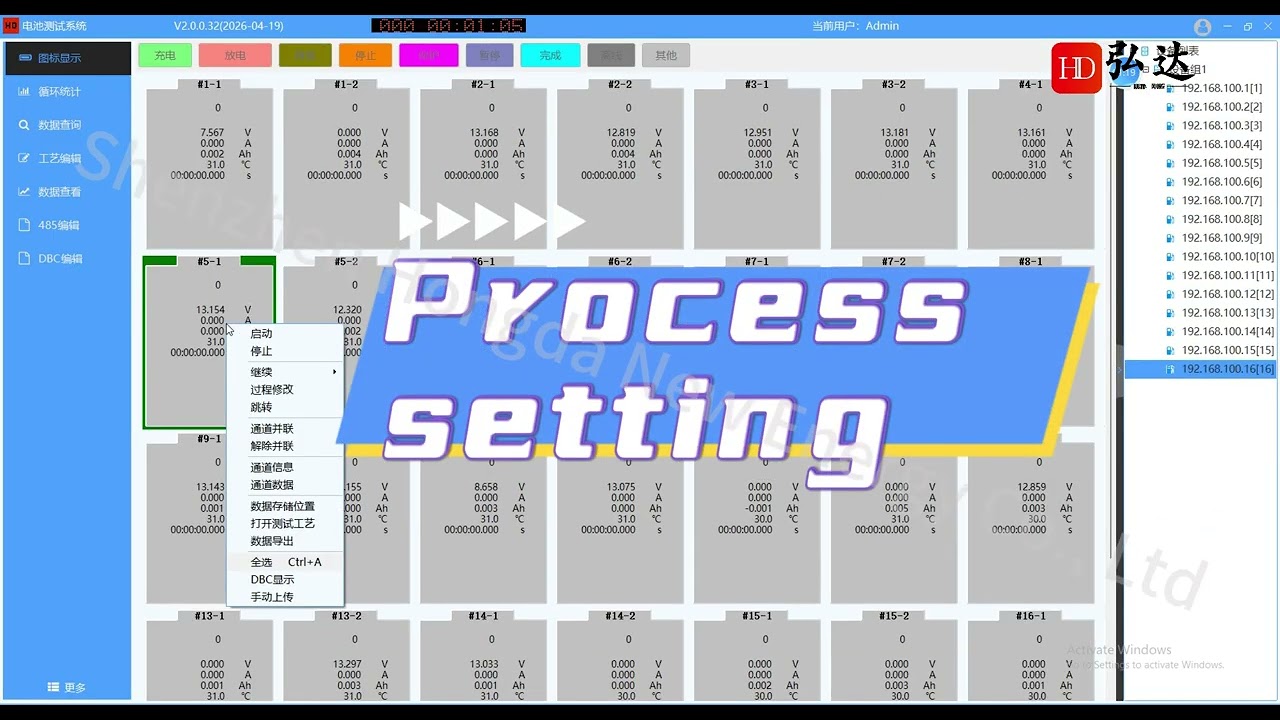
- Life testing: Conduct thousands of charge-discharge cycles with dedicated equipment and plot the capacity decay curve.
A failure in any test means the design needs to be iterated. This cycle of "design - prototyping - testing - optimization" may be repeated multiple times until the product meets all stringent requirements.
Step 6: From the Lab to the Market – Mass Production Implementation
A qualified prototype is only half the battle won. The core of the mass production stage is to ensure that thousands of products maintain the same quality as the prototype.
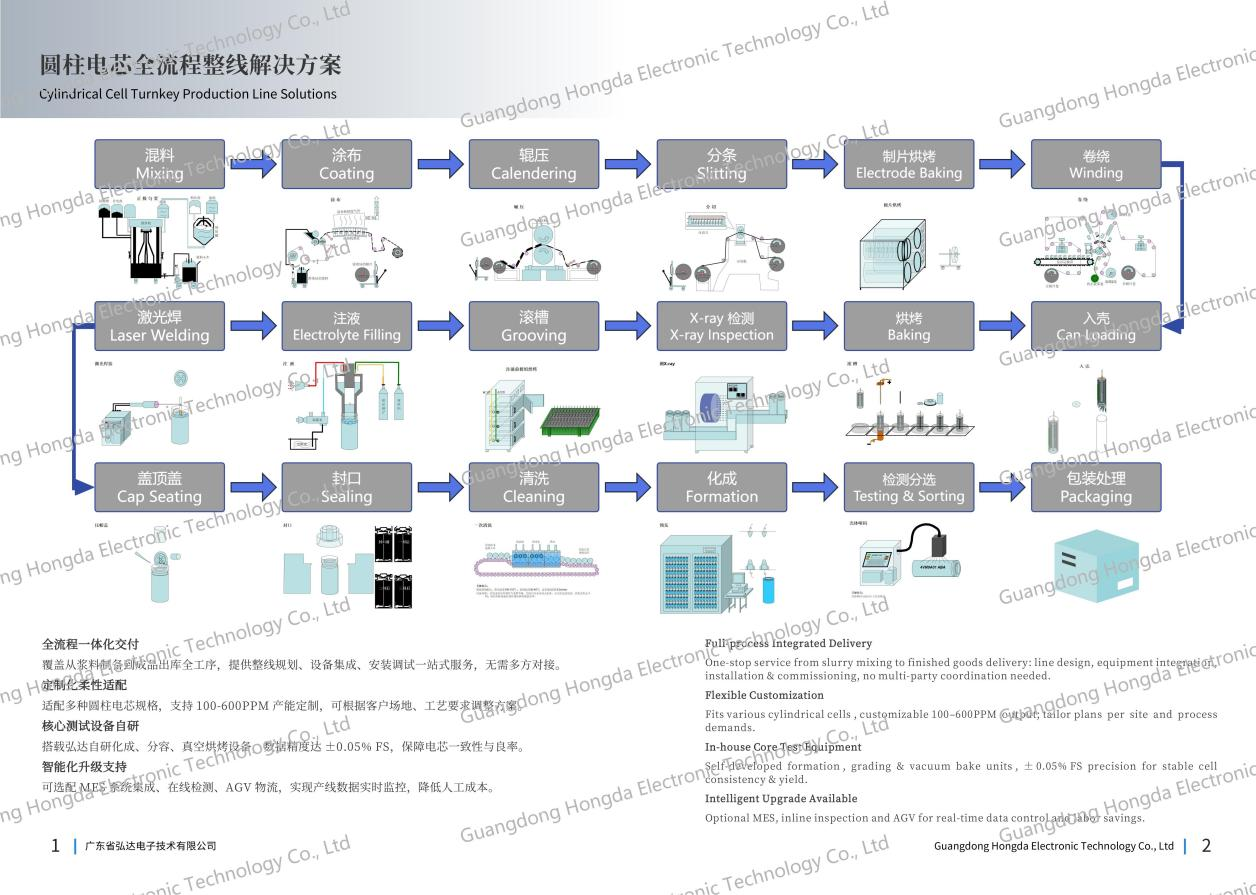
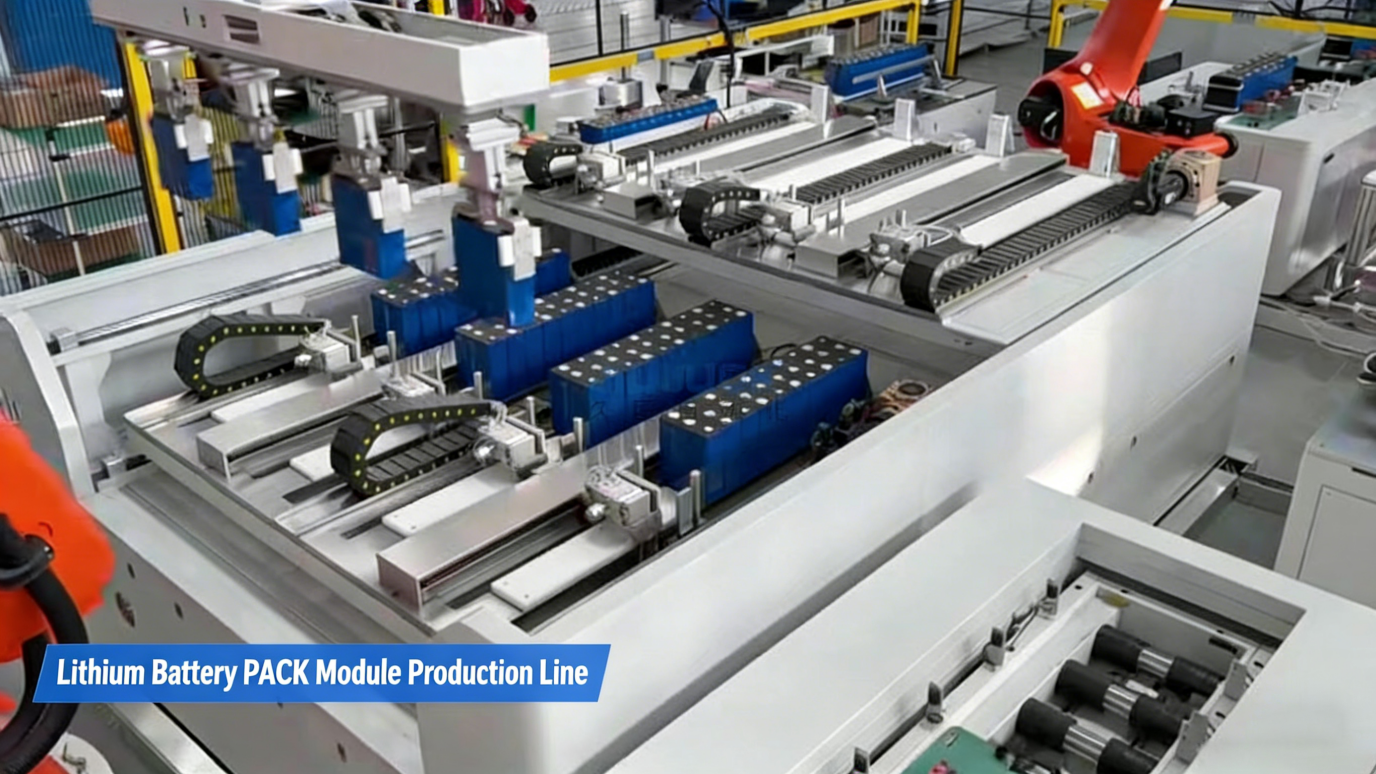
This requires translating the design into repeatable, high-efficiency and low-cost manufacturing processes. For example, how to realize automatic cell feeding and high-precision welding? How to ensure consistent electrolyte injection volume for each PACK? How to conduct rapid online insulation performance testing? Meanwhile, a full-process quality traceability system from cell incoming inspection to finished product delivery must be established, making every battery pack fully traceable.
Therefore, the core logic of an excellent PACK design is systematic trade-off and closed-loop verification. There is no single optimal solution, only the best balance point under specific constraints (cost, space, performance, safety).
Future trends such as the integration of CTC technology and solid-state batteries are further blurring the physical boundaries between batteries and vehicles, and batteries and equipment. This poses a higher-dimensional challenge for PACK design: it is no longer just designing an independent "box", but requires deeper physical and electronic control integration with the entire vehicle or equipment.
Understanding this process allows us to view the quality of a battery product more objectively – it is not just a competition of cell parameters, but a systematic engineering achievement that integrates multidisciplinary wisdom and undergoes countless trials and refinements.
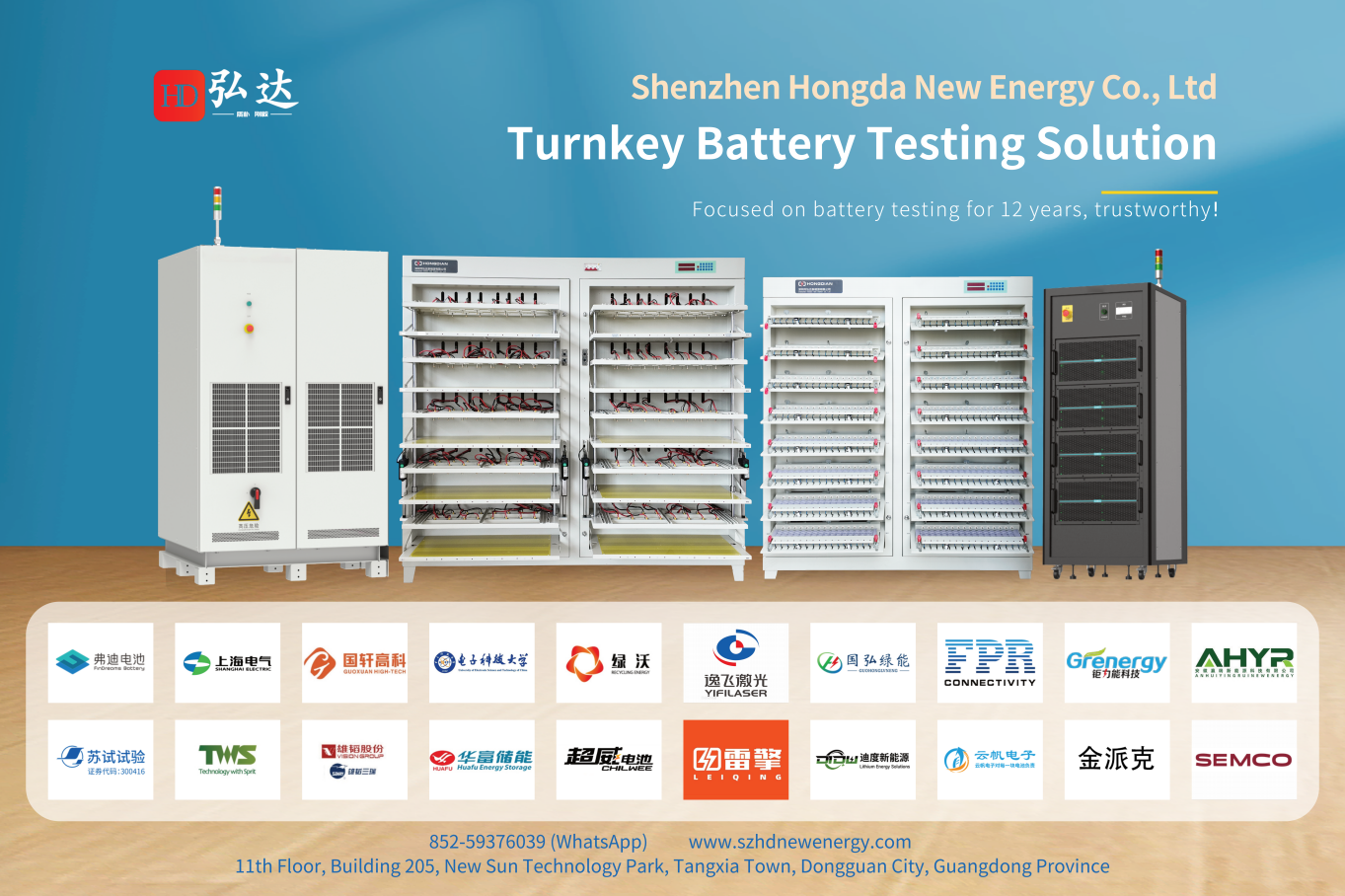
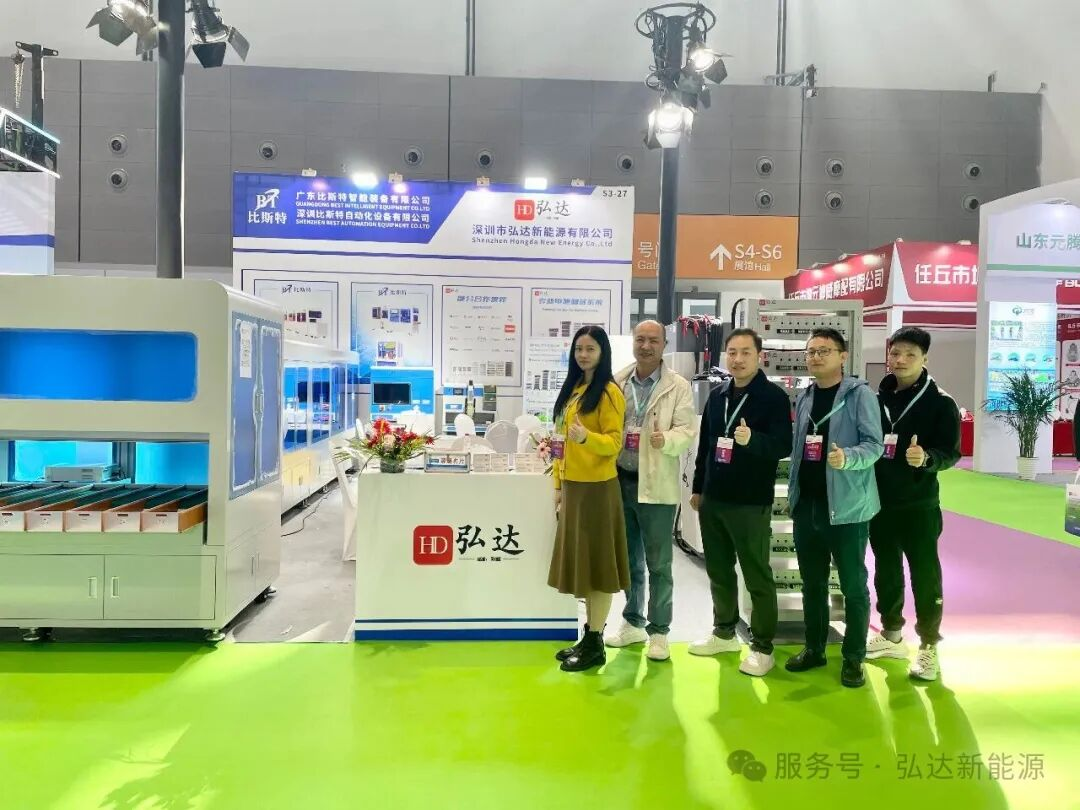
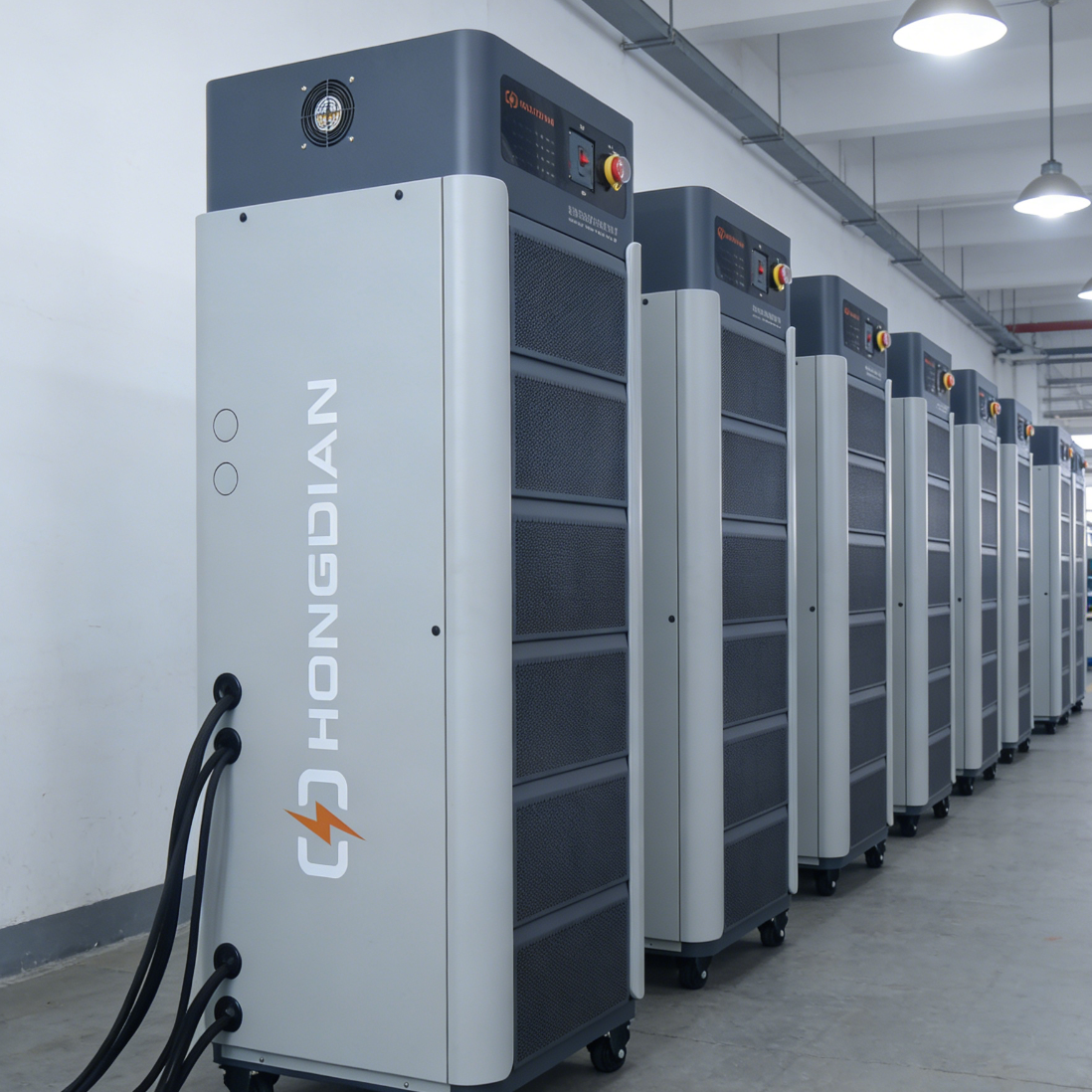
Professional Battery Testing System from Shenzhen Hongda New Energy Co., Ltd.
Founded in 2014, Shenzhen Hongda New Energy Co., Ltd.is a leading supplier of R&D, production and sales of new energy (energy storage) testing equipment and technologies, dedicated to providing precise and reliable testing solutions for the global battery PACK industry. Our self-developed Battery Testing System is a core guarantee for the entire life cycle of battery pack design, development, prototyping and mass production, perfectly matching the testing needs of each stage of PACK development.
Core Advantages of Our Testing System
- Ultra-high Precision Measurement
With a voltage/current accuracy of ±0.05% FS (custom models up to ±0.02% FS) and a current switching dynamic response of ≤10ms, it provides accurate data support for performance verification and life evaluation of battery packs, far exceeding industry standards.
- High-efficiency Energy Feedback
Boasting an energy feedback efficiency of over 90%, the system recycles energy generated during discharge back to the grid or internal loads, greatly reducing energy consumption and operating costs, and aligning with global green energy development strategies.
- Powerful Core Configuration
Equipped with TI 28377 dual-core DSP and all-digital circuit design, it features strong floating-point computing power and multi-task real-time operation, supporting precise control of complex test scenarios such as DCIR testing, constant voltage discharge and dynamic load simulation.
- Comprehensive Test Coverage
The system fully covers all key tests of battery packs, including performance testing, safety abuse testing, environmental reliability testing and life cycle charge-discharge testing, and can simulate extreme working conditions to verify the stability and safety of battery packs in real scenarios.
- Flexible Compatibility & Easy Maintenance
With a 1.5U standard chassis modular design, it integrates multiple communication interfaces (485/CAN/LAN/BMS/MES) and is compatible with DC/DC systems of mainstream brands such as ZTE and Huawei. The vehicle-grade connectors and standardized RJ45 interfaces make production assembly and maintenance simple and efficient.
- Full-cycle Customized Service
Our solutions are widely adapted to battery packs for electric vehicles, energy storage stations, UAVs, smart home appliances and other fields, and we provide customized testing schemes according to the specific needs of customers, from R&D sample testing to mass production online detection, escorting the quality control of battery pack products.
Our Commitment
Hongda New Energy has a 6,000+ square meter R&D and production base, and our "Hongdian" brand testing equipment has been verified by hundreds of leading enterprises in the new energy industry with hundreds of millions of test cycles. We provide one-stop technical support and after-sales service, helping global battery PACK manufacturers improve product consistency, pass ISO/CE strict certifications, and reduce after-sales costs significantly.
Choose Hongda New Energy’s battery testing system, and build a solid foundation for the safety and high performance of your battery pack products!
For global business inquiry, please contact our professional team for detailed solutions