


PACK Module Insights ③: Decoding the Precision Manufacturing Process of PACK Battery Packs
Turning the engineering design blueprint of a battery pack into a reliable finished product in hand, the manufacturing process is an indispensable core bridge. If design sets the upper limit for the performance of a battery pack, the manufacturing process is the key to firmly holding the bottom line of quality and safety. The manufacturing of a PACK battery pack is by no means a simple matter of "twisting screws" and "installing casings", but a precision manufacturing process carried out at the millimeter or even micron scale. The deviation control of each process and the coordinated cooperation of each link directly determine the reliability, service life and safety performance of the final battery pack.
From individual battery cells to a tightly integrated battery system, the manufacturing journey of a PACK starts with the most basic material selection and pre-processing.

Step 1: Rigorous Pre-Screening - Refined Pre-Processing of Battery Cells and Components
The first step in PACK manufacturing is not direct assembly, but the screening and preparation of all core components. The core goal is to ensure that all "component team members" involved in assembly maintain a high degree of uniformity in parameters and quality, avoiding dragging down overall performance and causing malfunctions due to individual differences from the source.
Battery Cell Sorting: Finding "well-coordinated" partners for battery cells. Automated sorting lines act as professional inspectors, conducting a comprehensive "precision physical examination" on each battery cell and accurately measuring key parameters such as the actual capacity, internal resistance and open-circuit voltage of the cells. Only battery cells with highly concentrated parameters (e.g., capacity deviation controlled within ±3% and internal resistance deviation within ±5%) are grouped into the same module for assembly. For high-end new energy application scenarios, an additional self-discharge rate test is carried out to accurately eliminate battery cells with hidden "leakage" problems. This step is the key to solving the "consistency" problem of battery packs from the root.
Component Pre-Processing: Removing all potential obstacles for precision assembly. While battery cells are being sorted, other supporting components of the battery pack are undergoing pre-processing simultaneously: the casing is thoroughly cleaned to remove oil stains and impurities that may affect sealing performance; insulating parts are inspected one by one to ensure no pinholes or damage; the contacts of connectors are cleaned and polished, and evenly coated with special conductive paste to ensure the stability of contact resistance in subsequent use. These seemingly trivial operations can effectively eliminate numerous potential risks that may lead to failures in later use.
Step 2: Precision Assembly of Modules - Building the Core Energy Unit of PACK
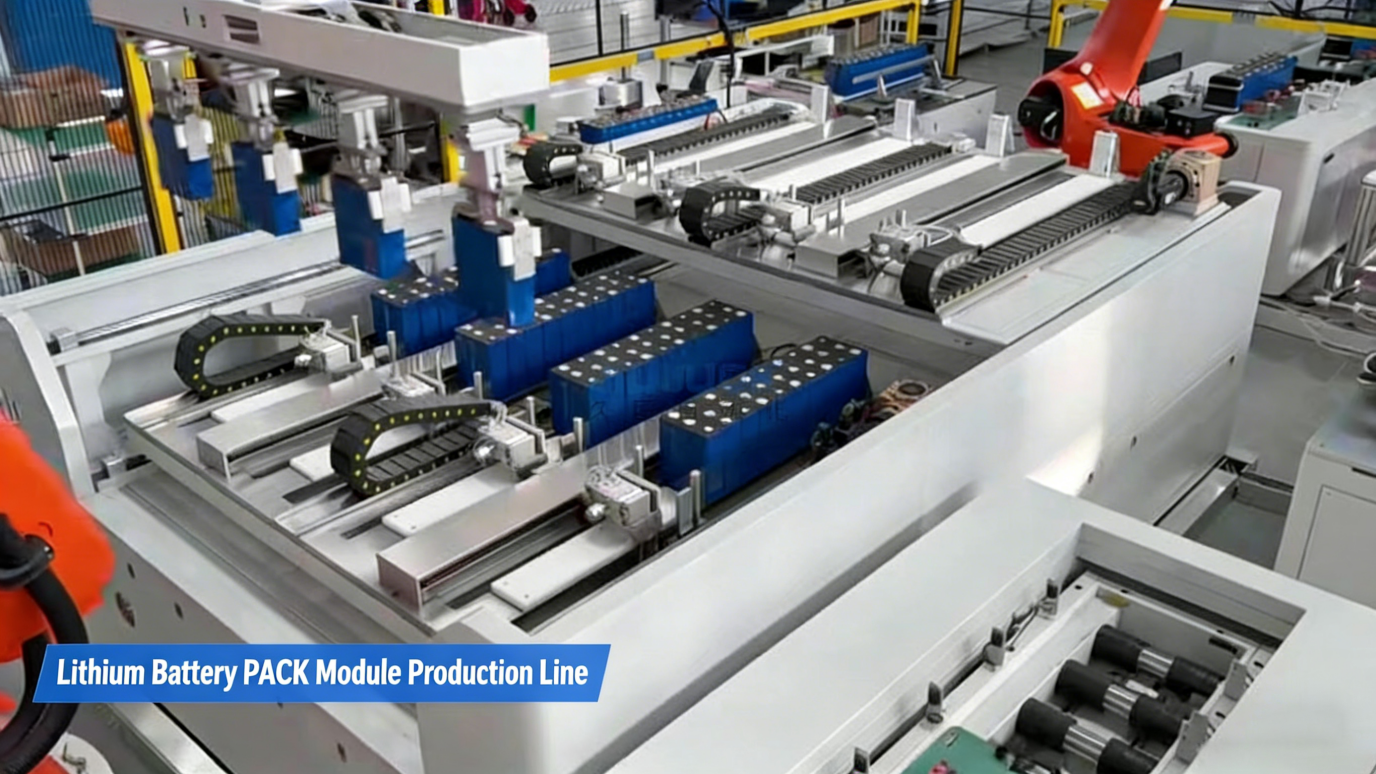
Battery cells that have passed multiple rounds of screening are systematically integrated for the first time in this link to form the most basic energy unit of a PACK battery pack - the module, which is also the link with the most concentrated requirements for process precision in PACK manufacturing.
Stacking and Positioning: Controlling the assembly order within millimeters. According to the design scheme, automated equipment accurately arranges or stacks the battery cells. Whether it is the stacked placement of prismatic cells or the matrix arrangement of cylindrical cells, the positioning accuracy must be controlled within a few tenths of a millimeter. Any slight assembly misalignment will not only hinder the subsequent welding process, but also may bury potential safety hazards of internal short circuits. In some design schemes, thermal conductive gaskets are placed between battery cells to lay a solid foundation for the subsequent thermal management of the battery pack.
Tab Welding: Completing precision "seaming" at the micron scale. This is the core process for endowing the module with electrical life, and laser welding is the mainstream process in the industry at present. A high-energy laser beam is instantly focused between the tab and the connecting piece to achieve seamless fusion of metals. This process has extremely high requirements for technology: the weld spot must be small enough to reduce space and material occupation, and firm enough to withstand the vibration impact during long-term vehicle driving; it must ensure extremely low contact resistance (usually required to be less than 1 milliohm), and absolutely avoid damage to the sensitive diaphragm inside the battery cell caused by excessive laser energy. After the welding work is completed, an advanced visual inspection system immediately scans and inspects each weld spot to automatically identify welding defects such as false welding and burn-through, ensuring the quality of weld spots.
After the initial formation of the module, side plates and end plates are installed on the welded cell cluster, and reliable insulation wrapping is done to form a sturdy mechanical structure. At the same time, temperature sensors and voltage collection harnesses are integrated. At this "semi-finished product" stage, a module-level charge-discharge test is also carried out to verify whether the basic performance of the module meets the standards, and fundamentally prevent defective modules from flowing into the subsequent final assembly link.
Step 3: System Final Assembly - Integrating Multiple Components to Build a Complete Battery Pack System
A single module has limited energy and functions. Next, multiple qualified modules need to be integrated with the core components of the battery pack such as the "brain" (BMS Battery Management System), "circulatory system" (thermal management system) and "neural network" (electrical harness) into a sturdy casing to create a complete PACK battery pack.
Mechanical Assembly: Adhering to meticulous assembly standards. With the assistance of automated equipment or high-precision tooling, the modules are smoothly placed into the lower casing of the battery pack and tightened and fixed according to the preset torque; large components such as cooling pipelines of the liquid cooling system, BMS controllers and high-voltage distribution boxes are also accurately positioned in turn. The torque of bolts, the gap between components, and the laying direction of pipelines must all fully conform to the design specifications without any deviation allowed.
Electrical Integration: Building a stable high-voltage energy expressway. This is the core link to ensure the high-voltage safety of the battery pack. Large-specification copper or aluminum busbars connect each module in series or parallel through laser welding or bolt connection to form the high-voltage positive and negative poles of the battery pack, and the resistance of each connection point must be controlled to a minimal range. At the same time, protection and monitoring devices such as fuses, main contactors and current sensors are accurately connected to the circuit; all electrical harnesses are neatly bundled and fixed to avoid interference with moving parts and prevent affecting the normal heat dissipation of the battery pack.
Sealing Treatment: Forging a waterproof and dustproof "impenetrable shield" for the battery pack. Battery packs need to have an extremely high protection level (such as IP67) to cope with complex use environments such as rain, dust and even short-term immersion, all of which rely on precise sealing processes: laying continuous sealant or arranging special sealing rings on the joint surface of the upper and lower casings, and installing waterproof bolts at the connector positions. The thickness and continuity of the sealant applied, as well as the tightening sequence of the casing bolts, all play a crucial role. Only with strict control can the uniform pressure of the casing be ensured without leaving any leakage gaps.
Step 4: Comprehensive Testing and Verification - Conducting the "Ultimate Quality Test" for Battery Packs
Assembled battery packs must undergo a series of "hell-level" comprehensive tests, and only after passing all tests can they be identified as qualified products. This is also the last "quality gatekeeper" for the PACK manufacturing process.
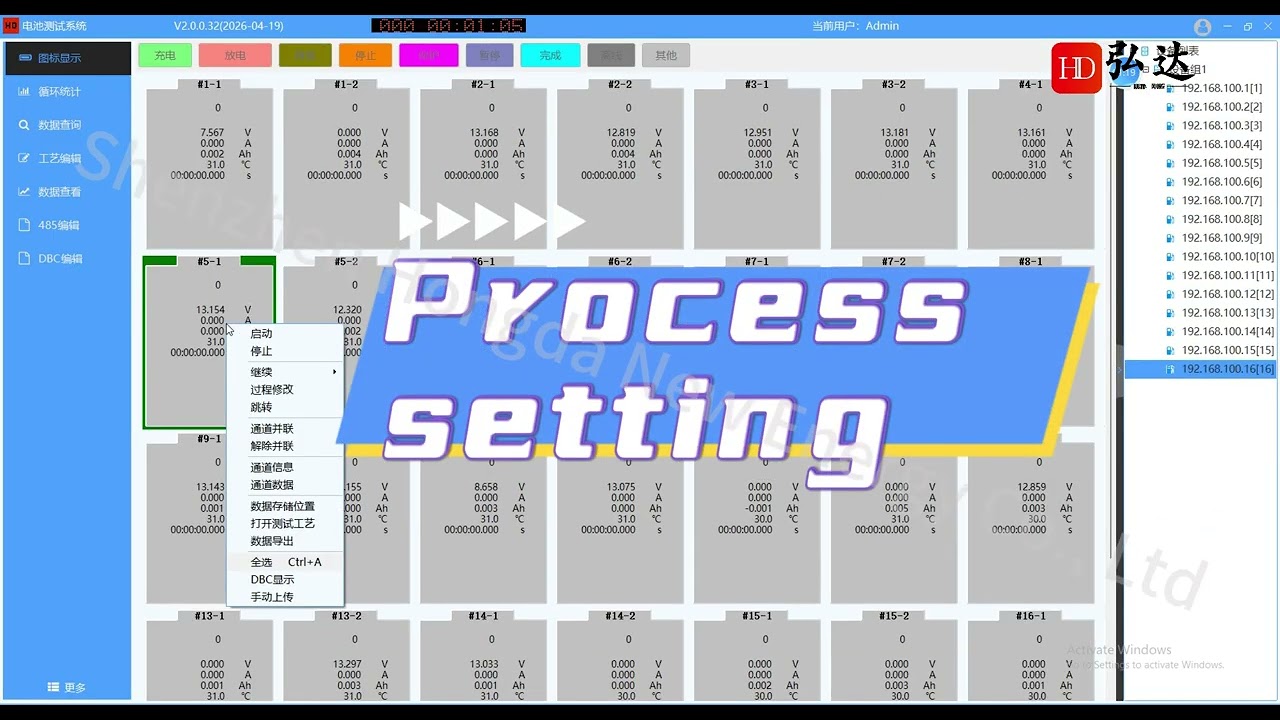
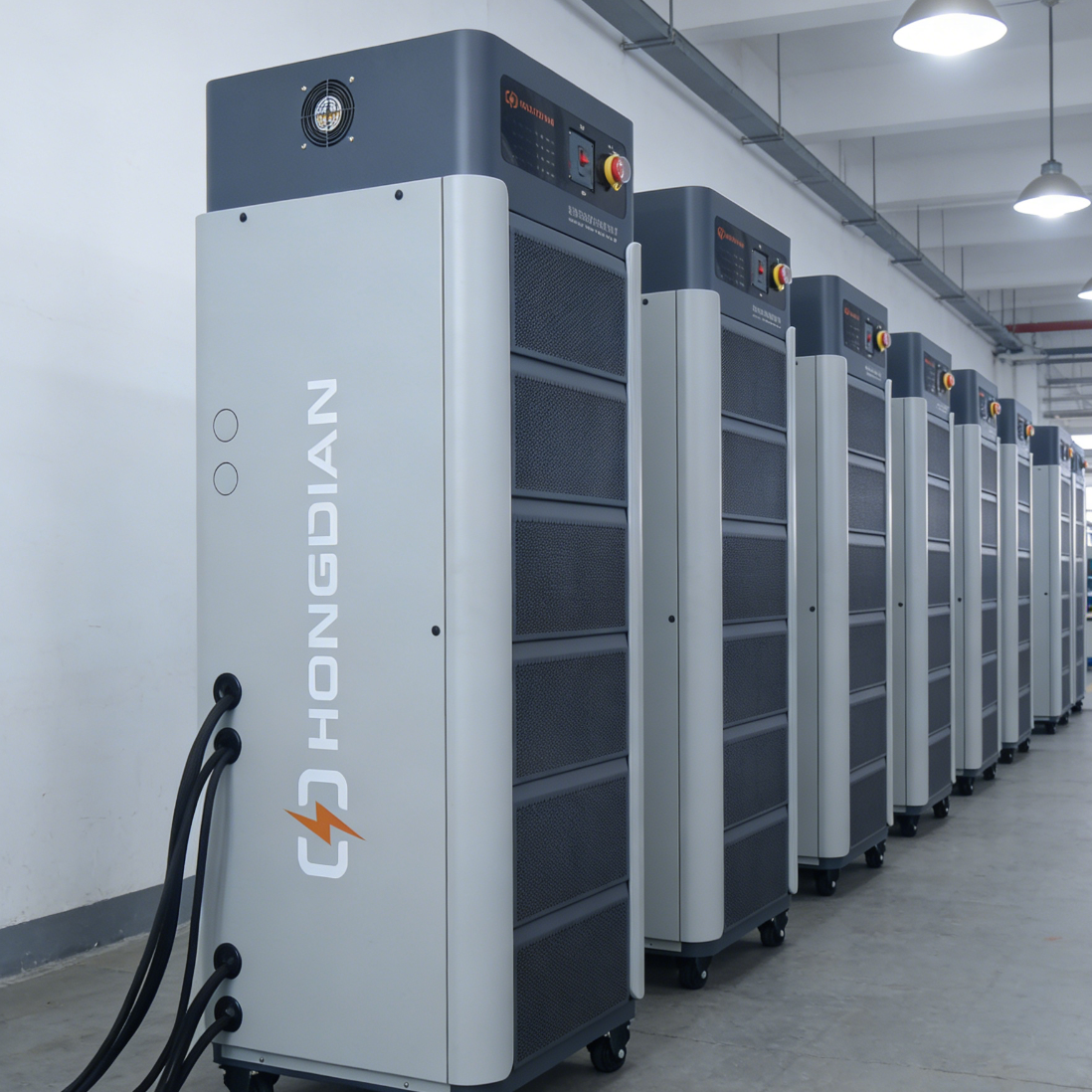
Performance Testing: Relying on professional charge-discharge test cabinets, simulate the actual vehicle use scenarios of new energy vehicles, comprehensively verify the core indicators such as the actual capacity, output power and fast charging speed of the battery pack, and ensure a high degree of consistency with the design values.
Safety Testing: This is the most stringent testing link, including three categories of tests: mechanical safety testing, simulating collision, extrusion and long-term continuous vibration during vehicle driving to verify the mechanical structural stability of the battery pack; electrical safety testing, simulating extreme electrical conditions such as short circuit, overcharge and over-discharge to verify whether the protection circuit can respond timely and accurately; thermal runaway propagation testing, actively triggering the thermal runaway of a single battery cell to verify whether the thermal insulation and pressure relief design of the battery pack can effectively prevent the propagation of thermal runaway and avoid the expansion of disasters.
Environmental Reliability Testing: Place the battery pack in a professional temperature chamber for cyclic testing between an extremely cold environment of -30℃ and a hot environment of 60℃; carry out long-term high-temperature and high-humidity storage tests; complete the immersion test of IP67 waterproof grade. These tests aim to accelerate the simulation of the actual aging process of the battery pack for several years, expose potential product defects in advance, and achieve early detection and early treatment.
Only battery packs that successfully pass all test items can enter the final finished product processing link.
Step 5: Coding and Packaging - Endowing Qualified Battery Packs with a "Full Lifecycle Identity"
Qualified battery packs that have passed all tests undergo final finished product processing: the appearance is fully cleaned, and identification labels containing product model, production date and unique serial number (mostly in the form of two-dimensional codes) are pasted. This exclusive two-dimensional code is the "ID card" for the full lifecycle of the battery pack, through which the production batch of each battery cell used in the battery pack, the key process parameters in the manufacturing process and the full-process test data can be accurately traced. Finally, the battery pack is professionally packaged with shock and static protection, officially completing the manufacturing process and being delivered to various application scenarios such as new energy vehicle factories and energy storage stations.
High-quality PACK battery pack manufacturing is essentially an intelligent manufacturing art that deeply integrates the requirements of extreme precision, ultimate consistency and stringent reliability into large-scale production processes. It not only relies on high-precision automated production equipment and strict production process control, but also an unwavering high-quality culture that runs through the entire production process.
With the continuous development of new energy technology, the PACK manufacturing link is also undergoing continuous intelligent upgrading: real-time online quality judgment on the production line is realized through machine vision technology, and digital twin models are built using production data to optimize process parameters, continuously improving the precision and efficiency of PACK manufacturing. We can also deeply realize that the value of a safe and reliable new energy battery product is not only embodied in the design drawings of the laboratory, but also hidden in every millimeter-level precise positioning and every millisecond-level laser welding spark in the modern factory.
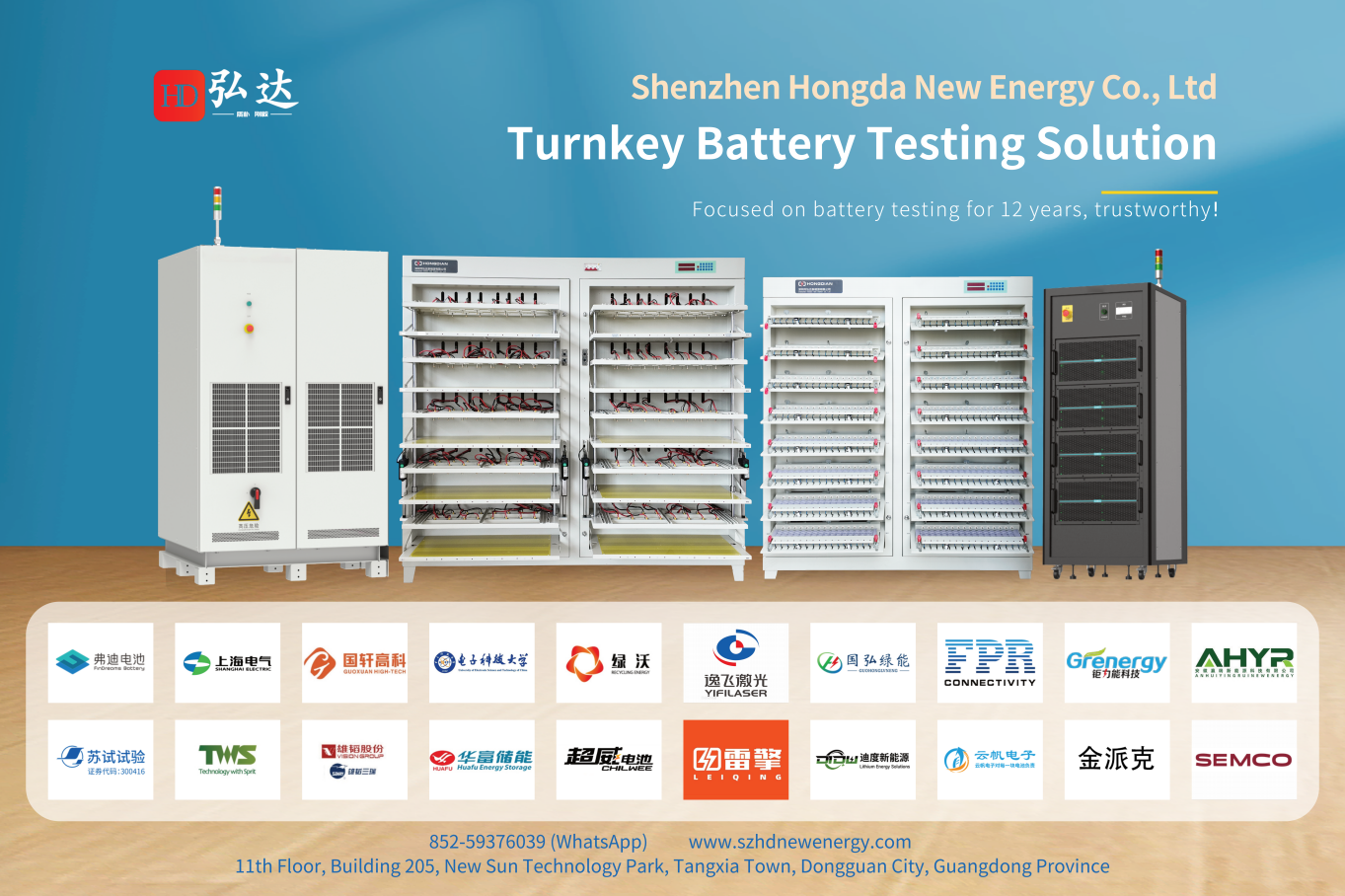
Shenzhen Hongda New Energy Co., Ltd. has been deeply engaged in the field of new energy battery testing for many years, focusing on the full lifecycle testing needs of PACK battery packs, battery cells and modules, and creating a one-stop and customized Battery Testing System solution. The company's battery testing system can fully cover all-dimensional testing scenarios such as performance testing, safety testing and environmental reliability testing of PACK battery packs, accurately simulate various actual vehicle use and working conditions, quickly and accurately verify core indicators such as battery pack capacity, power and fast charging performance, and can complete stringent test items such as collision vibration, overcharge and over-discharge, thermal runaway propagation, high and low temperature cycle and IP67 waterproofing. The test data is accurate, stable and fully traceable. Relying on advanced testing technology, a complete equipment system and customized service capabilities, the battery testing system of Shenzhen Hongda New Energy Co., Ltd. builds a solid quality defense line for major PACK battery pack manufacturing enterprises, helps enterprises improve product reliability and core market competitiveness, and becomes a trustworthy high-quality testing partner in the field of new energy battery manufacturing.