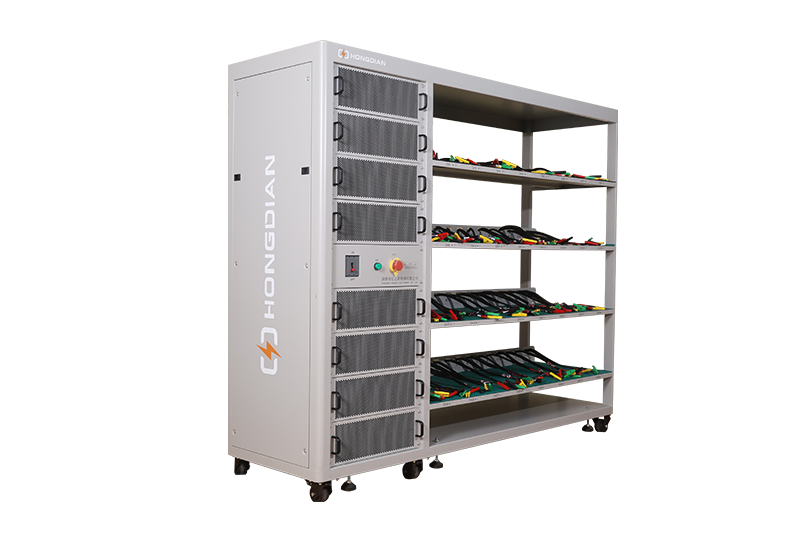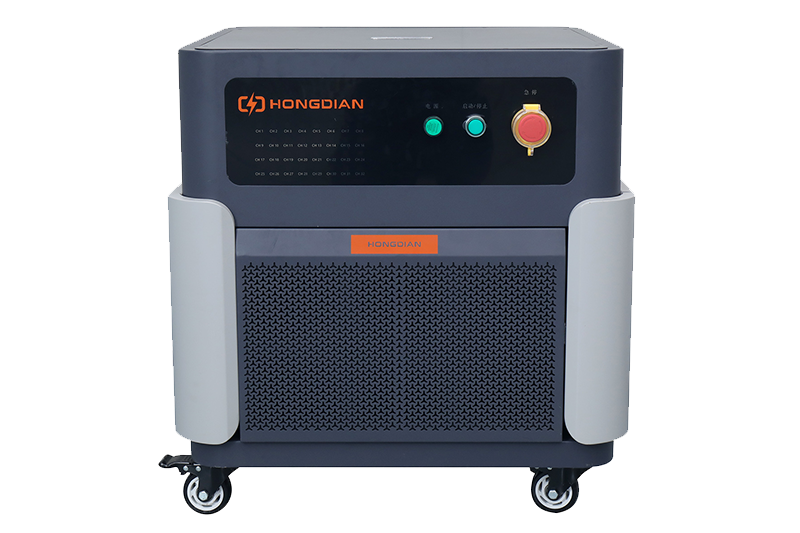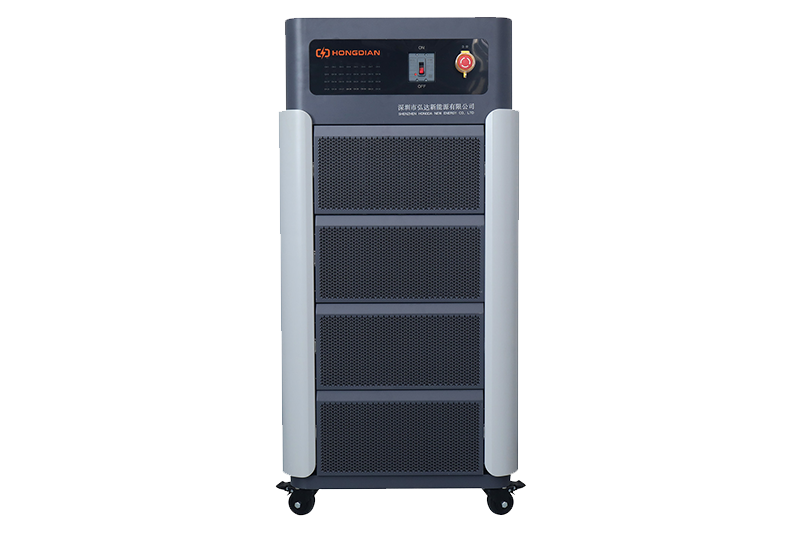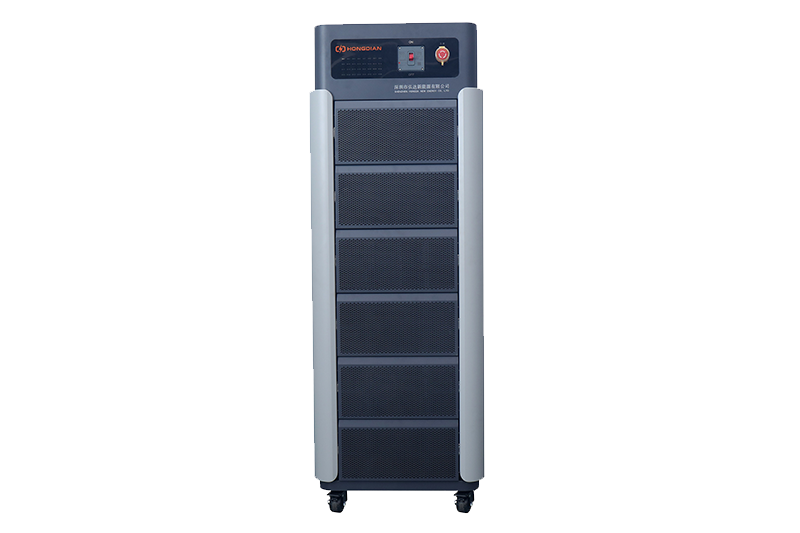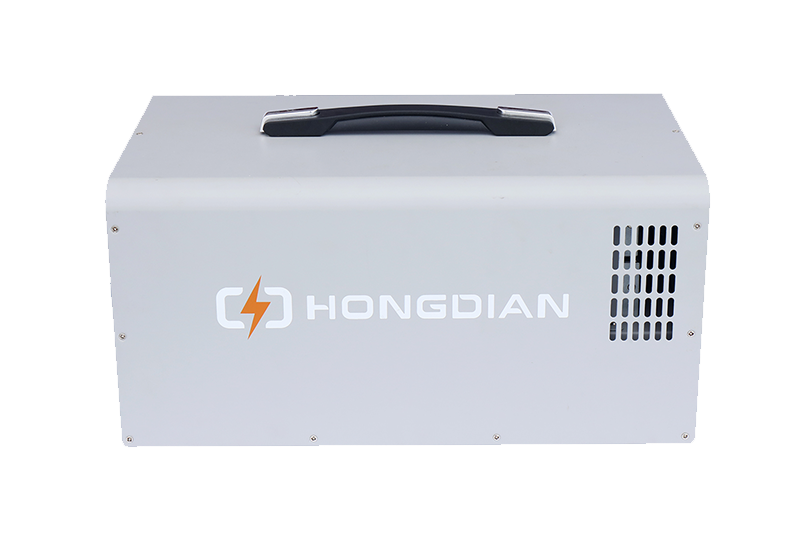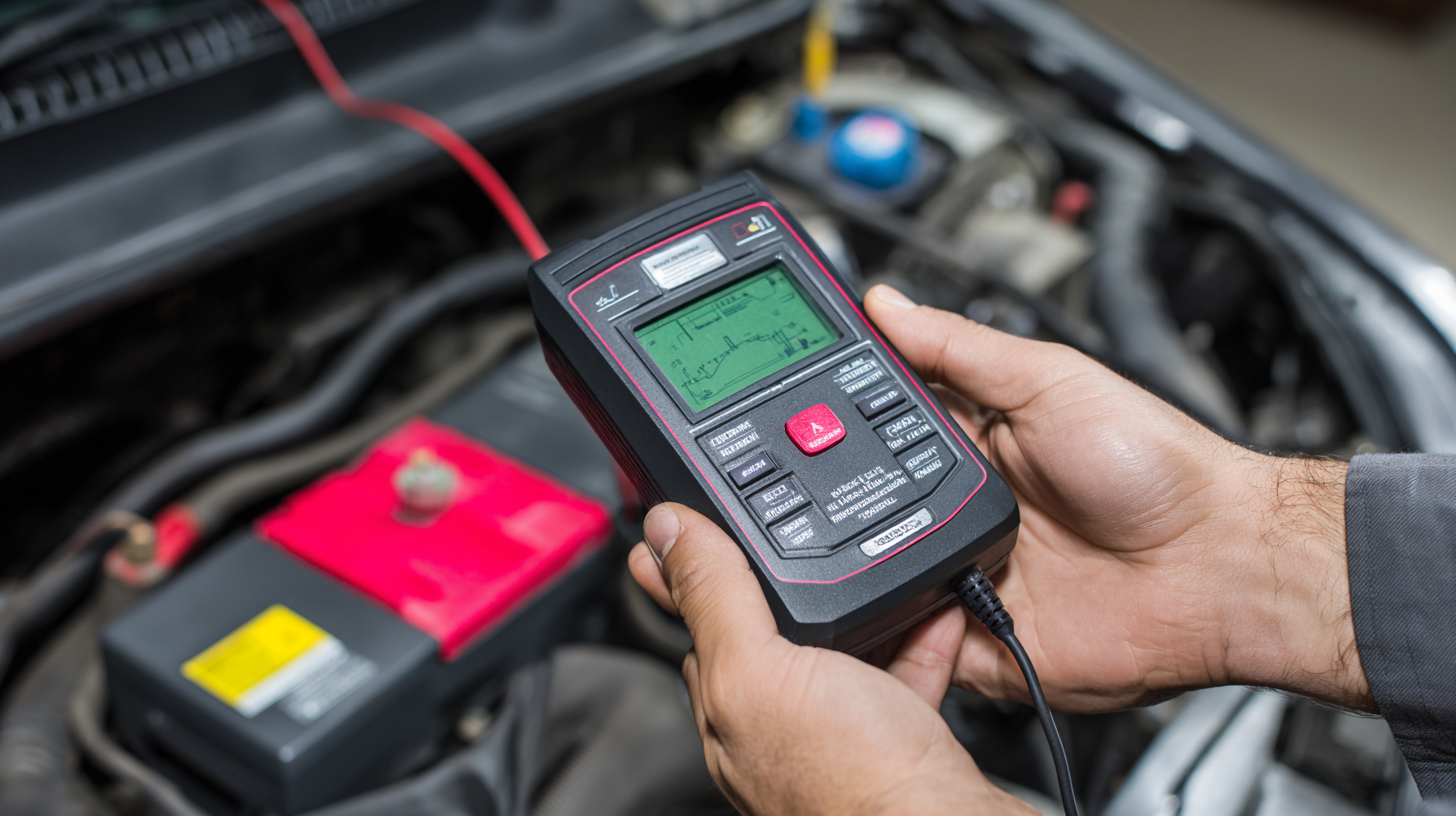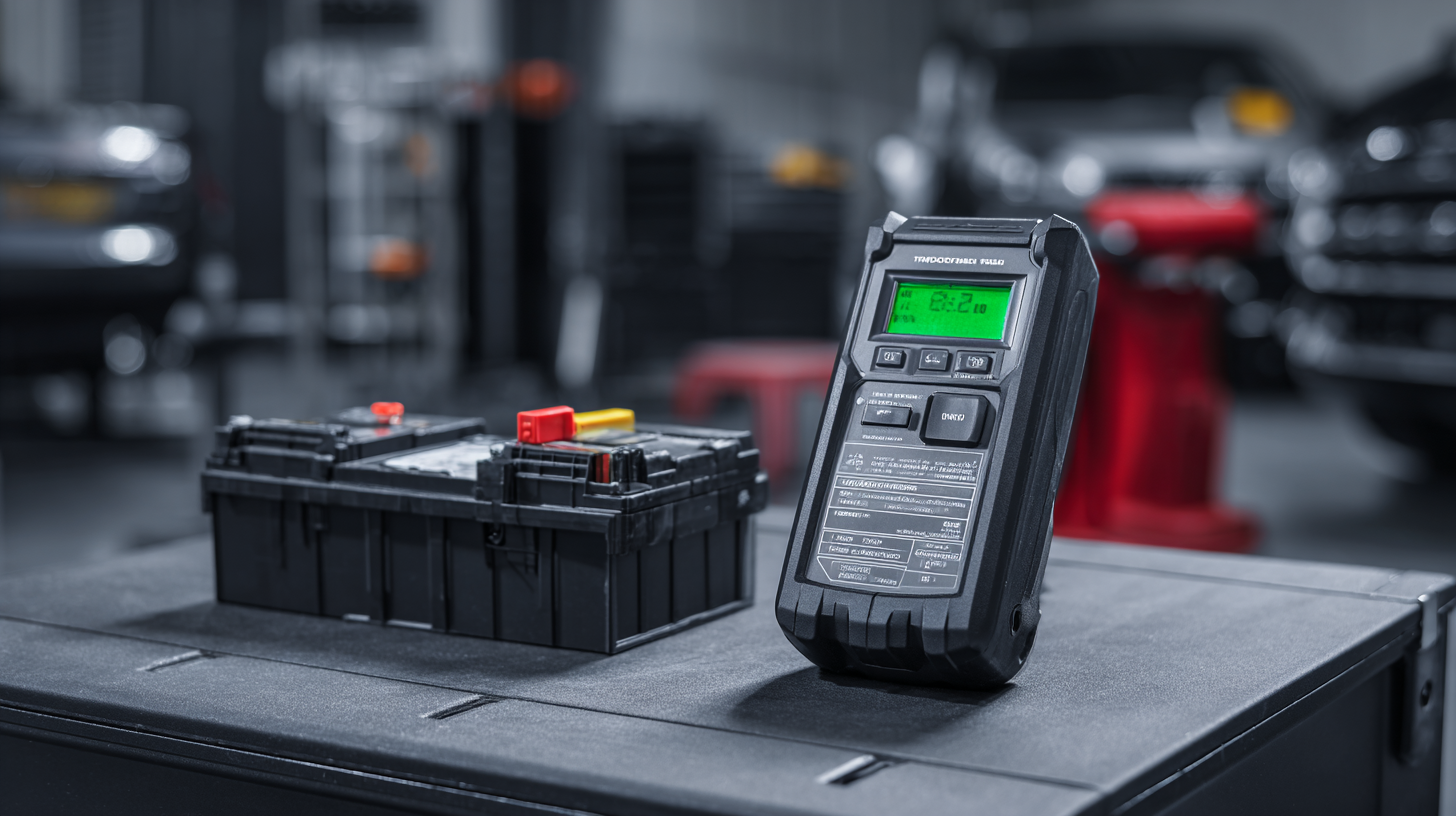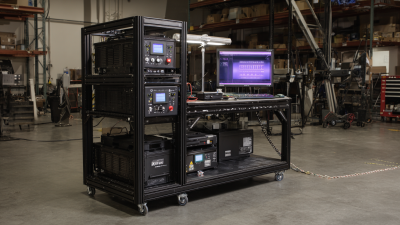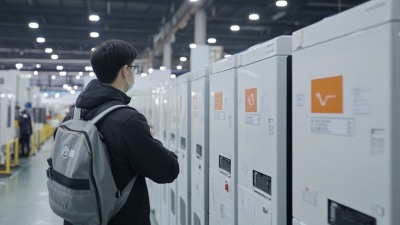
32/48 channel battery charging and discharging test integrated battery cabinet
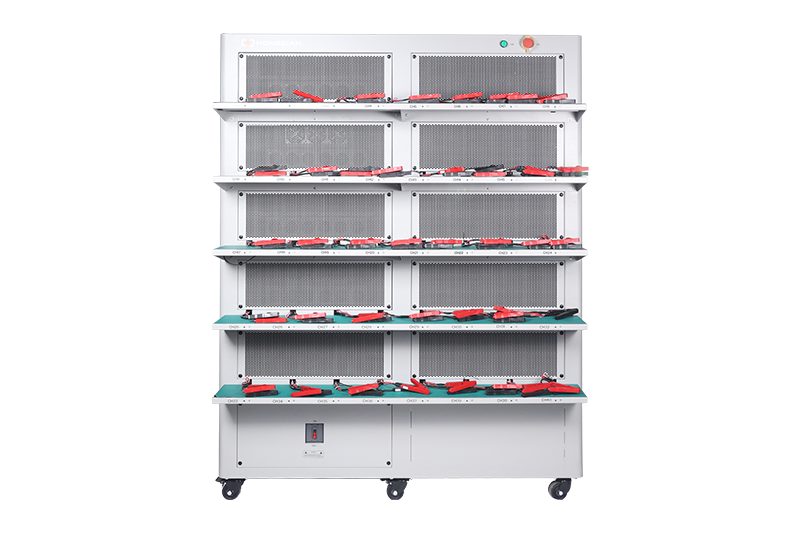
40 channel battery charging and discharging test integrated battery cabinet
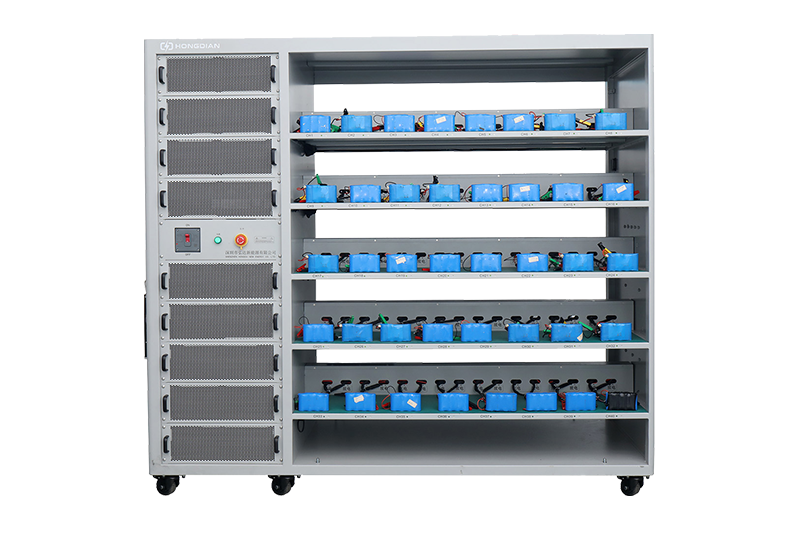
64 channel battery charging and discharging test integrated battery cabinet
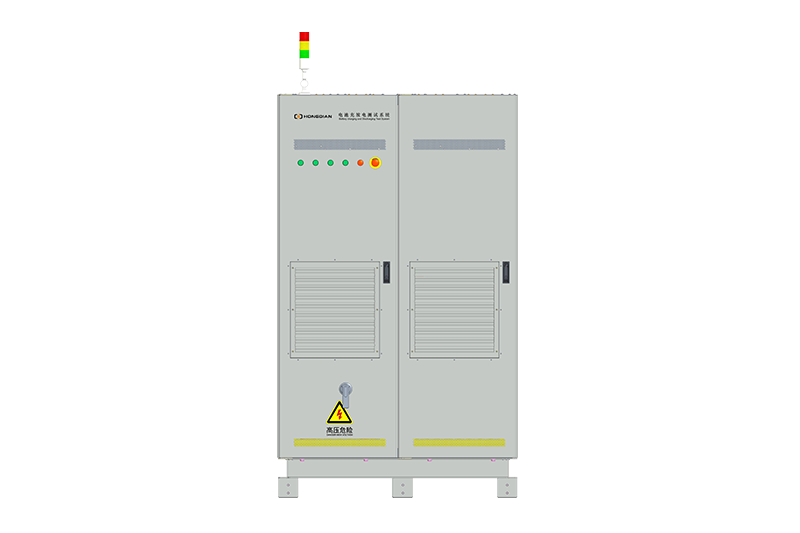
80 channel battery charging and discharging test integrated battery cabinet

As 2025 approaches, the Battery Testing scene is on the cusp of major strides, driven by our growing reliance on digital tech and the push forsustainable energy solutions. A recent market analysis puts the Digital Battery Tester market on a path to grow at aCAGR of just over 9% through 2025, as more companies look for reliable, efficient testing to keep batteries healthy and performing at their best. Shenzhen Hongda New Energy Co., Ltd. has been driving this shift, broadening its services and winning over a diverse mix of clients across several regions. By weaving in cutting-edge digital battery testers into their offerings, Hongda New Energy is not only boosting operational efficiency but also showing its commitment to meeting the evolving needs of over a thousand customers worldwide.
In this blog, we'll dive into the latest tech trends in digital battery testers and what they mean for futureproofing your business in today's increasingly competitive landscape.
In today’s fast-paced business world, the reliability and efficiency of the tools you rely on can really make a difference in productivity. Digital battery testers have moved from a nice-to-have to an essential asset for modern teams, delivering real-time insights into battery health and performance. With these testers, you can quickly assess your battery inventory and ensure every device and piece of equipment is ready to go, helping you avoid unexpected downtime. As more devices become portable and battery-powered, the need for accurate, efficient testing only grows.
And there’s more to love: advanced features like Bluetooth connectivity and data tracking that streamline operations. Managers can monitor battery conditions remotely, get alerts when maintenance is needed, and keep all devices performing at their best. This proactive approach not only smooths workflows but also helps cut costs tied to battery failures. By investing in digital battery testers, organizations position themselves to stay competitive in a tech-driven market, ready for the trends reshaping 2025 and beyond.
As we head into 2025, equipping your business with the right digital battery tester is becoming pretty essential in this fast-changing tech landscape. With demand for testing gear that’s efficient, reliable, and innovative, it helps to know the key features that will keep your investment future-proof. One big thing to look at is connectivity. In a data-driven era, a tester with Bluetooth or Wi-Fi can sync with mobile devices and software in real time, making monitoring and analysis a breeze. Another piece to consider is the user interface. Look for designs that are easy to use, with intuitive displays and controls that keep operations smooth—even for folks who aren’t trained pros. Durability and accuracy aren’t negotiable. Market trends now put a premium on precise tools, like LCR meters, so choose a tester that can handle tough environments without sacrificing accuracy. That kind of resilience pays off in the long run. And don’t forget to stay open to innovation—be ready to adapt as automated testing tech advances, setting you up for a successful 2025 and beyond.
In 2025, the battery test equipment market is set for solid growth. The numbers tell the story: it’s climbing from $575.1 million today to about $833.02 million by 2032, which works out to a CAGR of 5.4%. That trend is a clear sign that demand for reliable battery test solutions is ticking up as technology keeps moving forward. If you’re looking to future-proof your operations, investing in the best digital battery testers that are coming onto the scene is a smart move. A look at the leading digital battery testers in 2025 shows some real innovations that boost accuracy and efficiency. Think advanced diagnostics, easy-to-use interfaces, and solid connectivity—these are the features that set the top players apart. Adopting these cutting-edge testers helps companies stay compliant with industry standards while also streamlining workflows, giving them a real edge in today’s fast-paced tech world—it's not just about ticking boxes, either; it's about staying ahead. Looking ahead, choosing the right battery testing setup will be key to riding the challenges and seizing the opportunities of a battery-driven future.
This chart represents the performance metrics of various digital battery testers available in 2025, focusing on their testing accuracy, speed, and additional features. The data highlights the key aspects that contribute to the user experience and effectiveness of these devices.
As we head into 2025, tech trends are reshaping how we test batteries. With automation and AI on the rise, battery testing is getting faster and more precise. Digital battery testers armed with machine-learning algorithms can read battery performance data in real time, spotting issues before they turn into bigger problems. This proactive approach not only extends battery life but also helps boost overall business efficiency by cutting downtime and lowering maintenance costs. IoT connectivity lets us monitor battery health remotely, making it easier to manage battery assets. With IoT-enabled devices, companies can pull data from a range of battery-powered equipment and spot usage patterns and performance metrics. That information feeds smarter decisions, helping optimize operations, reduce waste, and improve customer satisfaction. As technology keeps evolving, embracing these digital battery testing solutions will be essential for companies looking to future-proof their operations and stay competitive in this increasingly tech-driven marketplace.
| Tech Trend | Impact on Battery Testing | Business Efficiency Improvement (%) | Implementation Difficulty (1-5) |
|---|---|---|---|
| AI Integration | Automated diagnostics and predictive maintenance | 20% | 3 |
| IoT Connectivity | Real-time monitoring and data analytics | 25% | 4 |
| Mobile App Integration | User-friendly interface for battery status checks | 15% | 2 |
| Cloud Data Storage | Centralized data management and accessibility | 30% | 4 |
| Blockchain Security | Enhanced security for data integrity | 10% | 5 |
In 2025, demand for advanced digital battery testing tech is heating up as industries shift toward cleaner energy. A recent MarketsandMarkets report puts the global battery testing equipment market on track to reach about $3.2 billion by 2026, driven by the rise of electric vehicles and renewable energy storage. As businesses look for ways to futureproof their operations, high-quality digital battery testers can be a real game changer. They don’t just measure battery capacity and health with precision; they also boost operational efficiency by cutting downtime and maintenance costs. Shenzhen Hongda New Energy Co., Ltd. is stepping up to meet this growing demand with its cutting-edge digital battery testing solutions. Since day one, Hongda has expanded globally, building a sales network across multiple regions and serving more than a thousand satisfied customers. The company’s commitment to innovation helps it stay at the forefront of battery testing technology, helping businesses manage their energy resources more effectively. As the market keeps evolving, embracing these tech advances isn’t optional—it’s essential for companies hoping to thrive in a competitive landscape.
Investing in a solid digital battery tester isn’t just a nice-to-have—it’s a smart move for any business trying to stay competitive in our tech-driven world. MarketsandMarkets pegs the global digital battery tester market at about $4.5 billion by 2025, growing at roughly 7.5% CAGR from 2020. That pace reflects growing demand for reliable testing gear across industries where battery performance really matters—automotive, telecommunications, and renewable energy. When you run the numbers, the upfront price tag on a high-quality tester can look steep, but the long-term savings and the boost in efficiency more than compensate. A good tester cuts downtime by delivering precise readings, helping you prevent battery failures that would mean costly repairs and productivity losses. And IBISWorld reports that businesses using digital testers can extend their equipment life by as much as 30%, which translates into meaningful savings over time. So, weighed against the initial cost, the payoff in performance and reliability makes a strong case for investing in a quality digital battery tester as we navigate the tech trends of 2025.
: Look for connectivity options like Bluetooth or Wi-Fi, an intuitive user interface, durability, accuracy in measurement, and the ability to adapt to automated testing technology.
Connectivity options such as Bluetooth or Wi-Fi enable seamless synchronization with mobile devices and software applications, facilitating real-time monitoring and analysis of battery performance.
Advanced diagnostics improve accuracy and efficiency, allowing businesses to comply with industry standards and optimize their operational workflows.
Automation, particularly through machine learning algorithms, allows for real-time analysis of battery performance data, identifying issues before they escalate, thus enhancing efficiency and reducing downtime.
IoT-enabled devices allow for remote monitoring of battery health, helping businesses to manage their battery assets effectively and collect valuable usage pattern data.
The market is expected to grow significantly, driven by increasing demand for reliable battery test solutions as technology advances, leading to more competitive offerings.
Selecting the right battery testing equipment is essential for navigating challenges and opportunities in a tech-driven marketplace, impacting efficiency, maintenance costs, and overall business performance.
The battery test equipment market is projected to grow from $575.1 million to $833.02 million by 2032, reflecting a compound annual growth rate (CAGR) of 5.4%.