 Hey there! Nowadays, with technology evolving at lightning speed and our energy needs just skyrocketing, making sure our batteries perform well and reliably is more important than ever, right? That’s where a Battery Load Tester comes in handy. It's a super useful tool when it comes to figuring out how healthy your battery really is. You know, studies have shown that almost 30% of battery failures happen because of poor maintenance and testing practices. Crazy, right?
So, kudos to Shenzhen Hongda New Energy Co., Ltd. for stepping up their game—they're all about innovation and top-notch service, and they’ve managed to reach over a thousand customers across the globe! They totally get how crucial accurate power diagnostics are. That’s why they offer a fantastic range of Battery Load Testers that cater to both consumers and businesses.
As we dive into the ultimate showdown of the best battery load testers out there, it’s key to grasp how these gadgets can really boost battery life and efficiency. In the end, this can make a significant difference to the overall energy landscape we’re all a part of!
Top Features to Consider When Choosing a Battery Load Tester for Precision Testing
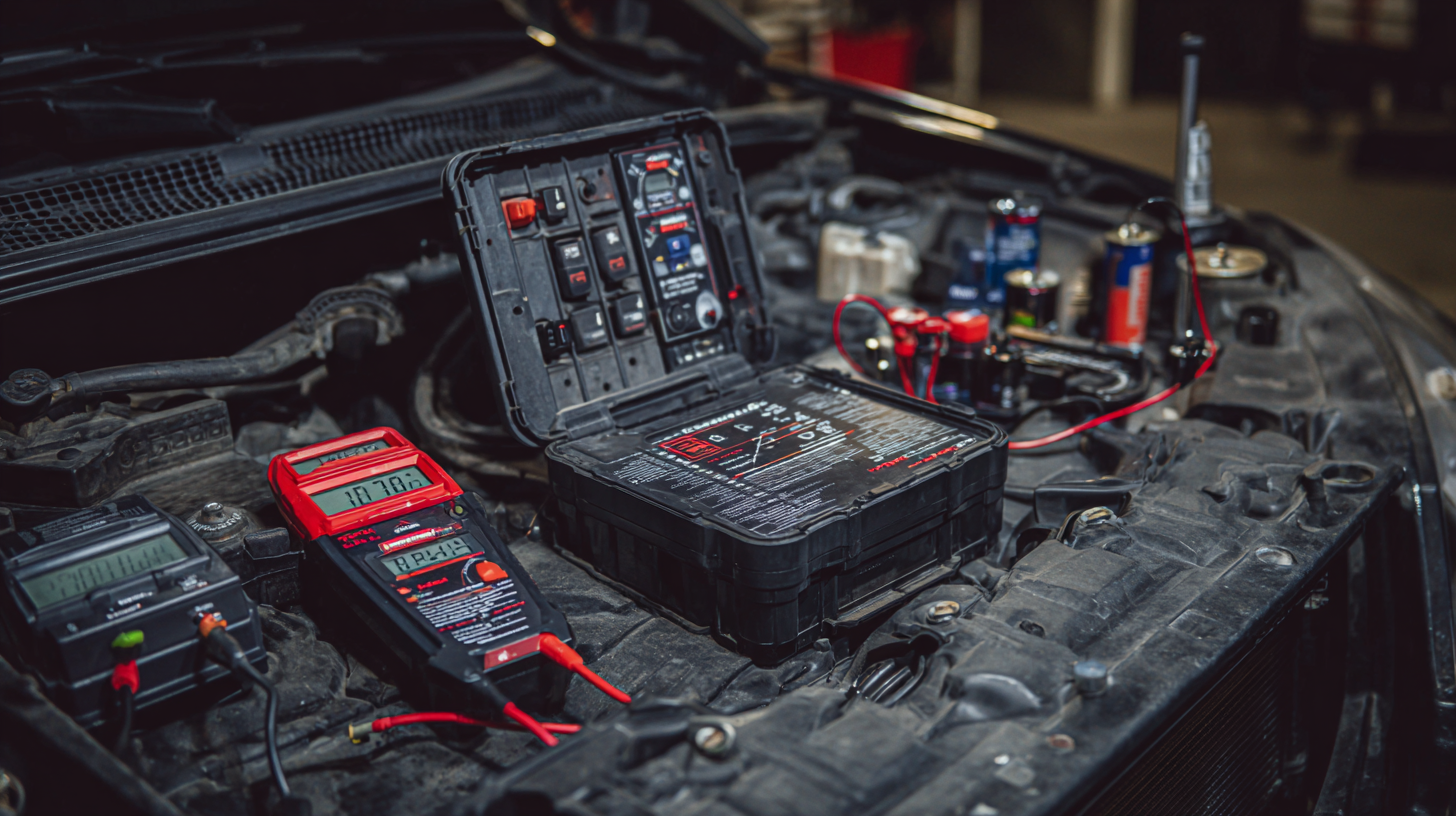
So, when you're in the market for a battery load tester, there are a few important features you really want to keep in mind. First off, check out the load capacity, which is measured in amps. This number tells you how well it's gonna handle different types of batteries. You definitely want something with a solid load capacity because it helps mimic the actual demands your battery faces in the real world. And hey, a built-in digital display can really make things easier. It gives you clear and instant readings, so you can get a good grip on how your battery’s doing.
Another thing to think about is versatility. It’s super handy to pick a model that can test a bunch of battery types—like lead-acid, AGM, and gel cells. That way, you don’t have to juggle multiple tools for different vehicles or devices. Oh, and don’t forget about safety! Features like overload protection and a sturdy design are really important for keeping things safe while you’re testing. When you focus on these points, you’ll find a battery load tester that gives you solid diagnostics and helps keep your power systems running without a hitch.
Understanding Load Testing: Importance for Battery Health and Longevity
You know, load testing is super important when it comes to checking the health and lifespan of batteries. Whether they're powering your car, a UPS system, or even a renewable energy setup, it's crucial. Basically, the idea is to apply a certain load to the battery while keeping an eye on how it performs. This way, you can catch problems like reduced capacity or faulty cells before they turn into bigger headaches. Regularly doing load tests means your batteries stay reliable and work effectively, which is great for extending their lifespan and getting the best performance out of them.
Now, if you’re diving into load testing, there are a few tips you definitely want to keep in mind. First off, always check the manufacturer's specs for the right load and how long to run the test. This is key to getting accurate results and avoiding any accidental damage to the battery. Plus, make sure to do these tests in a well-ventilated area — we definitely don’t want any harmful gases building up during the process. And a little pro tip: keep a log of your results! Tracking performance over time can make it way easier to spot any potential issues before they become serious.
If you're just starting out with load testing, picking the right battery load tester is really important. Make sure you get one that matches your specific battery type and capacity to ensure you get the best results. Also, try to test your batteries under conditions that mimic how they actually operate in real life. It’s a great way to reflect the true working state of your batteries and helps you make smarter decisions about maintenance and when to replace them.
Ultimate Showdown of the Best Battery Load Testers for Accurate Power Diagnostics
| Tester Model | Load Capacity (Amps) | Testing Duration (Seconds) | Display Type | Price (USD) | Weight (lbs) |
| Model A | 100 | 10 | Digital | 49.99 | 1.5 |
| Model B | 200 | 15 | Analog | 69.99 | 2.0 |
| Model C | 300 | 20 | Digital | 89.99 | 2.5 |
| Model D | 150 | 12 | Digital | 59.99 | 1.8 |
Key Performance Metrics: Analyzing Amp Load, Voltage, and Resistance in Battery Testing
When you're picking out a battery load tester, it's super important to keep an eye on some key performance metrics like amp load, voltage, and resistance. These factors really help nail down accurate diagnostics. A report from the Automotive Battery Testing Association (ABTA) back in 2021 pointed out that if your load tester does a good job measuring amp load, it can really show you how healthy your battery is and how much capacity it has, especially in real-life situations. Load testing generally means you apply a set amperage for a certain period while keeping an eye on the voltage drop. This gives you a peek at the battery's current state and how well it can hold a charge.
Now, measuring voltage is absolutely crucial when you're diagnosing battery health. According to the International Electrotechnical Commission (IEC), a fully charged lead-acid battery should ideally show somewhere between 12.6 and 12.8 volts. If you see a significant drop during your load test, that's a sign you might be dealing with sulfation or some capacity loss. On the flip side, checking the resistance, often done with something like the four-wire test, is super helpful too. It gives you more information about the internal resistance that affects how well the battery works and how long it lasts. Industry standards suggest keeping resistance below 5 milliohms for top-notch performance. If it's any higher, you might run into issues like excessive heat and you definitely don’t want that—it’ll mess with the reliability of your power source for sure.
Ultimate Showdown of the Best Battery Load Testers
This chart showcases a comparative analysis of different battery load testers based on three key performance metrics: Amp Load, Voltage, and Resistance. Each tester's performance is gauged to provide insights into their capabilities for accurate power diagnostics.
Comparative Review of Leading Battery Load Testers: Specs and Industry Recommendations
Let's talk about getting the best out of your battery. If you really want to ensure optimal battery performance, having a good battery load tester is totally crucial. I did some digging into the top testers out there, and honestly, there's quite a range to choose from, each with its own specs that can meet all sorts of diagnostic needs. Take the Midtronics MDX-650P, for example. It’s got this super advanced microprocessor-controlled technology that allows it to perform accurate load tests of up to 1,200 CCA. And just so you know, a recent report from the Battery Council International highlights that proper load testing can actually extend your battery's life by as much as 30%. That shows just how important it is to invest in a reliable tester, right?
Now, when you're on the hunt for the right battery load tester, there are a few things to keep in mind. First off, think about the tester’s load capacity and whether it supports the types of batteries you're using. For instance, the Suner Power Battery Load Tester is pretty cool because it doesn’t just handle standard lead-acid batteries; it’s also good for AGM and gel batteries, making it quite versatile for different situations. Plus, I really recommend looking for testers that come with a digital display—those make it way easier to read the results, speeding up diagnostics and cutting down on any chances of human error.
And one more thing—take a look at the warranty and customer service options from the manufacturers. Having a solid warranty and good customer support can really save you a lot of headaches down the road. You know, investing in a tester from a reputable company not only gives you reliable diagnostics but also a little extra peace of mind. It’s worth it!
Common Mistakes to Avoid When Performing Battery Load Tests for Best Results
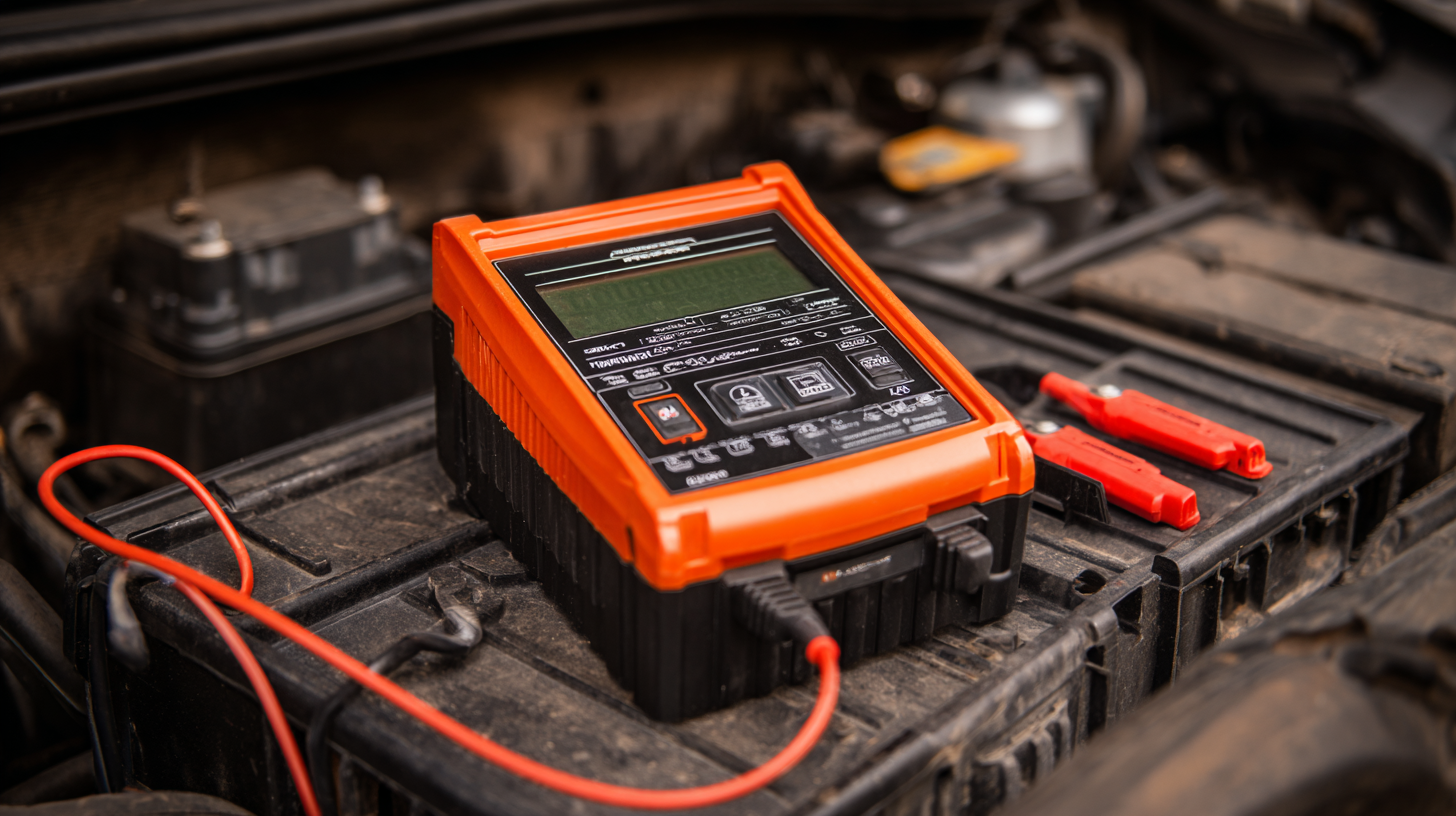
So, if you're diving into battery load tests, keep in mind that dodging some classic mistakes can really boost the accuracy of your results. One big blunder people often make is forgetting to fully charge the battery before testing. Trust me, that can totally throw off your results and make you think the battery’s got more or less juice than it really does. Industry reports suggest that if a battery isn’t fully charged, it might lose up to 30% of its performance data! That just goes to show how important those pre-testing checks are.
Another mistake that’s all too common is using the wrong load tester for the kind of battery you’ve got. Different types of batteries, like AGM and lithium-ion, need specific testing methods. Ignoring the manufacturer’s specs can not only give you some whack results but could even mess up the battery itself. It’s a good idea to check out the manufacturer’s guidelines for the best testing practices.
Here are some tips: First off, always check your connections and cables—make sure they’re nice and clean, and free of any corrosion. That stuff can really mess with the reliability of your load test. Also, keep an eye on the battery’s temperature during the test. Extreme heat or cold can skew your performance readings by about 15%! Bottom line? A well-done battery load test could save you from a major headache and a costly replacement, so paying attention to the little details is super important.
Future Trends in Battery Load Testing Technology: Innovations and Predictions
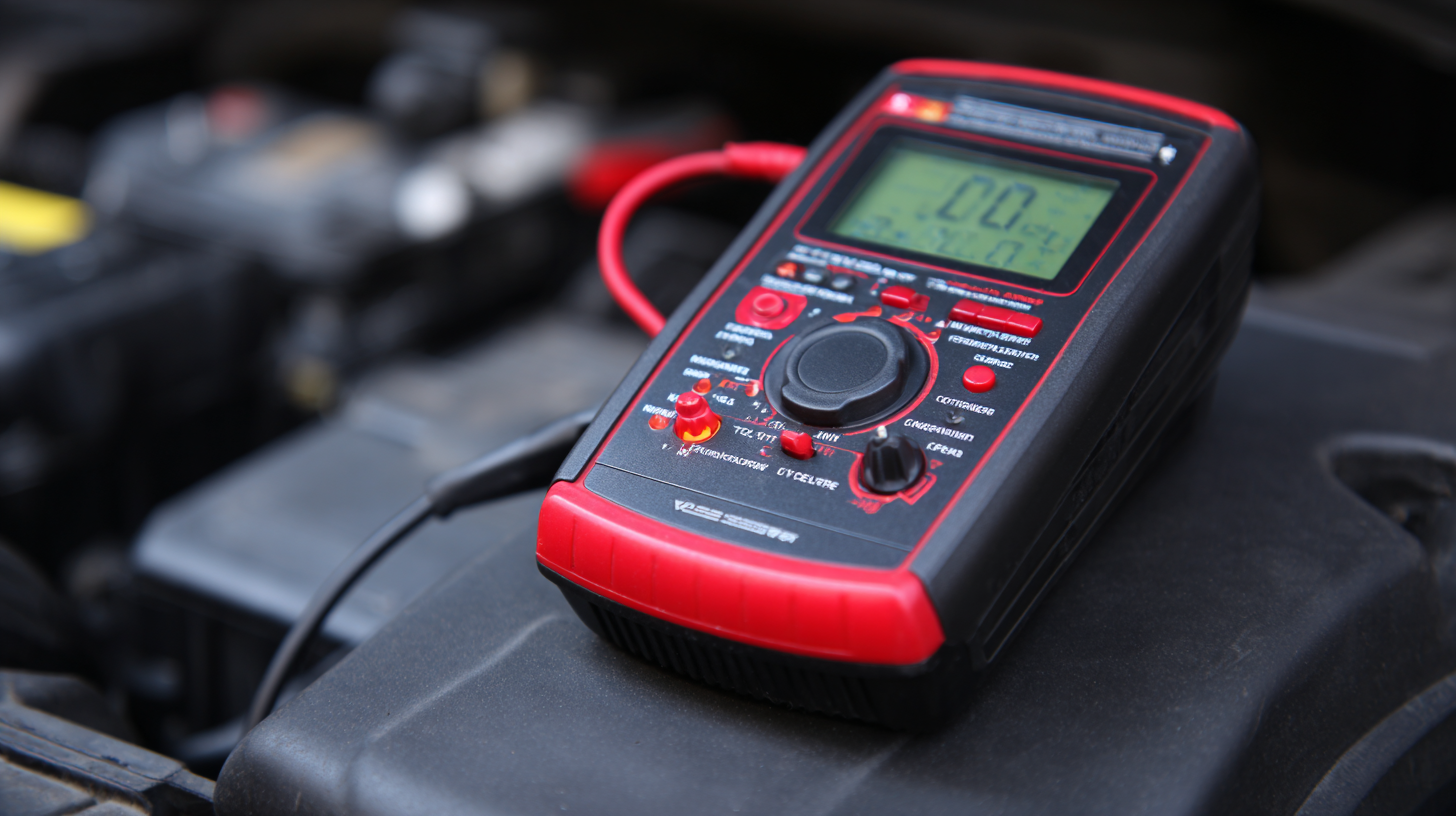
As we see the need for dependable power sources ramping up, the battery load testing industry is really getting ready for some exciting changes. Trends are pointing towards a cool integration of AI and machine learning into battery diagnostics. These technologies could seriously boost the accuracy and efficiency of load testing, helping folks not just to check battery health on the fly but also to get ahead of any potential issues before they hit.
Using smart battery load testers can give you way more info than just basic voltage readings. With some nifty algorithms at play, these devices can dive into performance metrics and whip up detailed reports that let users know how long their batteries will last and what to expect in terms of life cycles. This whole predictive maintenance thing not only saves you time but also helps cut down on those surprise battery replacements that can hit your wallet hard.
**Pro Tips:** When you’re looking to buy a battery load tester, make sure to lean towards models that provide real-time monitoring and solid data analytics. Keeping the software on these bad boys updated is super important for tapping into the latest and greatest features. Oh, and don’t forget to check out testers that work with mobile apps. They make it way easier to manage all your battery health info on the go!
Enhancing Energy Efficiency: Insights from Industry Reports on the 80 Channel Battery Charging and Discharging Test Integrated Cabinet
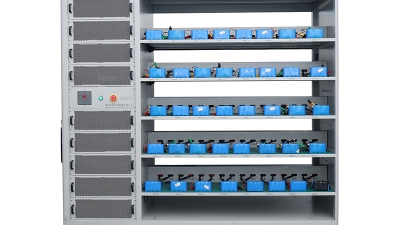
In the realm of energy efficiency, the importance of precise battery performance evaluation cannot be overstated. Our advanced 80-channel battery charging and discharging test integrated cabinet stands at the forefront of this initiative, enabling researchers and manufacturers to conduct detailed assessments of battery capabilities with utmost accuracy. Engineered for precision and reliability, this state-of-the-art testing system ensures that every aspect of battery performance is scrutinized, from performance under various load conditions to charge and discharge rates.
Industry reports highlight the significance of comprehensive testing in enhancing energy efficiency, emphasizing how multi-channel systems can accelerate development cycles and improve product reliability. By utilizing our 80-channel system, organizations can optimize battery designs based on real-time data analysis, leading to more efficient energy storage solutions. This integrated approach not only enhances the understanding of battery dynamics but also contributes to creating sustainable energy systems that meet the demands of an evolving market.
Equipped with cutting-edge technology, our testing cabinet provides unparalleled insights into battery performance, fostering innovation in energy-efficient designs. As industries strive to reduce their carbon footprint and improve energy utilization, the role of advanced testing systems becomes ever more critical, paving the way for groundbreaking advancements in battery technology.
FAQS
: Load testing assesses the health and longevity of batteries by applying a specific load while measuring performance. It helps identify issues like diminished capacity or faulty cells, ensuring reliability and extending lifespan.
Always refer to manufacturer specifications for appropriate load and test duration, perform tests in well-ventilated areas to avoid harmful gas buildup, and maintain a log of results to track performance trends.
Select a tester that matches your battery type and capacity. Ensure it can handle similar operating conditions to provide accurate results and consider features like a digital display for easier diagnostics.
Regular load testing can extend battery life by up to 30% by identifying issues early, allowing for timely maintenance and preventing unexpected failures.
The integration of artificial intelligence and machine learning is anticipated, improving accuracy, efficiency, and enabling real-time monitoring and predictive maintenance of battery health.
A robust warranty and excellent customer support can save time and hassle in case of issues, providing peace of mind and ensuring long-term reliability of the tester.
Yes, some testers, like the Suner Power Battery Load Tester, support various battery types including lead-acid, AGM, and gel batteries, making them versatile for different applications.
Smart testers use advanced algorithms to provide detailed performance metrics and generate comprehensive reports, informing users about battery longevity and predicting potential failures.
Look for models that offer real-time monitoring, data analytics capabilities, and compatibility with mobile applications for easier management of battery health data.
Keeping a log of results is crucial for tracking performance trends over time and spotting potential issues before they escalate into serious problems.

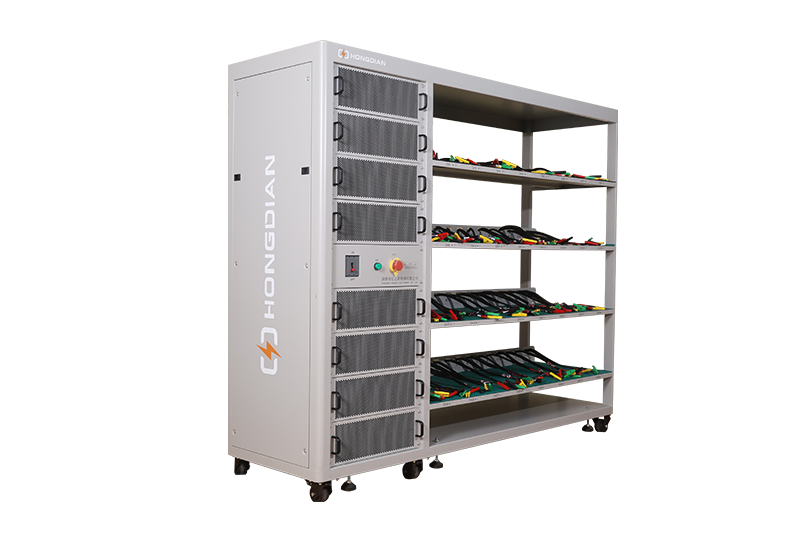 32/48 channel battery charging and discharging test integrated battery cabinet
 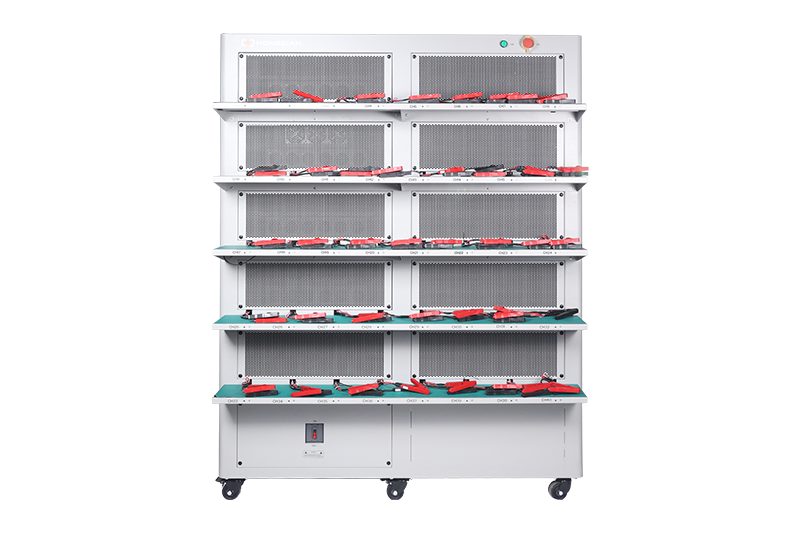 40 channel battery charging and discharging test integrated battery cabinet
  64 channel battery charging and discharging test integrated battery cabinet
 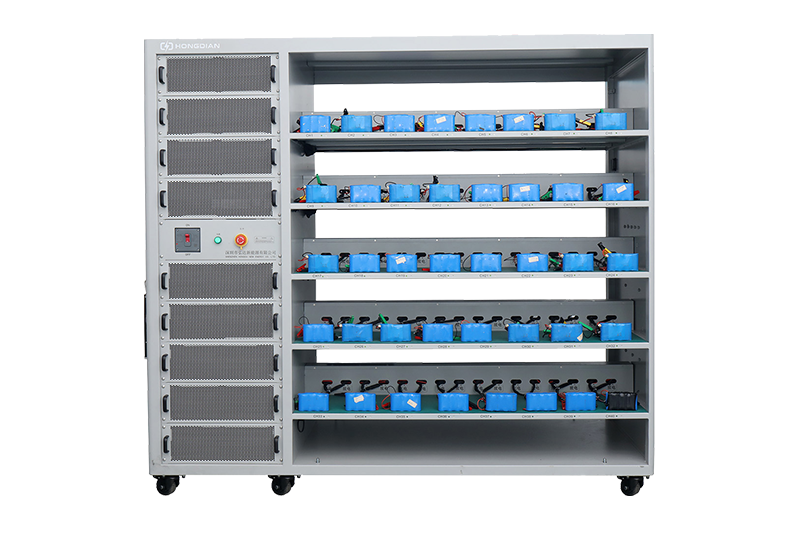 80 channel battery charging and discharging test integrated battery cabinet
 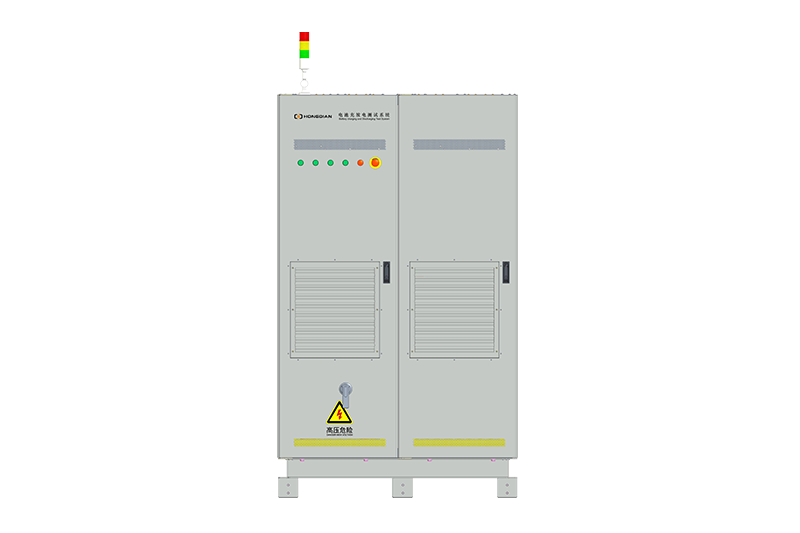 1000V-1500V High Voltage High Current Battery Testing System
 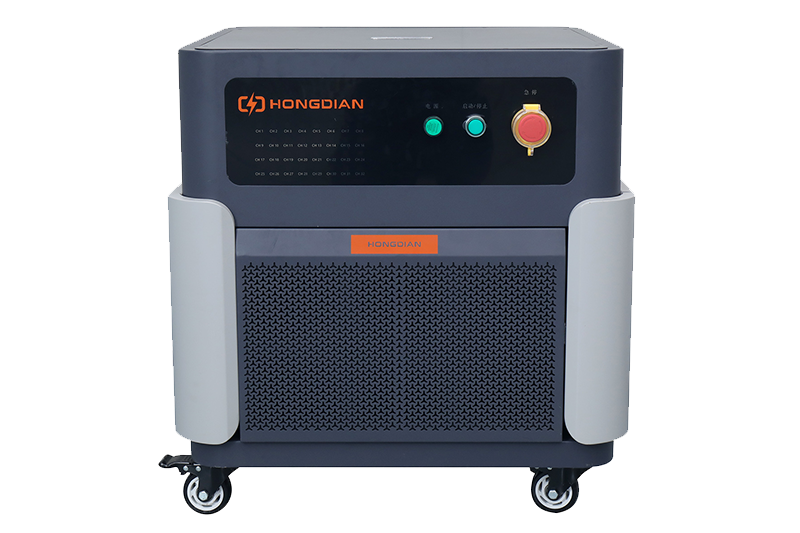 High-Precision Battery Testing System for Enhanced Performance Monitoring 30V/60V/100V/120V
 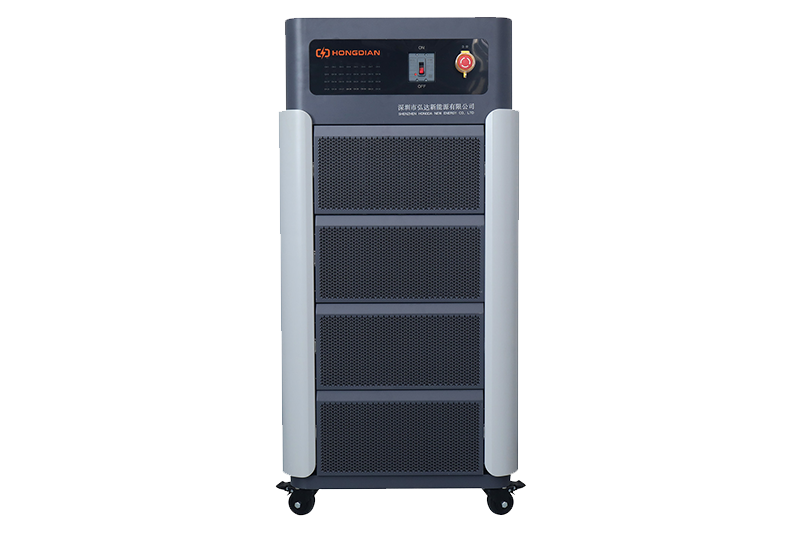 High-Precision Battery Charge Discharge Test Systems for EV Manufacturers
 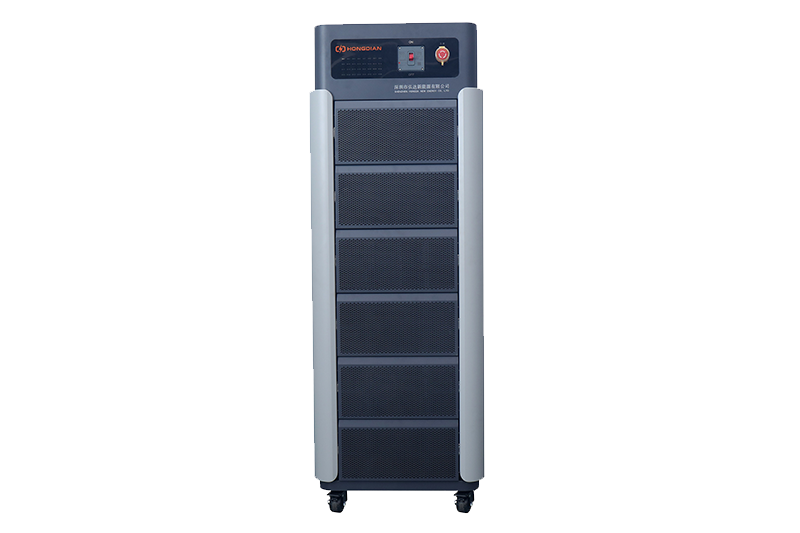 Precision Battery Test Racks for Cell Capacity & Internal Resistance Measurement
 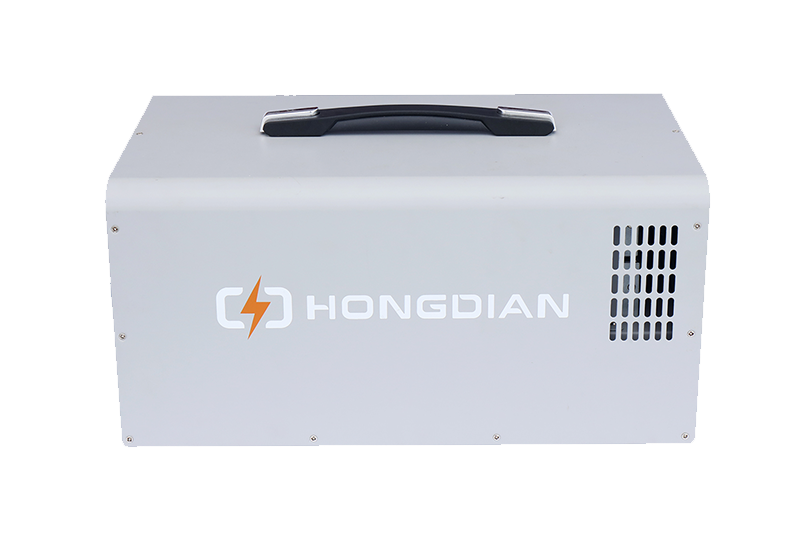 Multi-Channel Battery Testing Equipment for Parallel Performance Analysis