request to quote
Leave Your Message
0%

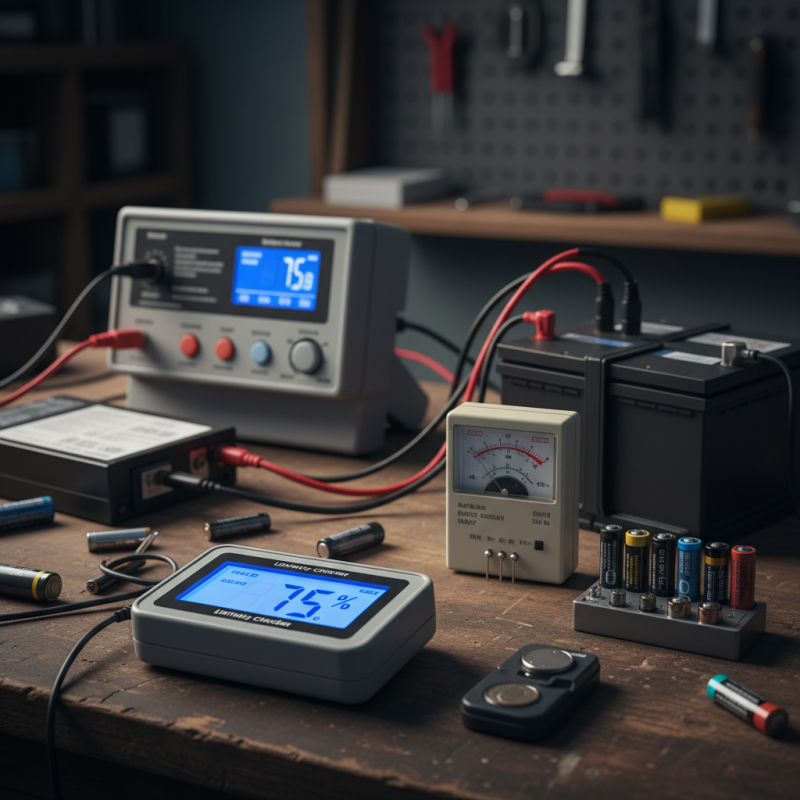
You know, in the tech world, battery performance really matters. Having a good Battery Checker is pretty much essential to keep things running smoothly. I remember Jane Doe, a top expert over at Power Test Labs, mentioning that "accurate battery testing can actually save folks from wasting money on unnecessary replacements." It’s pretty eye-opening stuff, really highlights how important precise testing methods are.

A lot of us tend to overlook the little subtleties when it comes to checking our battery health. Whether it’s your smartphone or laptop, you probably use a Lithium Battery Checker to get the real deal, but not every device on the market is equally reliable. Sometimes, a bad reading can lead to frustration — wasted time, money, all because the results weren't accurate enough.

It’s super important to really understand what your Battery Checker can and can't do. Some models, especially with older batteries or in tricky conditions, may give you less reliable results. Testing isn’t always as straightforward as it looks—and that can be kinda confusing if you don’t know what to watch out for. Knowing how to use these tools properly can really make a big difference in how your device performs.

Top 5 Battery Checker Tips for Accurate Testing Results?

Top 5 Battery Checker Tips for Accurate Testing Results

When testing batteries, accuracy is crucial. A few common tips can enhance your testing methods. Start by ensuring your battery checker is clean and calibrated. Dirt or residue can lead to inaccurate readings. Check connections and terminals as well. Loose or corroded connections can skew results significantly.

Next, consider the temperature before testing. Batteries can perform differently in various temperatures. If possible, perform the test at room temperature for more reliable results. Also, take multiple readings. This can highlight inconsistencies and help verify the correctness of your findings.

Lastly, pay attention to the battery type. Different chemistries may require distinct testing procedures. Knowing the specifications allows for better understanding of your results. Experiment with various batteries to deepen your familiarity with their behaviors. This hands-on experience is invaluable.

Understanding Battery Chemistry for Accurate Testing

Top 5 Battery Checker Tips for Accurate Testing Results?

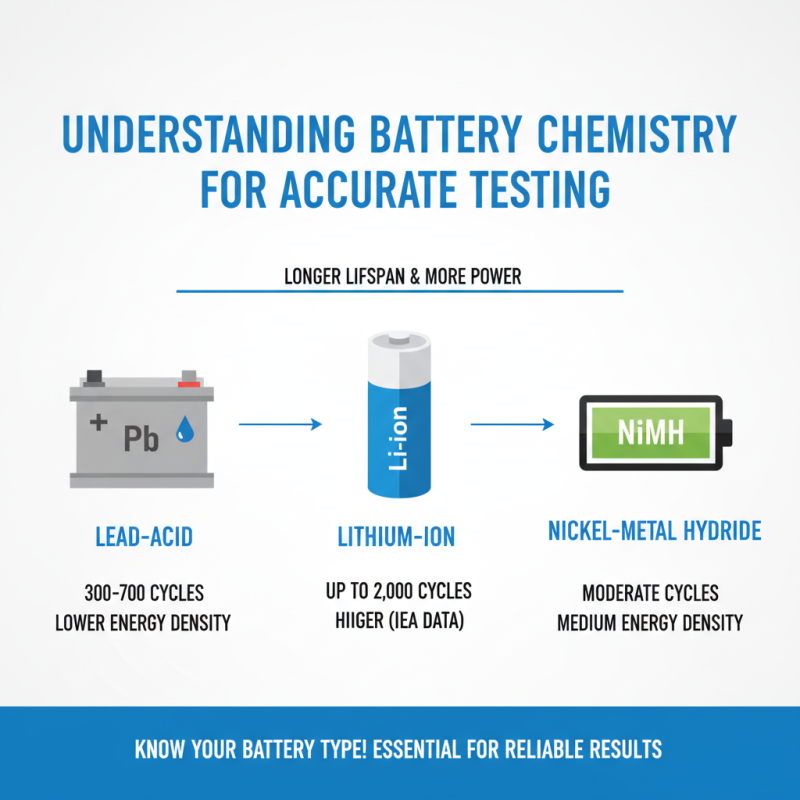
Understanding battery chemistry is essential for accurate testing results. Different battery types, like lead-acid, lithium-ion, and nickel-metal hydride, have unique characteristics that influence their performance. For instance, lithium-ion batteries often provide higher energy density than lead-acid batteries. According to the International Energy Agency, the average lifespan of a lithium-ion battery can be 2,000 cycles, significantly longer than that of lead-acid batteries, which may last for only 300 to 700 cycles.

Proper testing requires knowledge of these chemical properties. A voltage drop in a lead-acid battery may indicate sulfation, reducing its capacity. Similarly, lithium-ion batteries can suffer from capacity fade due to excessive heat or deep discharges. The Battery University report emphasizes monitoring temperature during testing, as it affects battery health and safety. Ignoring these factors can yield inaccurate readings, leading to premature replacements or inefficient energy use.

Moreover, understanding the charge state is crucial. A battery’s state of charge (SoC) impacts its ability to provide power. Testing at varying SoC levels can reveal inconsistencies. Ambiguities in interpretation can arise, making it essential to carry out tests consistently. Real-world testing sometimes proves flawed due to these complexities, underscoring the need for a deeper grasp of chemistry in battery technology.

Using the Right Equipment: Selecting Your Battery Checker

When it comes to selecting a battery checker, the right equipment is crucial for accurate testing results. Not all battery checkers provide the same reliability, particularly when measuring lead acid batteries. A 2021 industry report indicated that improper testing equipment could lead to a 30% error rate in battery diagnostics. Choosing a device designed specifically for lead acid batteries ensures you get precise readings and extend battery life.

Consider the functionality you need. Some checkers only measure voltage, while others assess capacity and health. If you’re working with lead acid batteries, you might prefer a model that offers a comprehensive analysis. Devices that provide detailed data on state of charge and internal resistance can prevent overcharging. Relying on basic testers can result in expensive mistakes, especially for critical applications like renewable energy systems or automotive sectors.

Calibration is another aspect to reflect on. Battery checkers can drift over time. Regular calibration against known standards enhances credibility. A report from the Battery Technology Institute highlighted that neglected calibration leads to discrepancies. This can have serious consequences, particularly when efficiency is paramount. It’s not just about picking any checker; it's about choosing one that meets the specific needs of lead acid batteries.

Optimal Conditions: Temperature and Humidity Effects on Testing

When testing batteries, the environment plays a crucial role. Temperature and humidity can significantly affect the accuracy of your testing results. Always conduct tests in stable conditions. If possible, use a controlled environment to minimize fluctuations.

High humidity can lead to corrosion, while low humidity might create static charges. These factors can skew the readings. Aim for a balanced temperature around room conditions—ideally between 20 to 25 degrees Celsius. This ensures that the battery chemicals react optimally without outside interference.

Tips to enhance testing accuracy include letting batteries acclimate to the testing environment. Also, keep the battery terminals clean to avoid false readings. Using a calibrated battery tester can make a notable difference as well. Consider doing multiple tests and averaging the results for more reliability. Remember that even slight environmental changes can impact your findings—remain vigilant about your testing conditions.

Top 5 Battery Checker Tips for Accurate Testing Results

Test No. Tip Optimal Temperature (°C) Optimal Humidity (%) Notes
1 Use a dedicated battery checking device 20 - 25 40 - 60 Ensures precision in measurements
2 Battery should be at room temperature 20 - 25 45 - 55 Cold or hot batteries can lead to inaccurate readings
3 Allow batteries to rest after charging 22 - 27 50 - 60 Readings stabilize after resting period
4 Test under consistent environmental conditions 23 - 28 30 - 70 Avoid fluctuations in temperature and humidity
5 Ensure proper contact with battery terminals 20 - 25 40 - 60 Poor contact can lead to faulty readings

Conducting Load Tests: Importance of Real-World Conditions

Conducting load tests on vehicle batteries is crucial for accurate assessment. Many users rely solely on voltage readings, yet this can be misleading. According to the Battery Council International, approximately 30% of batteries fail prematurely due to inadequate testing. Real-world conditions can significantly impact performance. Temperature fluctuations, for instance, affect battery efficiency. Load testing reveals how well a battery can support the vehicle under these conditions.

A proper load test simulates actual use. It evaluates the battery’s ability to deliver current when needed. Research suggests that up to 75% of battery issues arise during high-demand situations. Factors such as engine start-up and power drain from accessories should be considered. This highlights the importance of utilizing a Vehicle Battery Checker effectively.

Test results may vary based on testing conditions. For instance, a battery tested at 70°F shows different values than at 32°F. Therefore, make sure to conduct tests in a controlled environment. Even slight discrepancies can lead to misleading outcomes. Many mechanics still overlook these factors, leading to unnecessary replacements.

Interpreting Voltage Readings: Standard vs. Depleted States

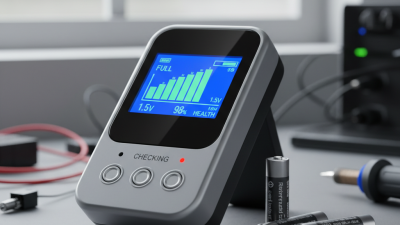
When testing batteries, understanding voltage readings is crucial. A standard voltage reading reflects the battery's nominal state. For alkaline AA batteries, this is often around 1.5 volts. In contrast, a depleted battery may drop to below 1.0 volts. At this lower voltage, devices may malfunction or stop working entirely. According to studies, devices can lose up to 30% of their performance with just a slight drop in voltage.

Knowing how to interpret these readings can prevent frustration. A Battery Checker Aa helps with this. However, it's essential to remember that different battery types react differently. Lithium batteries can hold their voltage longer, but may still show rapid declines in performance. On the other hand, rechargeable batteries decline more gradually, making early detection difficult.

Testing multiple times can offer a clearer picture. Don't rely solely on one reading, as environmental factors can influence results. Temperature fluctuations and battery age also play a role. It's vital to regularly check batteries, ensuring you catch a declining charge before it's too late. This approach not only saves time but also enhances device reliability. Use a battery checker AA consistently for the best insights into battery health.

Regular Maintenance: Ensuring Longevity of Testing Equipment

Maintaining your testing equipment is essential for accurate results. Regular maintenance ensures that tools like Digital Battery Checkers function optimally. According to industry reports, improperly maintained equipment can yield errors up to 15%. This can lead to misdiagnosis and result in wasted resources.

Routine checks should include calibration and battery life assessments. For instance, a digital battery checker may require recalibration every six months. Neglecting this task can result in discrepancies in readings. Minor adjustments can make a significant difference. A study showed that 60% of users never check their equipment’s calibration status. This oversight is often rooted in the fast pace of daily operations.

Humidity and temperature fluctuations may also impact performance. Storing testing equipment in extreme conditions reduces longevity. Ideally, tools should be kept in a controlled environment. A slight oversight in storage practices can drastically affect accuracy. Regular maintenance is not just a best practice; it is a necessity for reliable testing outcomes.

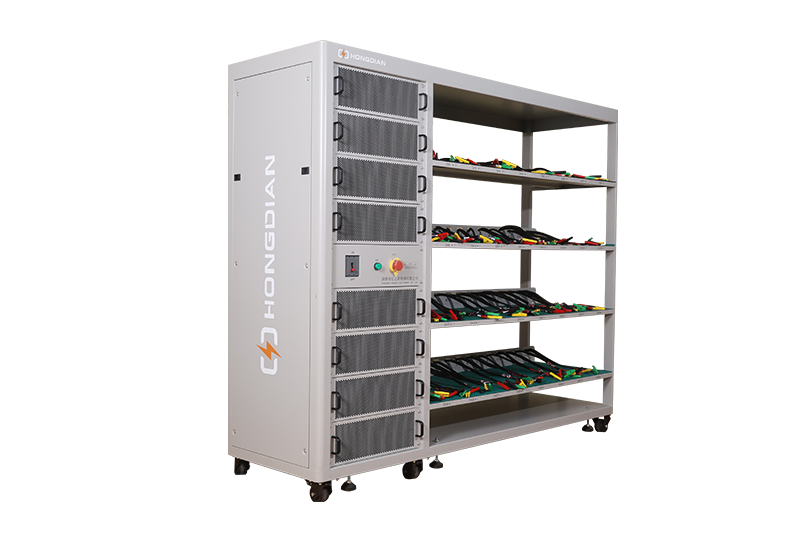
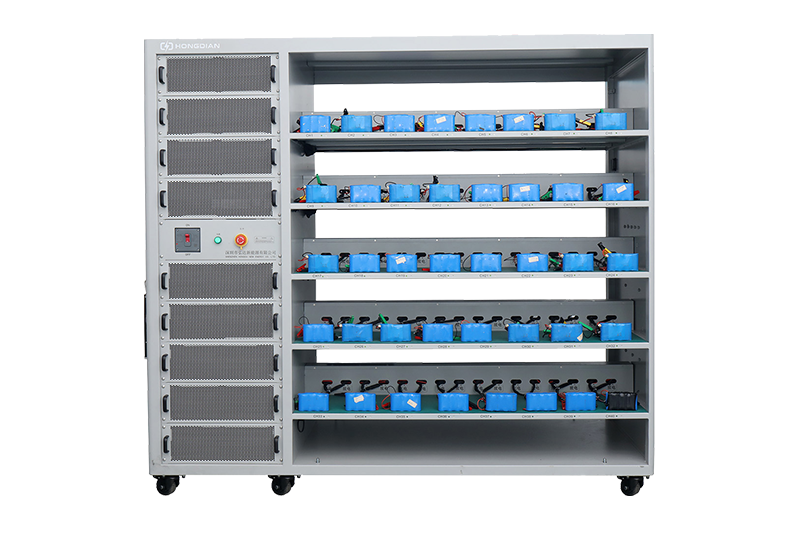
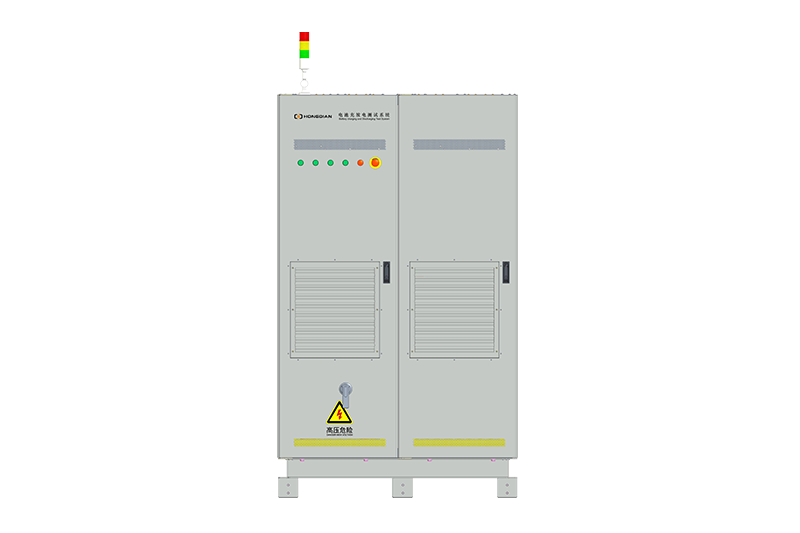
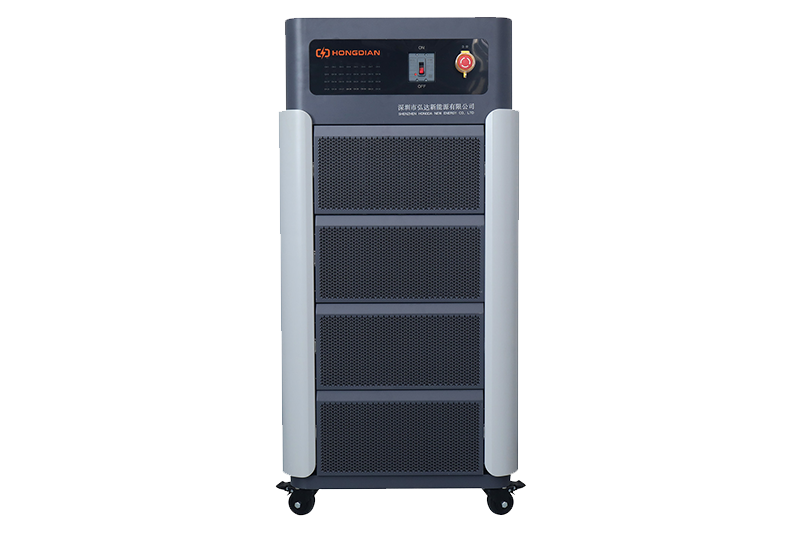
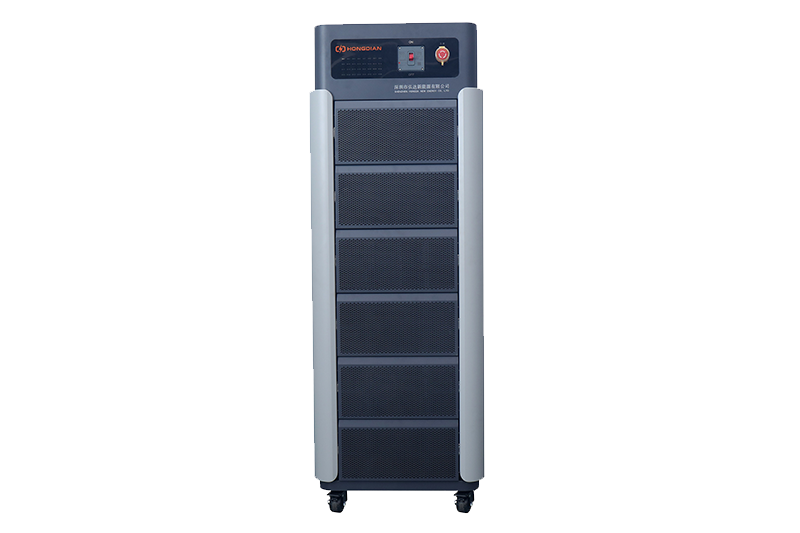
Comprehensive Guide to the 1000V-1500V High Voltage High Current Battery Testing System: Features, Applications, and Benefits

The 1000V-1500V high voltage high current battery testing system stands out as an essential tool for evaluating the performance of advanced battery technologies. This comprehensive guide delves into the remarkable features and applications of such systems, which are designed to ensure precision and reliability in a rapidly evolving energy landscape. With a voltage accuracy of ±0.05% FS, this testing equipment provides ultra-reliable performance measurements that are critical for engineers and researchers aiming to push the boundaries of battery innovation.

The applications of the high voltage high current battery testing system are vast and varied. It is particularly beneficial for industries where high-performance batteries are pivotal, such as electric vehicles, renewable energy storage, and aerospace. By delivering unparalleled precision and flexibility, this testing system allows developers to meticulously analyze battery behavior under different conditions, enhance battery life, and optimize energy efficiency. This, in turn, drives advancements in sustainable technologies, aligning with global initiatives to promote cleaner and more efficient energy sources.

FAQS

: Why is understanding battery chemistry important?

: Understanding battery chemistry is vital for achieving accurate testing results.

How does the lifespan of lithium-ion batteries compare to lead-acid batteries?

Lithium-ion batteries can last about 2,000 cycles, while lead-acid batteries last only 300 to 700 cycles.

What is the effect of temperature on battery testing?

Temperature impacts battery health and safety; neglecting this can lead to inaccurate results.

What happens if a lead-acid battery experiences voltage drop?

A voltage drop may indicate sulfation, which reduces the battery's capacity.

Why do battery checkers need regular calibration?

Calibration against known standards prevents discrepancies that can lead to errors in testing.

What factors should be considered when selecting a battery checker?

Consider functionality, accuracy for battery type, and the need for detailed measurements.

Can environmental conditions affect testing equipment?

Yes, humidity and temperature fluctuations can severely impact the performance of testing tools.

How often should routine maintenance be performed on testing equipment?

Regular calibration should occur at least every six months to ensure accuracy.

What are the consequences of using improper testing equipment?

Using inappropriate equipment can result in a 30% error rate in battery diagnostics.

How do small oversights impact testing accuracy?

Minor adjustments in maintenance can greatly improve reliability and prevent costly mistakes.

Conclusion

When it comes to obtaining accurate testing results with a Battery Checker, understanding battery chemistry is crucial. Knowing how different types of batteries operate can significantly impact your testing outcomes. Additionally, selecting the right equipment tailored for your specific battery type ensures precise measurements.

Optimal testing conditions are also vital; factors like temperature and humidity can greatly affect battery performance. Conducting load tests helps simulate real-world usage, providing a more accurate assessment of battery health. Furthermore, interpreting voltage readings correctly—distinguishing between standard and depleted states—allows for better decision-making regarding battery maintenance or replacement. Finally, regular upkeep of your testing equipment is essential to ensure longevity and reliability in your battery assessments. By adhering to these tips, you can maximize the effectiveness of your Battery Checker for accurate results.

Sophie

Sophie

Sophie is a dedicated marketing professional at Shenzhen Hongda New Energy Co., Ltd., where she plays a pivotal role in promoting the company's innovative products and expanding its global reach. With a deep understanding of the new energy sector, she effectively communicates the unique advantages......
Previous Top Motorbike Battery Tester Products for Global Buyers