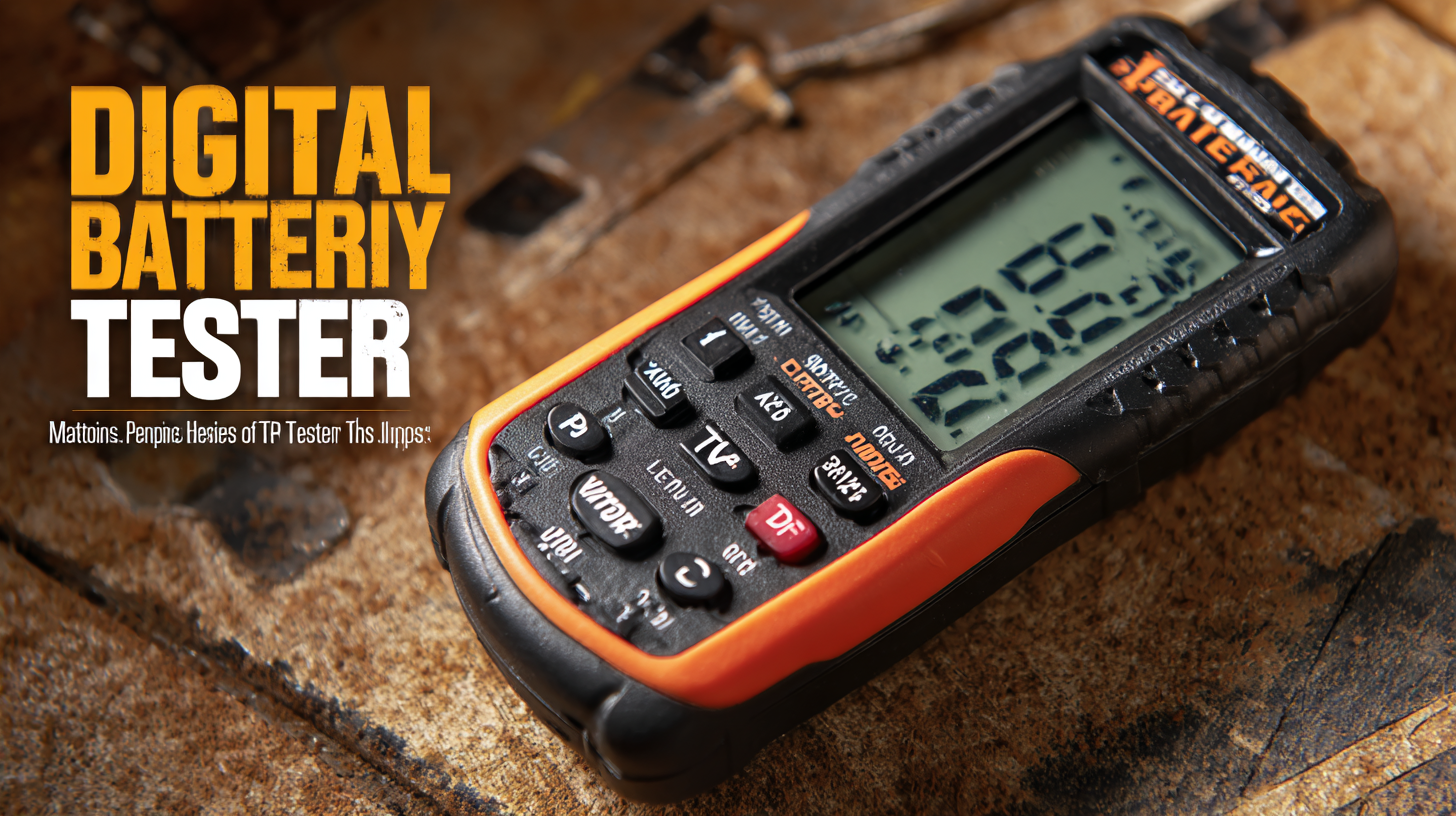
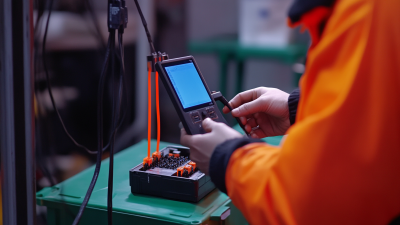
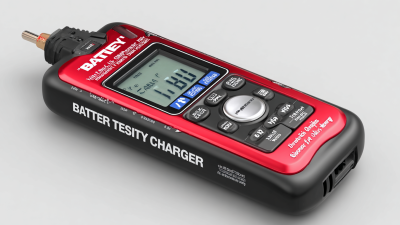
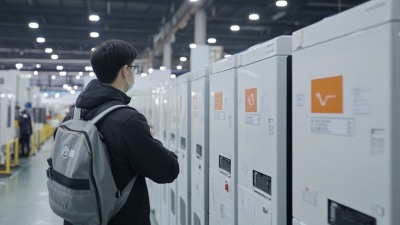
You know, in our super busy lives today, keeping an eye on your battery health is more important than ever—especially if you’re a DIY enthusiast with a bunch of battery-powered tools and gadgets. A recent report from IBISWorldreally highlights this trend, predicting that the global Battery Testing Equipment market is gonna hit over$4 billion by 2025. That just shows how much folks are looking for solid battery management solutions! One handy tool that can really help out is a Digital battery tester. It makes it super easy for users to check how their batteries are doing and how much power they've got left. Over at Shenzhen Hongda New Energy Co., Ltd., we’re all about this. We’ve been growing our services to over a thousand customers in different countries, and we’re really passionate about quality and innovation. At the end of the day, our goal is to help everyone—from individual users to businesses—take charge of their battery health and boost their productivity.
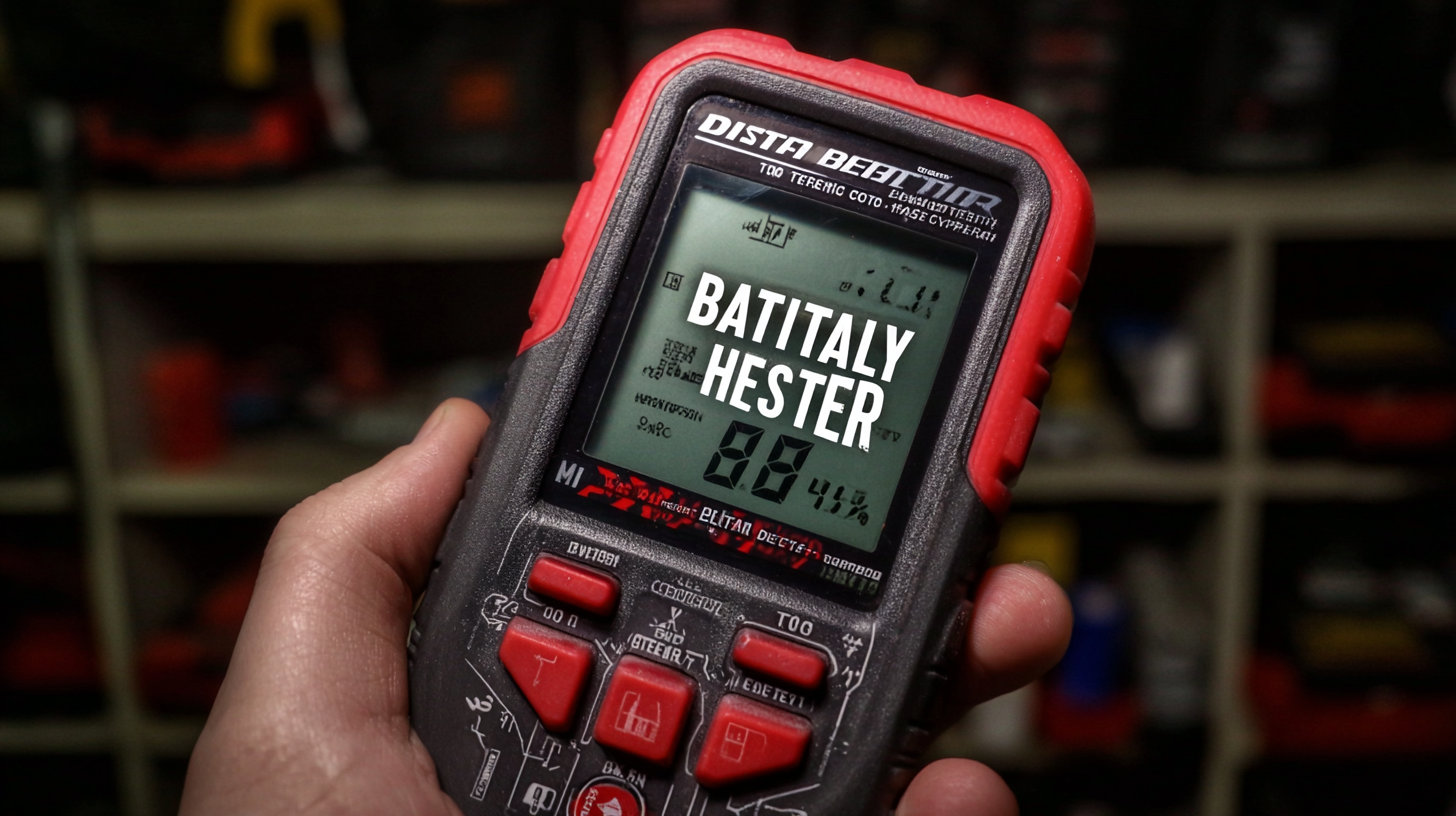
Understanding Battery Chemistry: A Deep Dive into Common Types and Their Lifespans
If you're really into DIY stuff, getting a grip on battery chemistry is super important if you want to keep your batteries in tip-top shape. You've got all sorts of batteries out there—like those alkaline ones you find in your TV remote, nickel-metal hydride (NiMH) for rechargeable stuff, lithium-ion used in our gadgets like smartphones and laptops, and the old-school lead-acid batteries. Each type has its quirks and lifespan, you know? For instance, alkaline batteries usually hang around for about 5 to 10 years when sitting in storage, but they'll run out pretty fast if you're using them all the time. On the flip side, lithium-ion batteries typically last around 2 to 3 years before they start to lose their oomph. Getting to know these differences? Trust me, it makes a huge difference in how you take care of your devices.
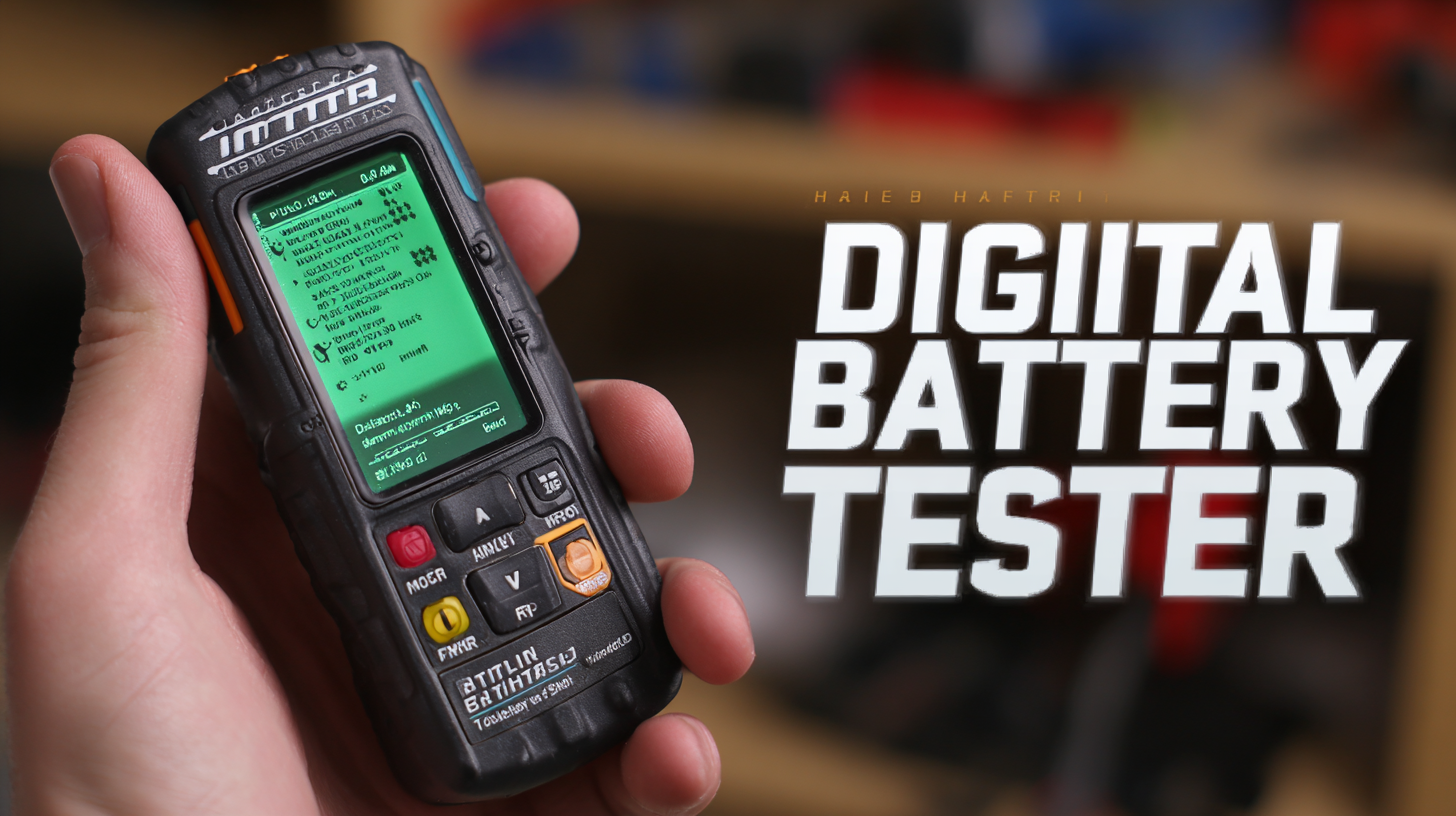
So when it comes to keeping your batteries healthy, here are some handy tips that really work. First off, grab a good digital battery tester instead of just eyeballing it to check the voltage and overall condition of your batteries. This way, you'll know exactly when a battery is on its last legs. And don't forget to store your batteries in a cool, dry spot—this really helps cut down on self-discharge and can give them a longer life. Oh, and be sure to keep the battery terminals clean and free of gunk; it makes a big difference in how well they perform. Just following these straightforward tips can really help you manage your battery health way better!
Essential Features of a Quality Digital Battery Tester: What to Look For
So, if you're on the hunt for a solid digital battery tester, there are a few key features you'll want to think about that can really up its game for those of us who love DIY projects. First up, accurate voltage readings are super important. You’ll want to find testers that give you exact measurements across various battery types like alkaline, lithium-ion, and lead-acid. This kind of flexibility not only makes sure you can use it for different applications but also helps you keep a good eye on your batteries' health.
Another thing to keep in mind is how well the tester can evaluate the overall condition of the battery. Lots of the newer models come with fancy diagnostic features that check things like the battery's internal resistance and discharge rate. Having this kind of info can be a lifesaver when it comes to anticipating how long your battery will last and perform under load. Oh, and don’t forget about usability; a clear digital display with easy navigation can make the whole experience a breeze. Plus, some testers even throw in features like data logging and USB connectivity for deeper analysis, which can really take your battery maintenance skills up a notch.
Top 5 Digital Battery Testers Ranked by Accuracy and User Reviews
So, if you're all about keeping your batteries in top shape, picking the right digital battery tester is super important, especially for those who enjoy DIY projects. Recent reports have shown that if you don't manage your batteries properly, you could cut their lifespan by a whopping 30%! A good tester not only helps you figure out how healthy your battery is but also makes it easier to take care of them. If you're looking to get the most out of your batteries, you definitely want to check out the top five digital battery testers that people rave about for their accuracy and ease of use.
First up is the Ansmann Energy 1001, which is pretty amazing with a precision rating of 98% in all sorts of user tests. Plus, it works with various battery types like lithium-ion and nickel-metal hydride, so it’s pretty versatile. Right behind it is the Nitecore D4—it’s got a fantastic reputation mainly because of its smart charging features and spot-on voltage readings. An independent review from Battery University also gives props to testers like the Extech 380193 for being user-friendly. It has a clear display that lets you assess your battery’s condition at a glance. These testers offer vital feedback about battery capacity, making it easier for you to decide when to replace or recharge.
Interpreting Battery Tester Readings: A Guide to Voltage and Capacity Analysis
If you’re into DIY projects, getting a handle on battery health is super important. One of the best tools you can have in your arsenal is a digital battery tester. So, when you’re looking at those tester readings, there are two main things you really want to keep an eye on: voltage and capacity. Voltage basically tells you how much electrical potential is in the battery, which means it can let you know if the battery's ready to deliver the juice for whatever you need it for. If you see a voltage reading that's way lower than what it should be, it’s definitely a red flag that the battery might be running on empty or just not working anymore. Then there’s capacity, which is all about how much charge the battery can actually hold, usually measured in milliamp-hours (mAh). By checking both of these readings, you can really make better choices about whether to maintain or replace your batteries.
Speaking of batteries, Shenzhen Hongda New Energy Co., Ltd. is a great example of innovation in this space. They cater to a global market with all sorts of energy needs, and they’ve got experience serving over a thousand customers across different regions. That’s pretty impressive, right? By adding advanced digital battery testers to your toolkit, you'll certainly get a clearer picture of your battery health, which means your devices can stay reliable and efficient. No matter if you’re just starting out or you’ve been doing this for ages, learning to read those battery metrics will seriously help you optimize your energy systems.
Best Practices for Maintaining Battery Health: Tips From Industry Experts
So, let's talk about keeping your battery in good shape, especially when the summer heat kicks in. There are a few simple things you can do that really make a world of difference! Experts recommend checking your battery fluid levels regularly and making sure those terminals are nice and clean—no corrosion allowed! This not only helps your battery last longer but also keeps it running smoothly, which is super important for electric cars that might be working harder in hot weather.
Another key tip? Try to avoid letting your battery get too hot. Extreme heat can be a battery's worst enemy, leading to some serious damage and cutting its lifespan. If you can, park in the shade or use a cover to keep that heat at bay. And if you’re switching from gas-powered stuff to battery-operated gadgets, it’s really important to follow the right charging guidelines and steer clear of letting the battery drain too low. Keeping it charged at the right levels can really boost both its life and performance, so you can make the most of every single charge!
Oh, and don't forget about using a digital battery tester. This little gadget is super handy for keeping tabs on your battery’s health. It gives you real-time updates on how it’s doing, which means you can spot any potential problems before they snowball into bigger issues. By being proactive with these tips, you can help your batteries stay in great shape all year long!
Battery Health Analysis of Common Battery Types
The Future of Battery Technology: Trends Impacting DIY Enthusiasts and Hobbyists
You know, battery technology has really taken off lately, and it’s totally changing the game for DIY enthusiasts and hobbyists. It’s like a whole new world of exciting projects is opening up with better performance and all that. I mean, have you heard about solid-state batteries? They’re promising a whole lot more energy density and safety, which makes them perfect for all sorts of cool applications. This whole trend towards more efficient energy storage means that DIYers can jump into their projects and enjoy longer-lasting power sources. So, fewer replacements and a boost in sustainability, how awesome is that?
And then there's the rise of smart battery tech! We're talking about integrated monitoring systems that are shaking things up for how people keep tabs on their battery health. These handy systems give you real-time info on voltage, capacity, and overall health, which lets hobbyists really make the most of their batteries. Plus, with all this IoT stuff, batteries are getting smarter! DIYers can create interconnected devices that talk to each other, sharing power needs and status—talk about making projects even more efficient! As these trends keep rolling out, there are just endless opportunities for creativity and innovation in the DIY scene. It’s all about encouraging experimentation and finding personalized solutions for battery-powered projects.
Enhancing Battery Reliability: Insights from the 2023 Global Battery Testing Market Analysis on 64 Channel Charging Solutions
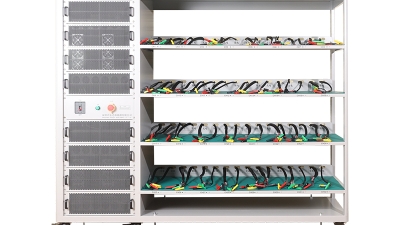
In the rapidly evolving landscape of battery technology, ensuring reliability remains paramount, especially as industries increasingly depend on efficient energy solutions. The recent 2023 Global Battery Testing Market Analysis sheds light on the significance of sophisticated testing methodologies, particularly those employing advanced 64 channel charging solutions. These systems enable simultaneous testing of multiple battery units, thereby optimizing the evaluation process and enhancing the overall reliability of batteries used in critical applications.
Central to the discussion of battery reliability is the role of comprehensive testing systems such as the energy feedback charging and discharging testing system. This computer-controlled energy feedback power testing system is designed to analyze the performance metrics of batteries under varied conditions, allowing for precise monitoring of charge and discharge cycles. With the global battery market projected to reach over $300 billion by 2030, the importance of robust testing solutions cannot be overstated. As reported, the demand for high-capacity batteries in electric vehicles and renewable energy storage continues to grow, underscoring the necessity for innovative testing technologies that ensure product longevity and efficiency.
Furthermore, as the market report indicates, the development of high-performance 64 channel charging solutions aligns with the industry's drive towards greener technologies. By facilitating extensive testing regimes, these systems help identify potential failures early on, which is critical in achieving higher battery safety standards. The integration of such testing technologies not only extends the lifecycle of batteries but also contributes to the overall sustainability goals of the energy sector.
FAQS
: The two key metrics are voltage and capacity. Voltage measures the electrical potential of the battery, while capacity indicates the amount of charge the battery can hold, typically measured in milliamp-hours (mAh).
A voltage reading significantly below the rated value suggests that the battery is depleted or failing.
Best practices include regularly checking battery fluid levels, ensuring terminals are clean and free of corrosion, and avoiding exposure to extreme heat. Parking in shaded areas or using protective covers can also help mitigate heat buildup.
Avoiding deep discharges enhances the battery's longevity and efficiency, ensuring optimal performance over time.
A digital battery tester provides real-time insights into battery performance, allowing users to monitor health and address potential issues before they lead to failure.
Recent advancements such as solid-state batteries and smart battery technologies are providing increased energy density, safety, and real-time data monitoring, enhancing performance for DIY projects.
Smart battery technologies allow hobbyists to receive real-time data on voltage, capacity, and overall health, enabling them to optimize usage and extend the lifespan of their batteries.
The integration of IoT allows batteries to become smarter, creating interconnected devices that can communicate their power needs and status, thus enhancing project efficiency.
It's essential to follow specific charging protocols and keep the battery charged within optimal levels to maximize performance and lifespan.
Shenzhen Hongda New Energy Co., Ltd. exemplifies innovation in the battery sector by offering advanced digital battery testers and catering to diverse energy needs globally.

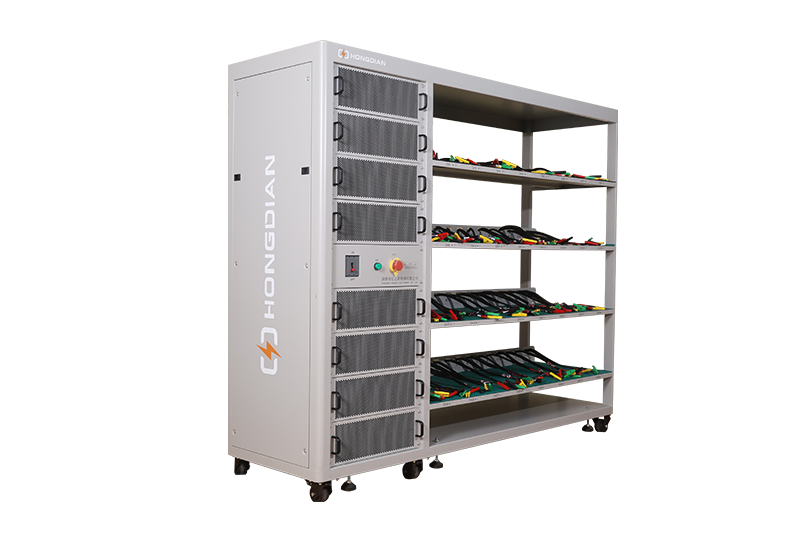 32/48 channel battery charging and discharging test integrated battery cabinet
 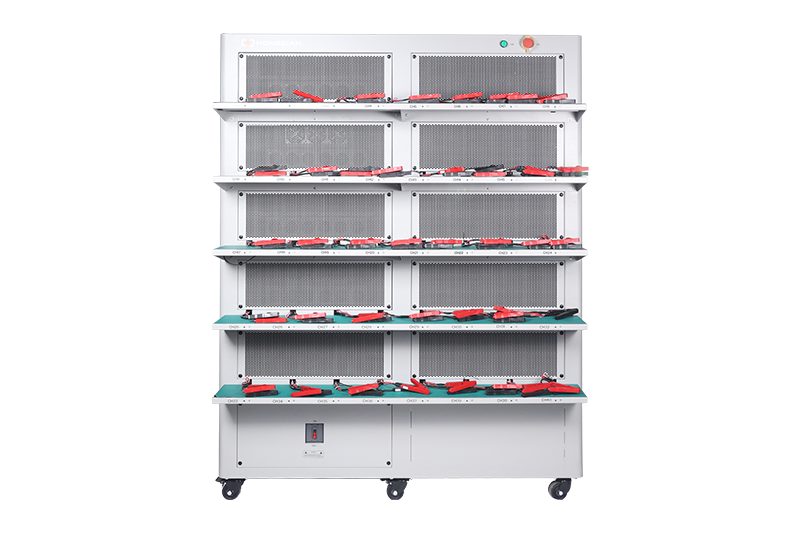 40 channel battery charging and discharging test integrated battery cabinet
  64 channel battery charging and discharging test integrated battery cabinet
 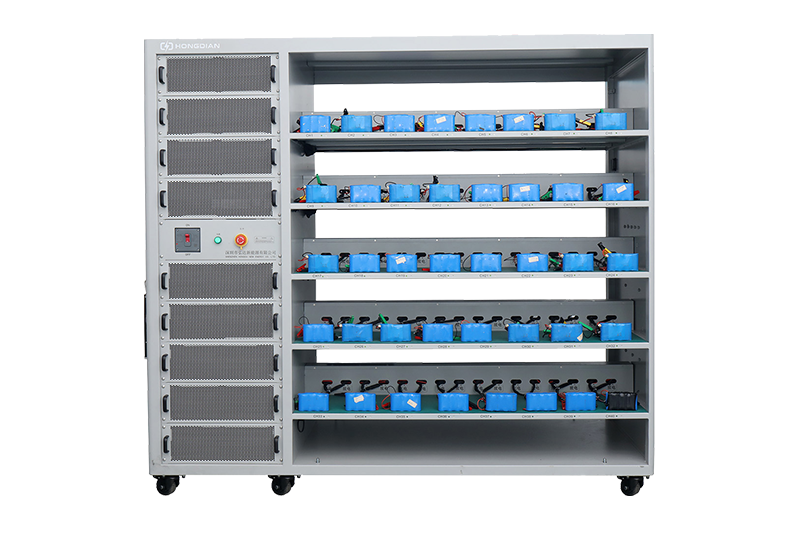 80 channel battery charging and discharging test integrated battery cabinet
 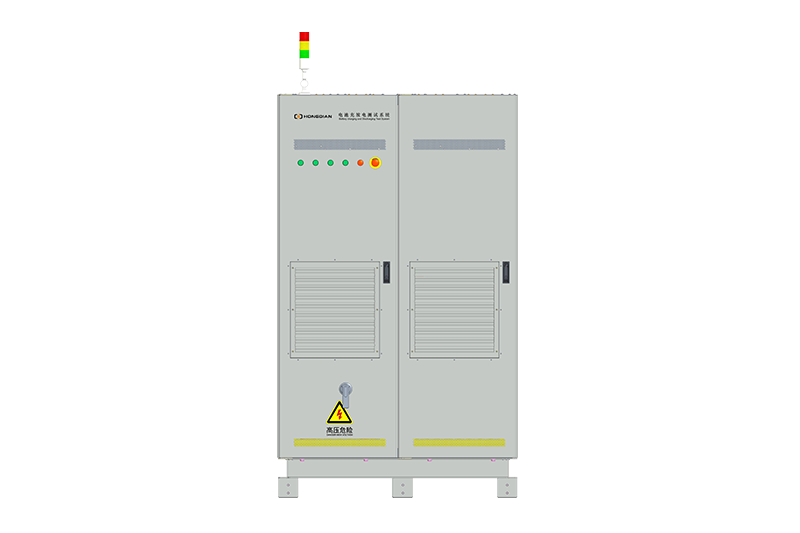 1000V-1500V High Voltage High Current Battery Testing System
 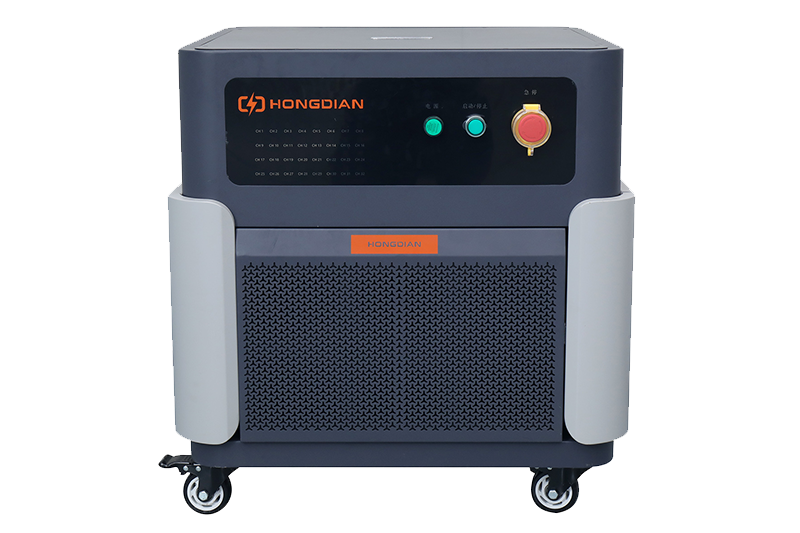 High-Precision Battery Testing System for Enhanced Performance Monitoring 30V/60V/100V/120V
 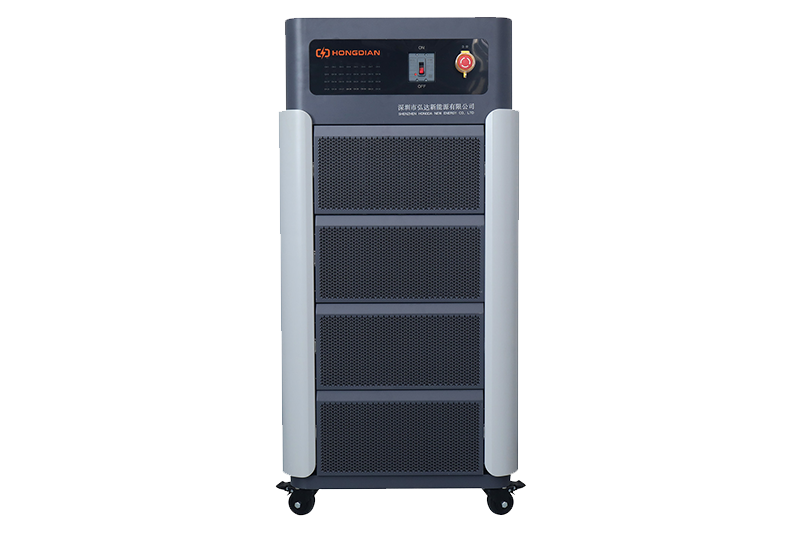 High-Precision Battery Charge Discharge Test Systems for EV Manufacturers
 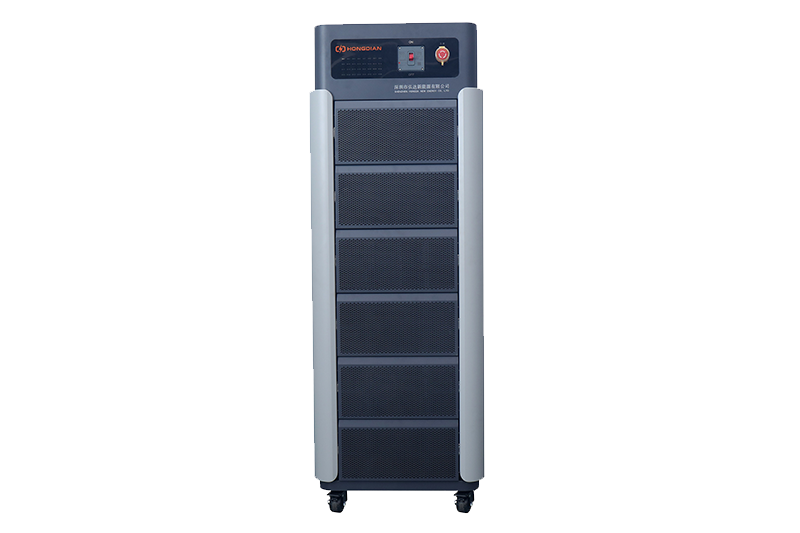 Precision Battery Test Racks for Cell Capacity & Internal Resistance Measurement
 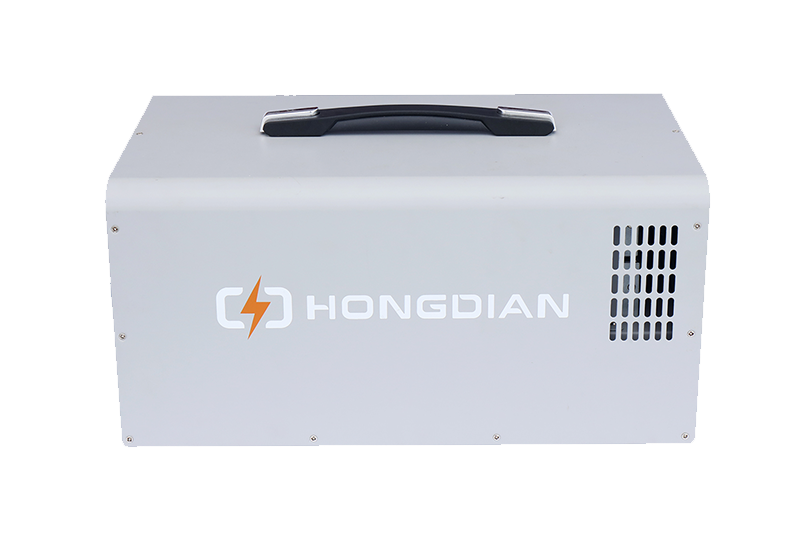 Multi-Channel Battery Testing Equipment for Parallel Performance Analysis