In today’s fast-changing automotive world, making sure acid batteries are reliable and perform well is more important than ever. As vehicles get smarter and more complex, there's a bigger push for accurate diagnostics, which has really driven the development of tools like the AciD Battery Tester. I read in a report from the International Battery Association that over half of battery failures actually come down to incorrect testing methods, so it’s pretty clear why having good, dependable testers is a must for getting an honest look at battery health.
Dr. Emily Johnson, an industry expert and well-known specialist in battery tech, mentions that “the accuracy of an Acid Battery Tester can really make a big difference in how long batteries last and how well they work,” which just shows how crucial it is to pick the right testing gear. Thanks to new tech, these testers are always getting better—giving us more detailed readings and making them easier to use than ever before.
Choosing the right Acid Battery Tester isn’t just about convenience; it’s a key decision that can impact how reliable your energy storage is. By understanding the features and specifications of different models, you can make smarter choices—ultimately helping keep battery-powered systems running smoothly across all kinds of industries.

Understanding Acid Battery Testers and Their Importance
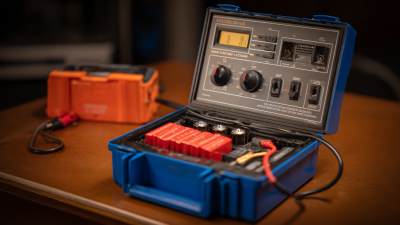
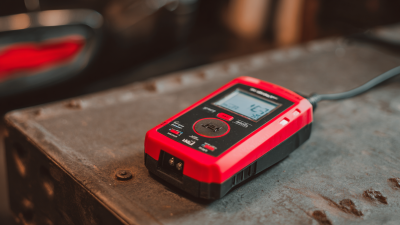
Understanding acid Battery Testers is essential for anyone looking to maintain the performance and longevity of their batteries. Acid battery testers are specialized tools designed to measure the state of charge and health of lead-acid batteries, which are commonly used in vehicles and backup power systems. These testers provide accurate readings that help users determine whether a battery needs charging or replacement. Given the significant role that these batteries play in various applications, using a reliable tester can prevent unexpected failures and costly downtimes.
When selecting an acid battery tester, it's crucial to consider the accuracy of the readings it provides. Look for testers that offer multiple testing modes, such as load testing and specific gravity measurements. These features ensure that you have a comprehensive understanding of your battery's condition. Additionally, consider the ease of use and whether it features a clear display. The right tester will not only give you precise information but also make the testing process straightforward.
**Tips:** Always calibrate your battery tester according to the manufacturer's instructions to ensure accurate results. Regularly check your battery's health, especially before significant usage periods, like winter or summer months. Lastly, remember that maintaining proper fluid levels in your lead-acid batteries will enhance their lifespan and performance, so conduct tests frequently to monitor their conditions.
Key Features to Look for in an Acid Battery Tester
When selecting the best acid battery tester, it's crucial to recognize the key features that ensure accurate readings. Firstly, accuracy is paramount; a reliable tester should have a precision rate of at least 95% as per industry standards. This precision not only aids in diagnosing battery health but also helps prolong the lifespan of the battery by preventing premature replacements. Look for testers that offer both voltage and state-of-charge readings, allowing a comprehensive assessment of the battery's condition.
Next, ease of use plays an essential role. A tester with clear digital displays can significantly reduce the time needed to interpret results. According to a report from the Battery Council International, users typically prefer equipment that is intuitive and requires minimal setup. Additionally, testers that provide built-in safety features such as reverse polarity protection and voltage overload protection are highly recommended to prevent damage during use.
**Tip:** Always calibrate your tester according to the manufacturer’s guidelines to ensure consistent performance.
Another valuable feature to consider is the temperature compensation capability. Batteries can perform differently at varying temperatures, so a tester that automatically adjusts readings based on ambient temperature will yield more reliable results. According to a study by the International Battery Association, neglecting temperature effects can lead to a misdiagnosis of battery health in up to 40% of cases.
**Tip:** Regularly inspect the battery tester for signs of wear or calibration issues, as this can impact accuracy over time.
Different Types of Acid Battery Testers Available
When choosing an acid battery tester, it's important to understand the different types available in the market, as each serves distinct needs and applications. Generally, there are three main categories of acid battery testers: hydrometers, conductance testers, and multimeters equipped with battery testing capabilities. Hydrometers are traditional tools that measure the specific gravity of the electrolyte solution in lead-acid batteries. This method provides direct insight into the state of charge and overall health of the battery. According to industry reports, hydrometers are particularly favored in automotive service environments due to their simplicity and reliability for quick assessments.
Conductance testers, on the other hand, have gained popularity for their ability to provide instant readings by measuring the battery’s conductance level, which correlates to the battery's health. A study by the Battery Council International indicates that conductance testing can be up to 90% more accurate than older methods like hydrometry, particularly in detecting faults that may not be noticeable through other testing means. This technology allows for quicker diagnostics and helps technicians make informed decisions about battery replacement or maintenance.
Multimeters that include battery testing functions also cater to a broader audience, providing versatility for various electrical measurements. These devices allow users to evaluate not only the battery’s voltage but also its internal resistance, which can reveal deeper insights into the battery’s condition. The market for battery testing equipment is projected to grow significantly, with the global battery analyzer market estimated to reach $2.5 billion by 2025. This growth underscores the increasing importance of accurate battery diagnostics in both automotive and industrial applications, highlighting the varied advancements in testing technologies available today.
How to Interpret Readings from an Acid Battery Tester
Interpreting readings from an acid battery tester requires a foundational understanding of battery chemistry and the specific characteristics of lead-acid batteries. Lead-acid batteries, commonly used in automotive and industrial applications, need proper maintenance to ensure longevity and functionality. When testing these batteries, it's crucial to look beyond just the voltage reading. A fully charged lead-acid battery should typically read between 12.6 and 12.8 volts. If your reading falls significantly below this range, it indicates a discharge condition, which may warrant further investigation into the battery's health.
In addition to voltage, an acid battery tester should provide a specific gravity reading from the electrolyte. The specific gravity can reveal the battery's state of charge and overall condition. According to industry reports, a specific gravity reading of 1.265 to 1.280 indicates a fully charged battery, while readings below 1.225 suggest a discharged state. A consistent low specific gravity across multiple cells can signal the need for replacement or deeper analysis of battery capacity, as it may point to sulfation or other deterioration processes.
Understanding the implications of these readings can lead to proactive battery management, potentially extending the service life of lead-acid batteries. Data from the Battery University highlights that maintaining optimal conditions and monitoring specific gravity can increase battery performance by up to 30%. Thus, accurately interpreting electrical and chemical readings is crucial for anyone responsible for battery maintenance, whether in automotive, marine, or renewable energy systems.
Acid Battery Tester Readings Overview
Maintaining Your Acid Battery Tester for Longevity
Maintaining your acid battery tester is crucial for ensuring accurate readings and extending its lifespan. According to a report by the International Electrotechnical Commission, regular calibration and maintenance can improve measurement accuracy by up to 25%. Keeping your tester free from corrosion and dirt through regular cleaning will not only enhance its performance but also prevent premature wear. Additionally, storing the device in a dry location, away from extreme temperatures, can prevent degradation of sensitive components, safeguarding your investment.
Tips for longevity include routinely checking the terminals and probes for signs of wear or damage, as these can directly affect how effectively your tester functions. It's also advisable to perform periodic self-checks to confirm that the readings are consistent and reliable, as even minor discrepancies can lead to major issues in application. Lastly, refer to the manufacturer's guidelines for battery replacements—using the right type of battery will ensure optimal performance and prevent malfunctions that can arise from incorrect specifications.
By adopting these maintenance practices, users can enjoy precise and reliable readings from their acid battery testers, ultimately leading to more informed decisions and enhanced operational outcomes.
How to Choose the Best Acid Battery Tester for Accurate Readings - Maintaining Your Acid Battery Tester for Longevity
| Feature | Description | Benefits |
| Digital Display | Provides a clear, easy-to-read output. | Reduces the chances of misreading results. |
| Built-in Temperature Compensation | Automatically adjusts readings based on temperature changes. | Ensures accuracy in varying environmental conditions. |
| Multiple Testing Modes | Offers different settings for various types of batteries. | Versatility in testing multiple battery technologies. |
| Portable Design | Compact and lightweight for easy transport. | Convenient for mobile technicians and users. |
| Durable Construction | Robust materials suitable for heavy usage. | Increases the lifespan of the tester. |
Common Mistakes to Avoid When Using an Acid Battery Tester
When using an acid battery tester, avoiding common pitfalls is crucial for obtaining accurate and reliable readings. One frequent mistake is neglecting to ensure that the battery is fully charged before testing. According to industry reports, batteries that are partially discharged can yield misleading results, potentially indicating a faulty battery when the issue is simply low charge. A proper testing procedure mandates checking the voltage level prior to conducting a specific gravity test, which is essential to accurately assess the state of the battery.
Another common error is failing to maintain the acid battery tester itself. Regular calibration and proper maintenance are imperative to ensure the tester provides consistent and precise measurements. Data from the Battery Council International highlights that a poorly maintained tester can result in discrepancies of up to 15% in readings, which significantly compromises the assessment of battery health. It’s also important to ensure that the connecting leads and probes are clean and free of corrosion; dirty connections can lead to erratic readings and could ultimately lead to premature battery replacement. By steering clear of these mistakes, users can achieve a more reliable evaluation of acid batteries, ensuring they make informed decisions based on their precise condition.
Where to Purchase a Reliable Acid Battery Tester
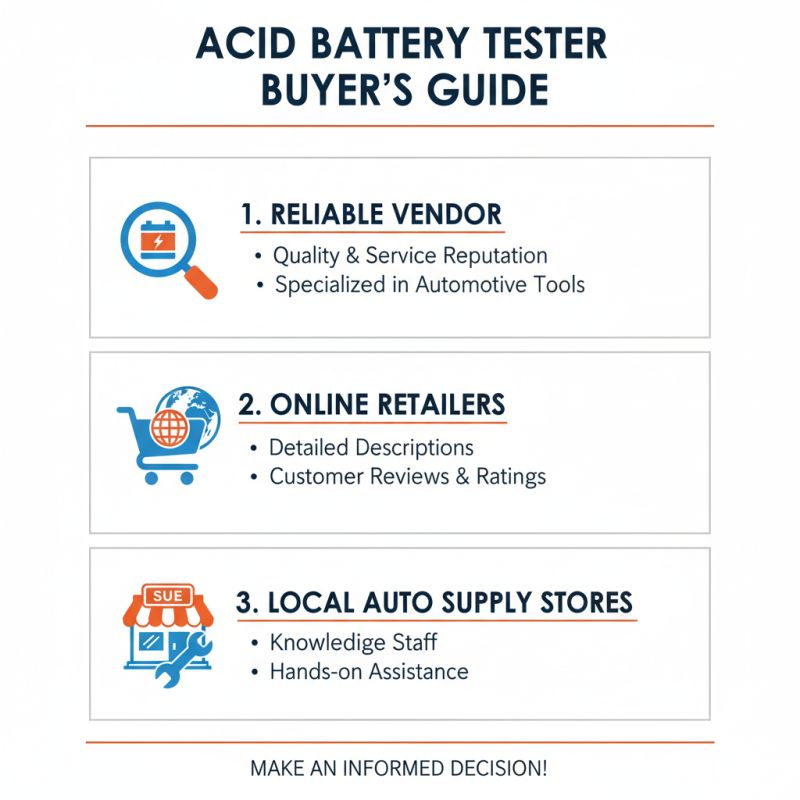
When it comes to purchasing a reliable acid battery tester, it’s essential to choose a vendor known for quality and customer service. Look for online retailers that specialize in automotive tools and equipment. These retailers often provide detailed product descriptions, customer reviews, and ratings that can guide you in making an informed decision. Local auto supply stores may also carry a range of testers, allowing you to speak with knowledgeable staff who can answer your questions and help you choose the right model.
Tips for selecting the right tester include checking for features that matter most to you, such as the ability to test different types of batteries or the presence of a digital display for easier reading. Pay attention to the warranty offered by the manufacturer, as this can be a good indicator of the product's reliability. Additionally, consider a tester that provides quick and accurate results, which can save you valuable time during diagnostics.
Another option is to join online automotive forums where enthusiasts and professionals share their experiences and recommendations. This can provide insight into the most trusted models and where to find them at competitive prices. By leveraging community knowledge, you can find a tester that not only meets your needs but also fits your budget.
Comprehensive Guide to the 32/48 Channel Integrated Battery Cabinet: Optimizing Charging and Discharging Tests
The 32/48 Channel Integrated Battery Cabinet offers a comprehensive solution for optimizing charging and discharging tests across a range of energy storage applications. By leveraging advanced technology, this system enables users to conduct precise and reliable testing, which is essential for the development and validation of battery systems. With the ability to manage multiple channels, it facilitates simultaneous testing of numerous batteries, greatly enhancing overall efficiency in research and development, quality control, and production-line environments.
Customization is a cornerstone of the 32/48 Channel Battery Charge/Discharge Test System. It is engineered to adapt to each user's specific testing requirements, providing the flexibility to adjust parameters and configurations as needed. This adaptability is particularly beneficial for organizations looking to refine their energy storage technologies, as it allows for thorough experimentation and data collection critical for performance evaluation. The robust infrastructure of the cabinet ensures that various testing protocols can be executed with precision, ultimately advancing the development of innovative energy solutions.
FAQS
: Accuracy is crucial as a reliable tester should have a precision rate of at least 95%, which aids in diagnosing battery health and prolonging the battery's lifespan by preventing unnecessary replacements.
Look for testers that provide both voltage and state-of-charge readings, have clear digital displays, built-in safety features, and temperature compensation capabilities to ensure a comprehensive and reliable assessment of the battery's condition.
Ease of use is important because testers with clear displays and intuitive interfaces reduce the time needed to interpret results, making the testing process more efficient.
Batteries perform differently at various temperatures, and a tester with temperature compensation can adjust readings based on ambient temperature, yielding more accurate results.
You can purchase a tester from online retailers specializing in automotive tools, local auto supply stores, or join online forums for recommendations from enthusiasts and professionals.
Pay attention to the warranty offered by the manufacturer, as it can be an indicator of the product's reliability and quality.
It's essential to calibrate your tester according to the manufacturer’s guidelines to ensure consistent performance.
Regularly inspecting the battery tester for signs of wear or calibration issues is important, as these factors can significantly impact measurement accuracy over time.
Testers with safety features like reverse polarity protection and voltage overload protection help prevent damage during use, enhancing overall safety and reliability.
Engaging with online automotive forums allows you to gather insights and recommendations from experienced users, helping you identify trusted models and competitive pricing.
Conclusion
Choosing the right Acid Battery Tester is crucial for ensuring accurate readings and maintaining battery health. Understanding the importance of these testers helps users make informed decisions. Key features to consider include precision measurement capabilities, ease of use, and durability. There are various types of Acid Battery Testers available, each suited for different applications, which further necessitates understanding how to interpret their readings correctly for effective maintenance.
To ensure the longevity of your Acid Battery Tester, regular maintenance is essential, and being aware of common mistakes can help in achieving optimal performance. For those looking to invest in a reliable Acid Battery Tester, knowing where to purchase one is equally important. By following these guidelines, users can effectively make the most of their Acid Battery Tester and manage their batteries proficiently.

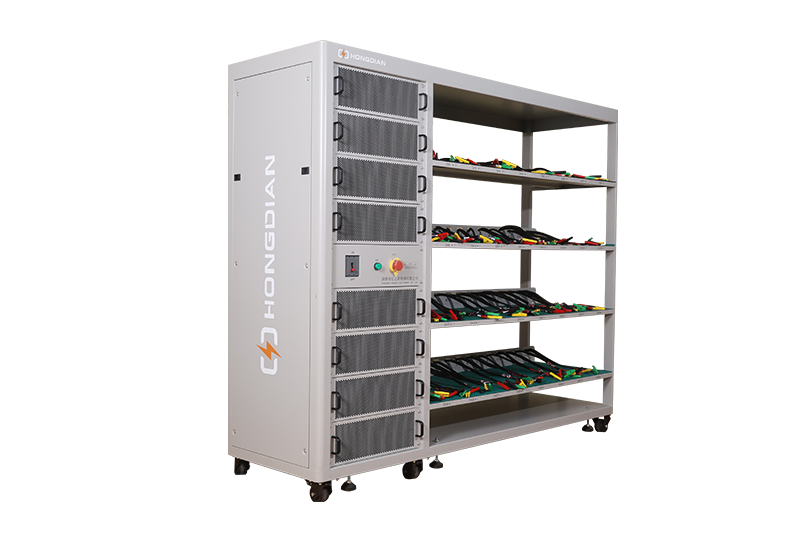 32/48 channel battery charging and discharging test integrated battery cabinet
 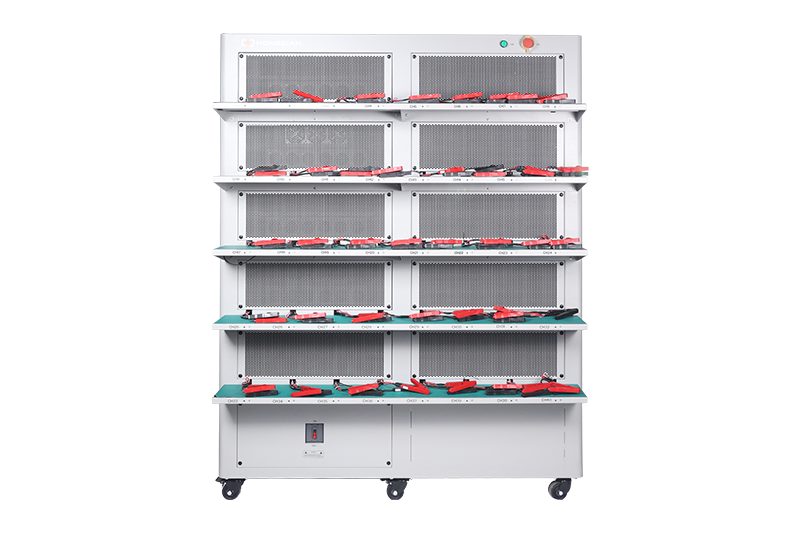 40 channel battery charging and discharging test integrated battery cabinet
  64 channel battery charging and discharging test integrated battery cabinet
 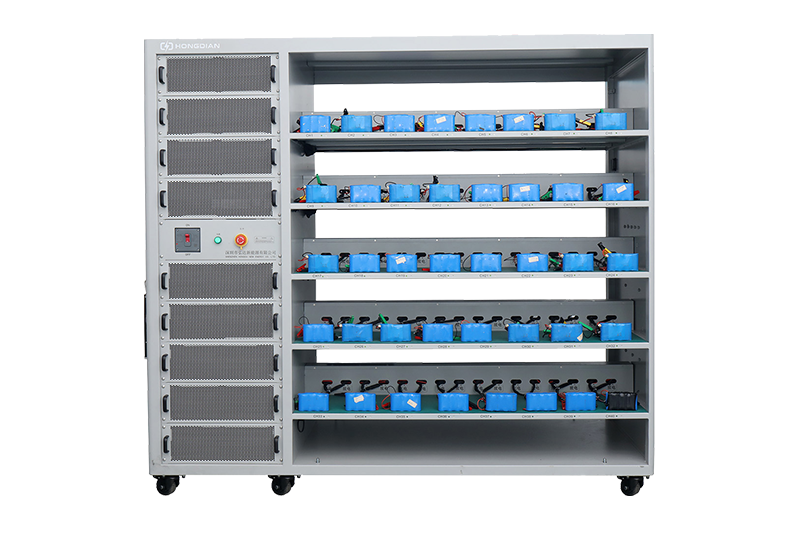 80 channel battery charging and discharging test integrated battery cabinet
 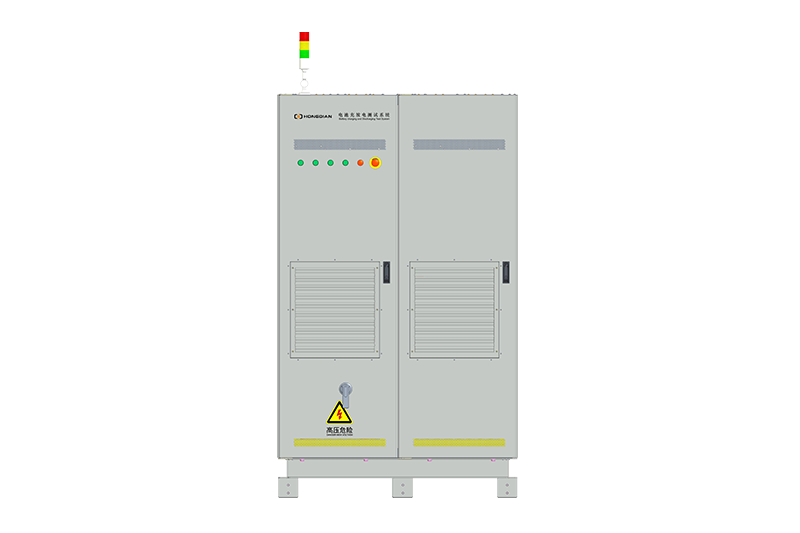 1000V-1500V High Voltage High Current Battery Testing System
 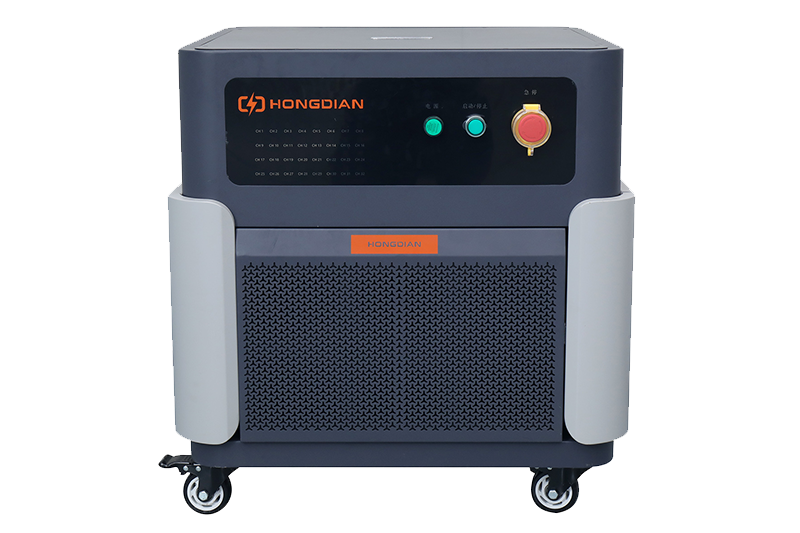 High-Precision Battery Testing System for Enhanced Performance Monitoring 30V/60V/100V/120V
 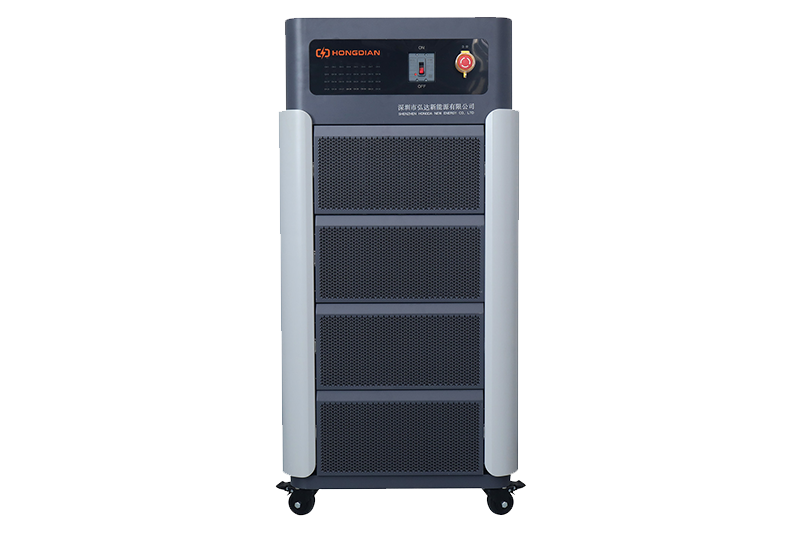 High-Precision Battery Charge Discharge Test Systems for EV Manufacturers
 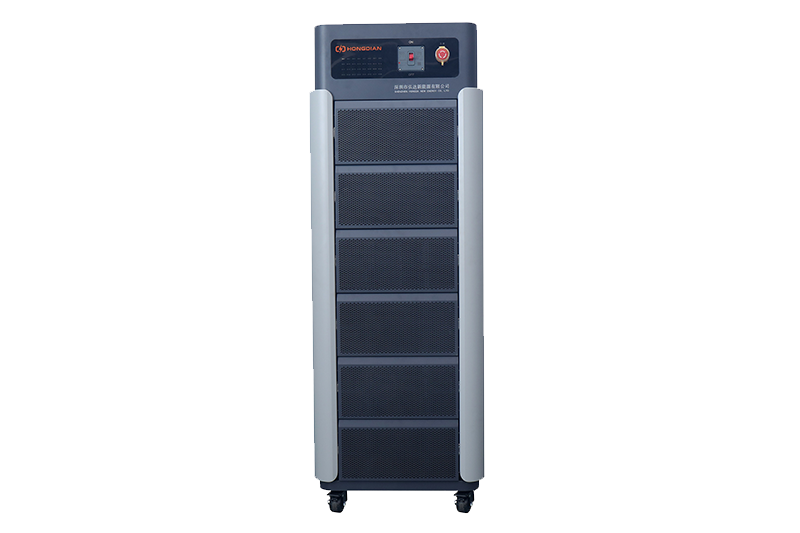 Precision Battery Test Racks for Cell Capacity & Internal Resistance Measurement
 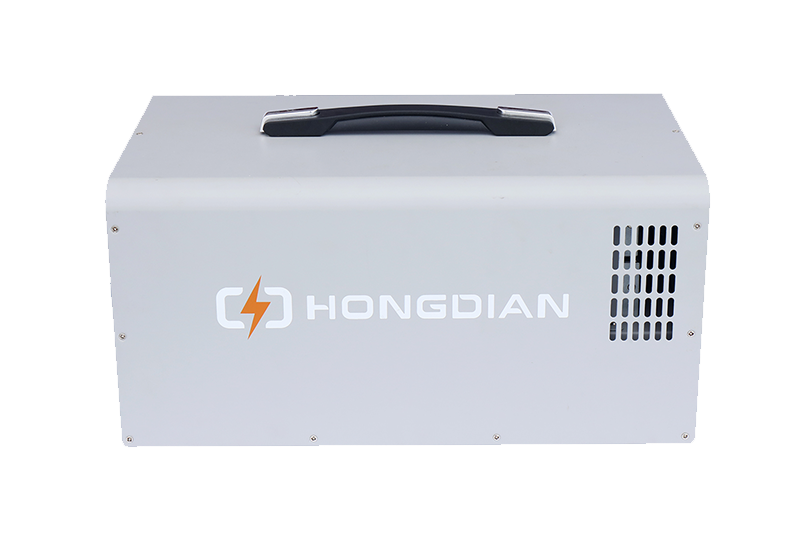 Multi-Channel Battery Testing Equipment for Parallel Performance Analysis