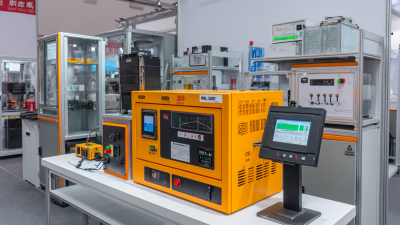
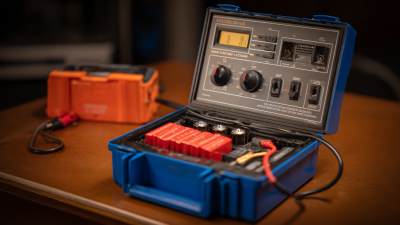
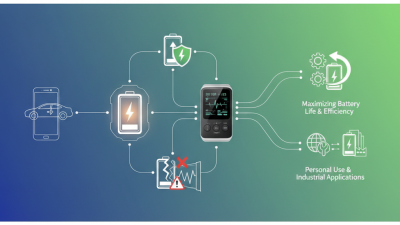
You know, these days, everyone's talking about how crucial reliable Battery Testing tools are becoming. The lithium-ion market's really booming — we're talking about a steady 20% growth annually, thanks largely to electric vehicles and renewable energy projects. Because of that, the demand for top-notch Lithium Battery Testers is skyrocketing. Brands like Extech Instruments and Fluke are pretty much leading the way, earning trust by offering some seriously advanced testing solutions.
Experts say that if you don’t do proper testing, batteries might underperform or even cause bigger issues down the line. That’s why having a good Aa Lithium Battery Tester — or a similar reliable device — can really save the day and keep problems at bay. Sadly, a lot of companies overlook just how important it is to pick the right equipment, and that can end up costing them a lot — in repairs, dissatisfied customers, or even damage to their reputation.
If you’re a manufacturer, finding a great deal on wholesale Lithium Battery Testers is definitely key. Yeah, price matters, but cutting corners when it comes to quality is usually a bad idea. Industry insiders say that investing in reliable testing gear actually helps save money in the long run. The tough part is figuring out that sweet spot between affordability and dependability. Making the right choice now can pay off big time later on — it’s all about thinking ahead and playing it smart.
Best Practices for Selecting Lithium Battery Testers in Wholesale Markets
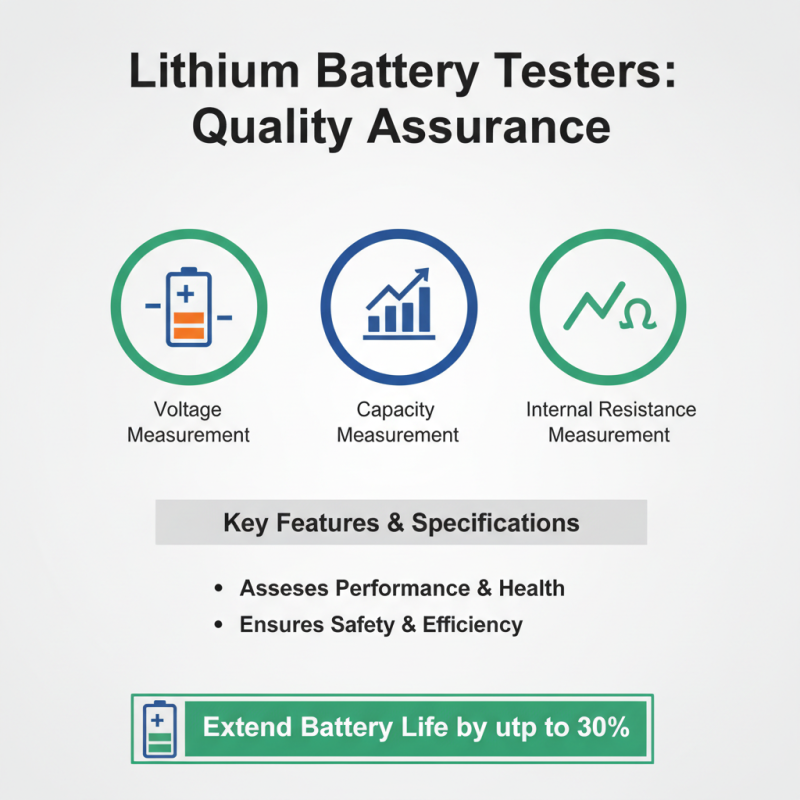
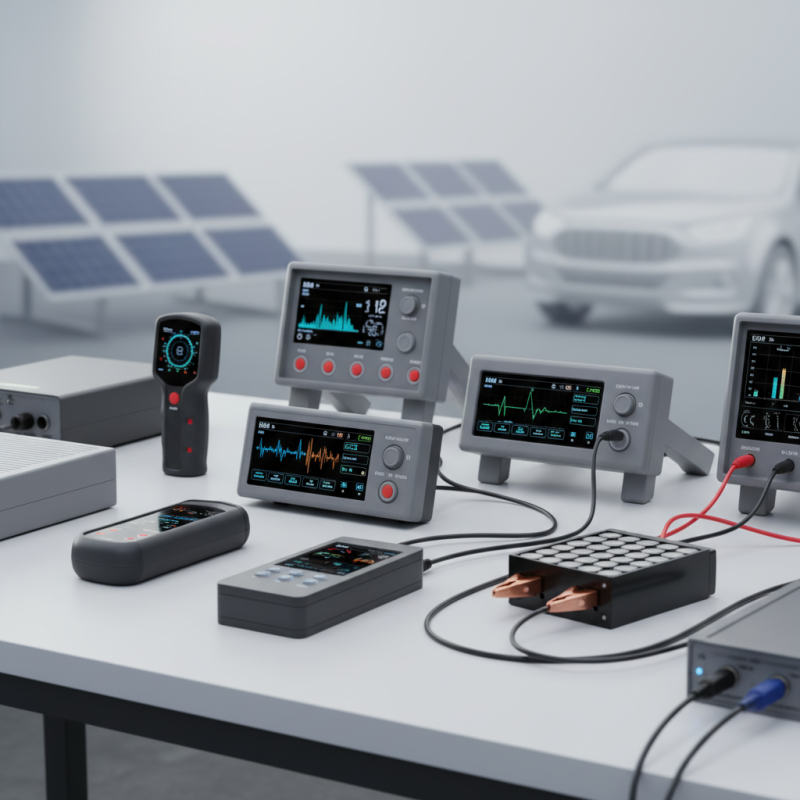
When selecting lithium battery testers in wholesale markets, it’s vital to prioritize quality over price. Quality testers can identify battery issues more accurately. Look for models that provide detailed analysis and diagnostics. They should report on voltage, capacity, and internal resistance. These features help ensure that the batteries perform optimally in your application.
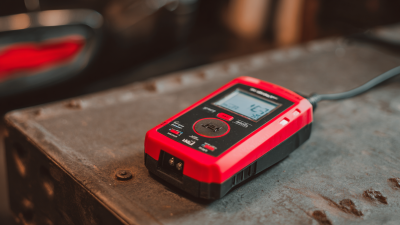
Next, consider the tester’s ease of use. A complicated interface can lead to mistakes, especially under pressure. Choose testers with user-friendly designs. Compact models with clear displays are typically preferred. They should come with straightforward instructions, minimizing the learning curve. However, it's important to remember that even the best testers can fail if they're misused.
Finally, investigate the warranty and customer support options. Reliable brands usually offer solid warranties. They should also provide responsive customer service to address any concerns. If a tester fails just after purchase, it’s crucial you can get assistance quickly. This aspect often gets overlooked, resulting in unnecessary frustrations down the road. Keep all these considerations in mind to make a well-informed selection.
Key Features and Specifications of Lithium Battery Testers for Quality Assurance
Lithium battery testers play a crucial role in quality assurance for various applications. These devices assess the performance and health of lithium batteries, ensuring safety and efficiency. Typically, high-quality testers come equipped with a range of features like voltage, capacity, and internal resistance measurements. According to industry reports, accurate testing can extend battery life by up to 30%.
When selecting a lithium battery tester, consider specifications such as measurement range and data display quality. A good tester should also provide real-time analytics, allowing users to monitor battery conditions effectively. Always check for features like built-in safety alerts and compatibility with different battery types. Poor testing equipment can lead to faulty battery assessments, causing safety risks and operational issues.
**Tip:** Regular calibration of testers ensures accurate readings and prolongs the lifespan of the equipment. Many experts recommend annual checks. Avoid compromising on quality; choosing cheaper options can lead to inaccurate results.
Understanding the specifications and keeping up-to-date with the latest advancements in technology is vital. The battery testing industry constantly evolves, and staying informed can prevent costly mistakes. Proper education on testing methods is essential for both manufacturers and consumers. Always reflect on the efficacy of the tools you choose.
Understanding Price Ranges: Average Costs of Wholesale Lithium Battery Testers
When looking for wholesale lithium battery testers, understanding price ranges is crucial. Generally, prices can vary significantly based on features and accuracy. Basic testers might start around $50, while advanced models can range over $500. This price range reflects not just the technology, but also the precision in testing capabilities.
Testing lithium batteries requires reliable devices. Some testers offer simple voltage checks, while others measure capacity and resistance. It's wise to invest in a tester that aligns with your needs. However, not all expensive models are necessary for everyone. Some users may find that cheaper options suffice for basic testing tasks.
Research is vital before purchasing. Exploring various suppliers can lead to better deals. You may find notable discrepancies in similar models from different wholesalers. Remember, a lower price does not always guarantee quality. Evaluate reviews and specifications carefully, as some budget testers might lack reliability. Ultimately, understanding these nuances can lead to a more informed purchase decision.
Top Brands to Consider for Discount Lithium Battery Testers in the Market
When shopping for a discount lithium battery tester, consider various top brands known for their reliability. Not all testers have the same accuracy or features. Some offer basic functionalities while others provide advanced diagnostics. Compare the specifications carefully. A good Lithium-Ion Battery Tester will simplify your decision-making process.
It’s essential to evaluate testers that suit your specific needs. Look for models that display voltage, current, and capacity readings. These metrics can help assess battery health effectively. Some testers may lack comprehensive features. Read user reviews to gain insights into their performance and durability. Remember, not every model will meet your expectations.
Price is a significant factor, but don't let it guide your choice solely. You may encounter inexpensive options that fall short in quality. Draft a list of essential features; this will prevent impulse buying. Additionally, testing may reveal some limitations you didn’t expect. Transparency in specifications is crucial for informed decisions regarding lithium-ion battery testers.
Market Trends: Demand and Supply Analytics for Lithium Battery Testing Devices
The market for lithium battery testing devices continues to evolve, driven by increasing demand and the rapid growth of electric vehicles (EVs). According to recent industry reports, the global lithium battery tester market is projected to reach $500 million by 2025. This reflects a compound annual growth rate of 10% from 2020 to 2025. The rising focus on renewable energy sources and battery efficiency has played a significant role in this trend.
Supply chain challenges persist in the lithium battery tester market. Reports indicate that the shortage of semiconductor components has led to delayed product availability. Many manufacturers are struggling to meet the accelerated demand from battery producers and EV manufacturers. As a result, some companies are re-evaluating their procurement strategies to ensure a stable supply of key materials for Lithium Ion Battery Tester production.
This dynamic environment necessitates awareness of both market trends and challenges. While the outlook appears positive, companies must remain agile. Innovations in testing technologies, like enhanced diagnostic capabilities and user-friendly interfaces, will be crucial. Balancing quality and affordabilitywill be essential as competition intensifies. The Lithium Ion Battery Tester landscape is complex, presenting opportunities and hurdles as the market grows.
Comparative Analysis of Battery Tester Technologies: Pros and Cons
When choosing a battery tester, understanding the different technologies is essential. Each technology has its own advantages and limitations. For example, a Lithium Battery Discharge Tester can provide accurate readings for lithium-ion batteries, but it may struggle with other types. This specificity can impact versatility, making it crucial to select a tester suited to your needs.
Many testers offer simple interfaces, while others may feature complex settings. The ease of use can influence efficiency, particularly in professional environments. Consider how often you’ll use the device. Frequent users might prefer advanced models. However, these models can come with a steeper learning curve. Users should reflect on their requirements and select a balance between simplicity and functionality.
Tips: Look for testers with clear display screens. A visible reading is crucial for quick assessments. Users might also benefit from models with built-in safety features. Always check for calibration options to ensure accuracy in testing. A slight oversight can lead to significant errors, especially in critical applications.
Best Discount Wholesale Lithium Battery Tester Pricelist Guide
| Tester Type | Voltage Range (V) | Current Range (A) | Display Type | Approx. Price ($) | Pros | Cons |
| Digital Tester | 1-12 | 0-100 | LCD | 25 | High accuracy, easy to read | Requires batteries |
| Analog Tester | 1-15 | 0-200 | Dial Gauge | 15 | No power needed, robust construction | Less precise |
| Smart Tester | 1-20 | 0-150 | Digital/Smartphone App | 40 | Connected features, detailed data analysis | More expensive, requires app |
| Load Tester | 2-12 | 0-300 | Analog Meter | 30 | Simulates actual usage conditions | Can discharge battery |
How to Evaluate the Accuracy and Reliability of Lithium Battery Testers
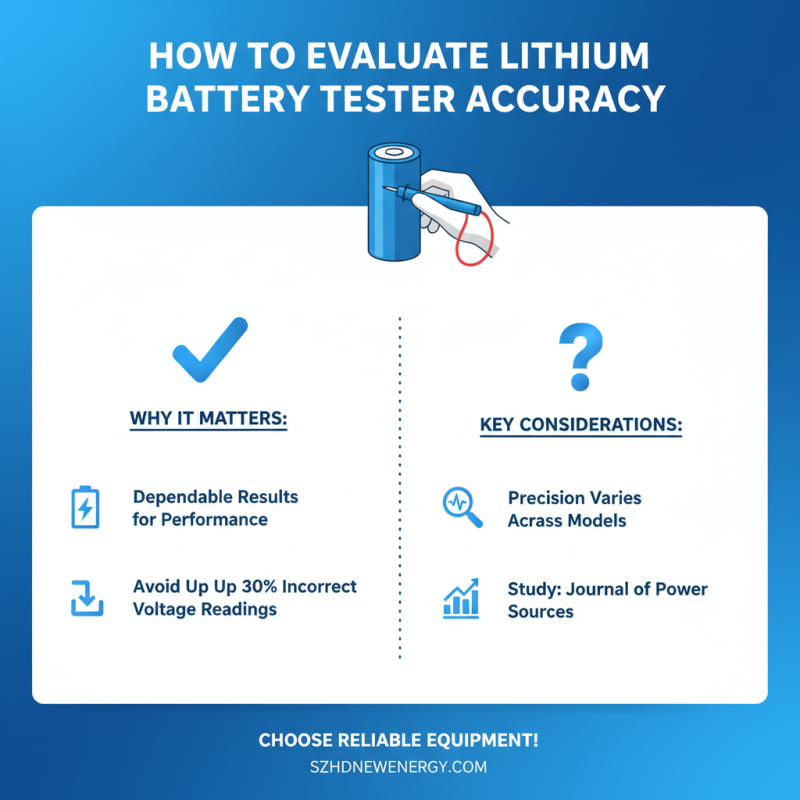
Evaluating the accuracy and reliability of a Lithium Battery Tester is vital for users. Accuracy ensures that the tester provides dependable results, which can impact performance assessments. A study published in the Journal of Power Sources highlights that a tester's precision can vary significantly across different models. Up to 30% of testers may report incorrect voltage readings, affecting your analysis.
When analyzing reliability, consider factors like build quality and user reviews. A report by Battery University noted that nearly 25% of users faced issues with inaccurate readings due to poorly designed devices. Selecting a Lithium Battery Tester with a solid reputation is crucial in avoiding equipment failure. Reviews from experts can offer insights into which testers maintain consistency.
Testers may report excellent specifications, yet practical performance varies. Some models may overestimate capacity or underestimate cycle life. Regular calibration is also necessary to maintain precision. Engaging with user forums can highlight shared experiences among professionals. This knowledge can guide better purchasing decisions.
Optimizing Performance and Safety: A Comprehensive Guide to 32/48 Channel Battery Charging and Discharging Test Integrated Cabinets
The pursuit of optimizing performance and safety in energy storage applications is crucial, especially in the context of battery charging and discharging tests. The 32/48-Channel Battery Charge/Discharge Test System stands at the forefront of this effort, engineered to provide exceptional flexibility and efficiency tailored to various testing needs. This system's design allows for customization, ensuring that it can adapt perfectly to the specific requirements of different applications. Whether utilized in research and development, quality control processes, or production-line validation, it delivers reliable results that enhance overall operational safety and effectiveness.
With advancements in technology and the growing demand for efficient energy storage solutions, having a comprehensive approach to battery testing is more important than ever. The 32/48-channel system enables simultaneous testing across multiple channels, significantly increasing throughput and reducing the time required for comprehensive analysis. This capability not only streamlines testing workflows but also ensures accurate and dependable data, fostering innovation and improvement in battery performance. By integrating advanced features and user-friendly interfaces, this system allows engineers and researchers to conduct complex testing scenarios with confidence.
In such a rapidly evolving industry, leveraging a robust testing system can lead to better product development and enhanced safety standards. The ability to customize testing parameters ensures that all unique characteristics of the battery being evaluated are accounted for, paving the way for breakthroughs in battery technology. As energy storage becomes increasingly vital, the role of sophisticated testing systems like the 32/48-Channel Battery Charge/Discharge Test System will undoubtedly be pivotal in shaping a safe and efficient future.
FAQS
: They assess performance and health of lithium batteries for safety and efficiency.
Accurate testing can extend battery life by up to 30%.
Look for voltage, capacity, internal resistance measurements, and real-time analytics.
It ensures accurate readings and prolongs equipment lifespan.
Build quality, user reviews, and practical performance are key considerations.
They can lead to faulty assessments, causing safety risks and operational issues.
Up to 30% of testers can report inaccurate voltage readings.
They provide shared experiences that guide better purchasing decisions.
No, cheaper options might lead to inaccurate results and potential risks.
Consider the efficacy of the tools and stay informed on the latest technologies.
Conclusion
When selecting a lithium battery tester in wholesale markets, it is essential to follow best practices that ensure quality and reliability. Key features to look for include accuracy, ease of use, and durability, as these attributes are crucial for effective testing. Understanding price ranges can help buyers identify average costs, enabling them to make informed decisions based on their budget.
Additionally, market trends indicate a growing demand for lithium battery testers, which highlights the importance of staying updated on supply analytics. A comparative analysis of different battery tester technologies reveals various pros and cons, aiding in the selection process. Ultimately, evaluating the accuracy and reliability of these testers ensures that purchasers can trust the performance of their devices in real-world applications.

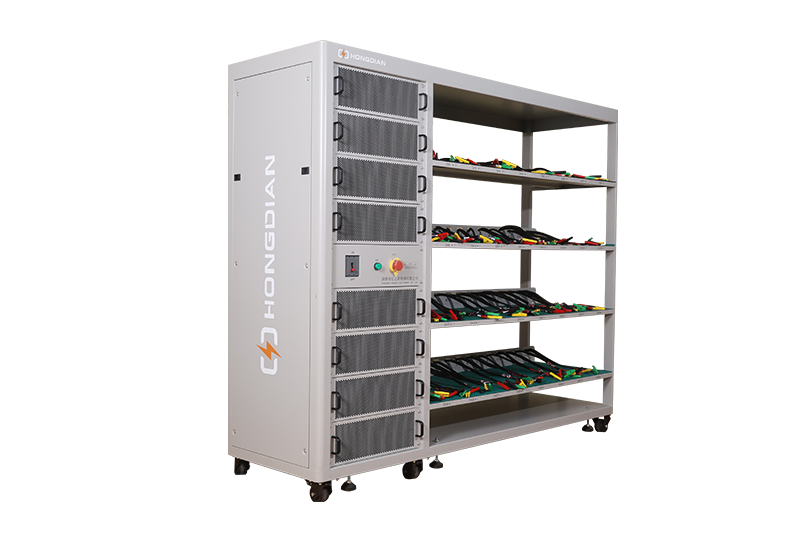 32/48 channel battery charging and discharging test integrated battery cabinet
 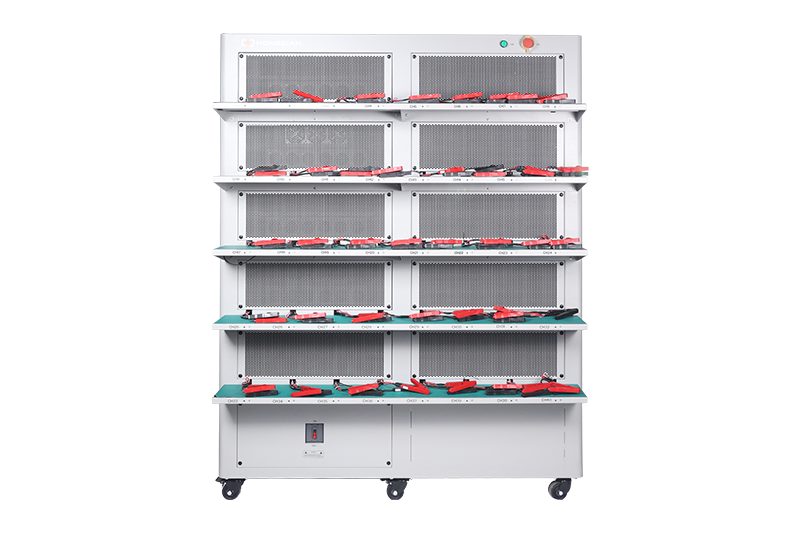 40 channel battery charging and discharging test integrated battery cabinet
  64 channel battery charging and discharging test integrated battery cabinet
 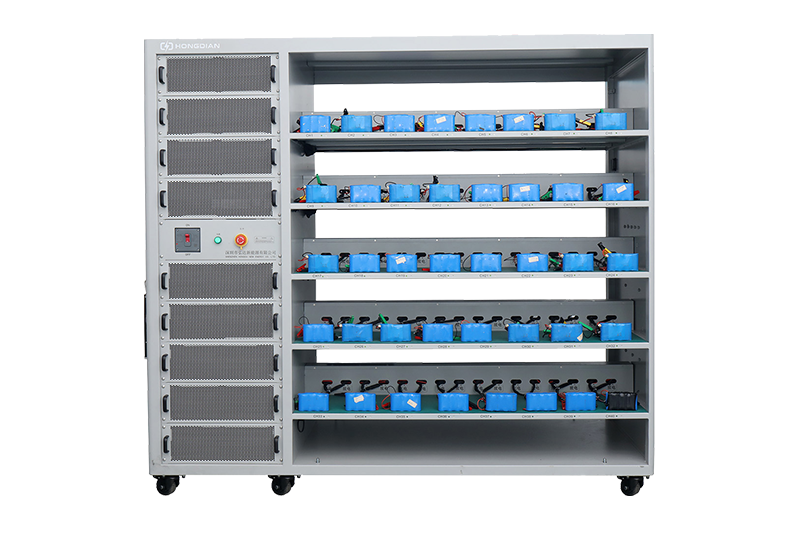 80 channel battery charging and discharging test integrated battery cabinet
 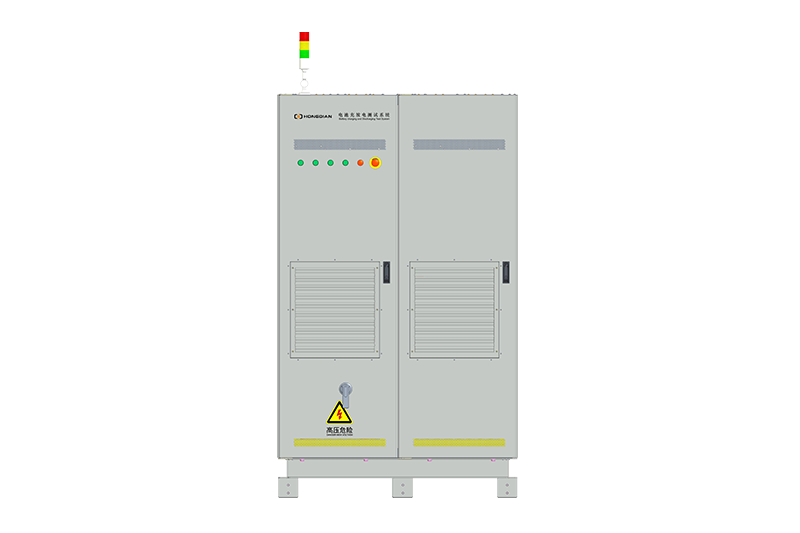 1000V-1500V High Voltage High Current Battery Testing System
 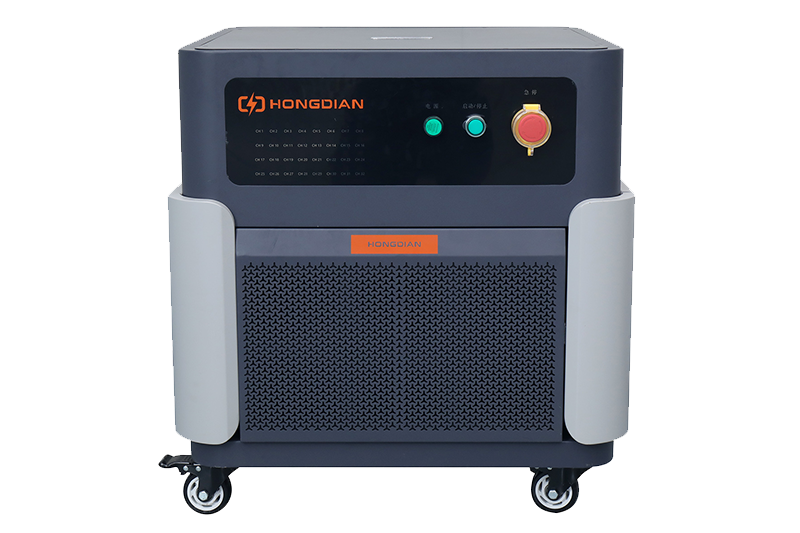 High-Precision Battery Testing System for Enhanced Performance Monitoring 30V/60V/100V/120V
 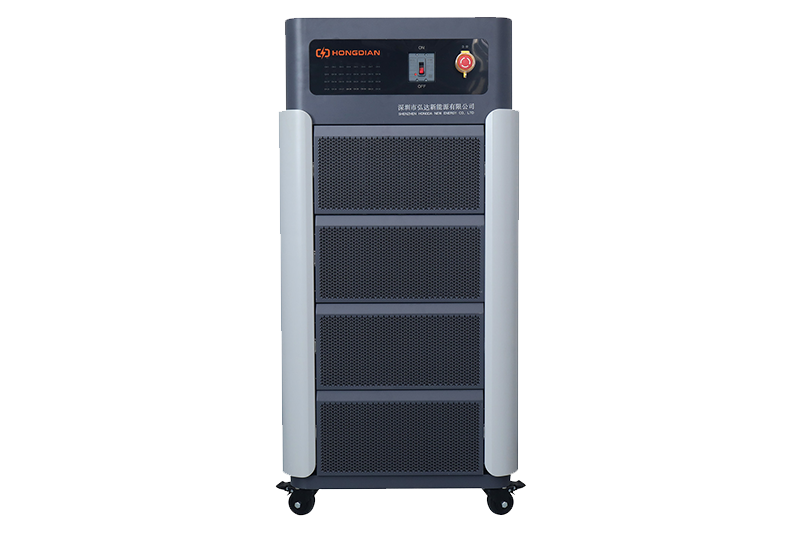 High-Precision Battery Charge Discharge Test Systems for EV Manufacturers
 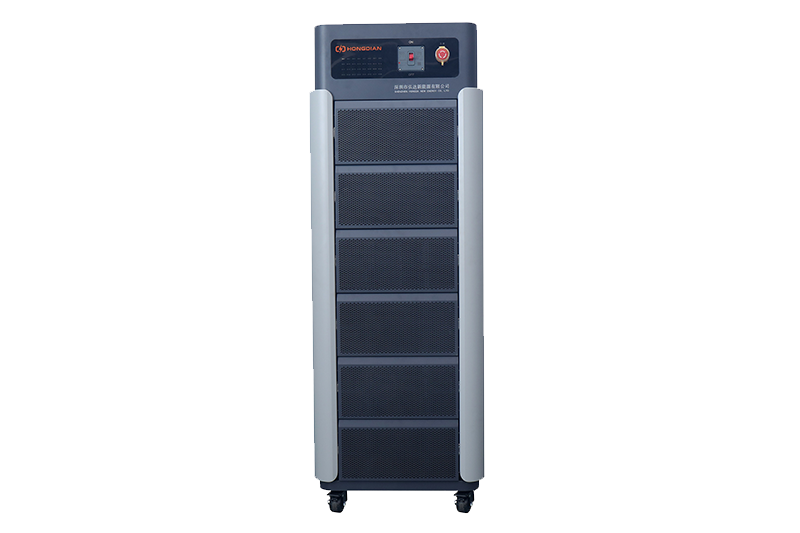 Precision Battery Test Racks for Cell Capacity & Internal Resistance Measurement
 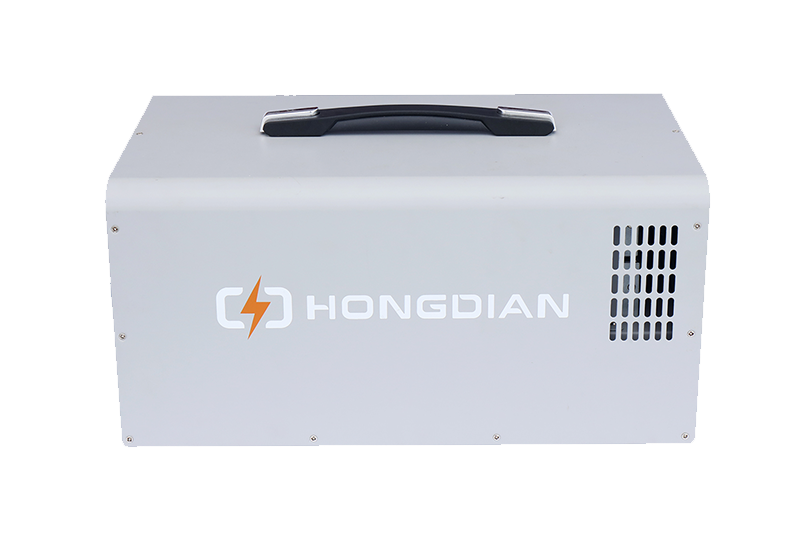 Multi-Channel Battery Testing Equipment for Parallel Performance Analysis