In today’s fast-changing energy world, keeping tabs on how your UPS batteries are doing is more important than ever if you want things to run smoothly and reliably. With more and more companies depending on seamless power supply, knowing how to make the most of modern UPS Battery Testers is pretty much a must-have skill.Shenzhen Hongda New Energy Co., Ltd., has been a big name in the new energy scene since day one, growing its reach to serve thousands of customers in various countries and regions. We’re all about offering top-notch Battery Testing solutions that help our clients boost their energy plans and get more life out of their UPS batteries. This guide covers some of the best tips and methods for using UPS Battery Testers, so you can keep your power systems running at their best and avoid surprises down the line.
Understanding the Importance of Accurate Battery Performance Measurement
Getting an accurate picture of how batteries perform is pretty important—especially when we're talking about Uninterruptible Power Supplies (UPS). These batteries are basically the backup heroes that kick in during power outages, and if they aren’t working well, it can really mess things up, affecting everything from critical equipment to your data. Without good measurements, organizations can end up caught off guard with unexpected downtime, which isn’t fun for anyone.
Plus, knowing how your batteries are doing helps you decide when to do maintenance or swap them out before things get worse. Modern battery testers give you all kinds of useful info—like discharge rates, overall capacity, and how many cycles they’ve gone through. Keeping an eye on these numbers regularly means businesses can fine-tune their power management and make those batteries last longer, while also making sure everything runs smoothly and reliably. In the end, investing in proper battery performance checks isn’t just about keeping devices up and running; it’s really about protecting your critical operations and keeping productivity high.
Types of Advanced Battery Testers and Their Features
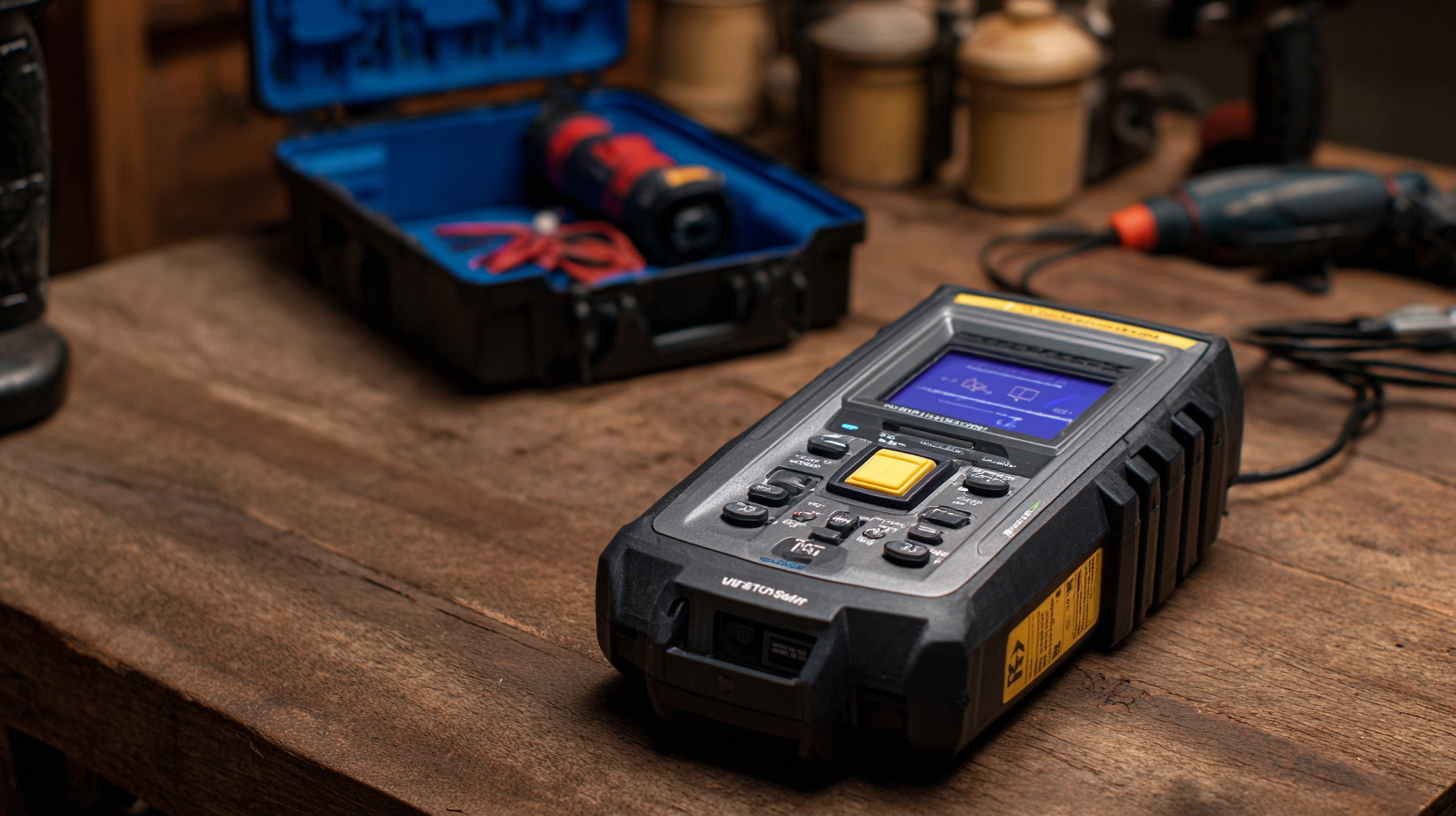
When you're trying to gauge how well your UPS battery is doing, using advanced battery testers can make a huge difference in getting accurate results and saving time. There are quite a few types out there, each with its own set of features designed for different needs. For example, digital testers are pretty handy—they can give you precise readings of capacitance and internal resistance, which are key indicators of battery health. I came across a report from MarketsandMarkets that mentioned how the demand for these high-tech testers is on the rise, reflecting how the industry is leaning more towards data-driven maintenance solutions.
Then you've got load testers—these apply a simulated load to see how the battery performs under real-world conditions. It's a smart way to spot issues that might not show up just by checking the voltage. Plus, a lot of these advanced testers come with software that lets you monitor stuff in real-time and generate detailed reports. Industry Week highlighted how harnessing data analytics can actually help extend your battery’s lifespan and improve overall performance.
A couple of quick tips—make sure you calibrate your tester regularly so the readings stay accurate. It's also a good idea to set up a regular testing schedule—doing checks every few months can prevent unexpected failures and keep your batteries reliable when you need them most. Lastly, always check the manufacturer’s guidelines for your specific battery. Following those will help you get the most out of your testing efforts.
Step-by-Step Guide to Using Battery Testers for Performance Evaluation
When you're checking out how your UPS battery is performing, using some high-quality battery testers can really make a difference. First off, pick a tester that’s compatible with your specific UPS model and matches what you need to test. Once you've got the right gear, make sure the battery is fully charged before you start testing—that way, you’re measuring its true performance under the best conditions, you know?
After that, connect the tester to your UPS battery as per the instructions. Then, run through a few tests—things like load testing, capacity testing, and impedance measurement. Load testing shows if the battery can handle a certain amount of power, while capacity tests give you an idea of how much charge it still has left. Impedance measurement is about checking the internal resistance and overall health of the battery. Don't forget to jot down the results from each test; it’s super helpful for keeping an eye on how your battery is doing over time and catching any issues early. By following these simple steps, you’ll get a pretty accurate picture of your UPS battery’s health and make sure it’s ready to go when you really need it most.
Interpreting the Results: Key Metrics to Analyze
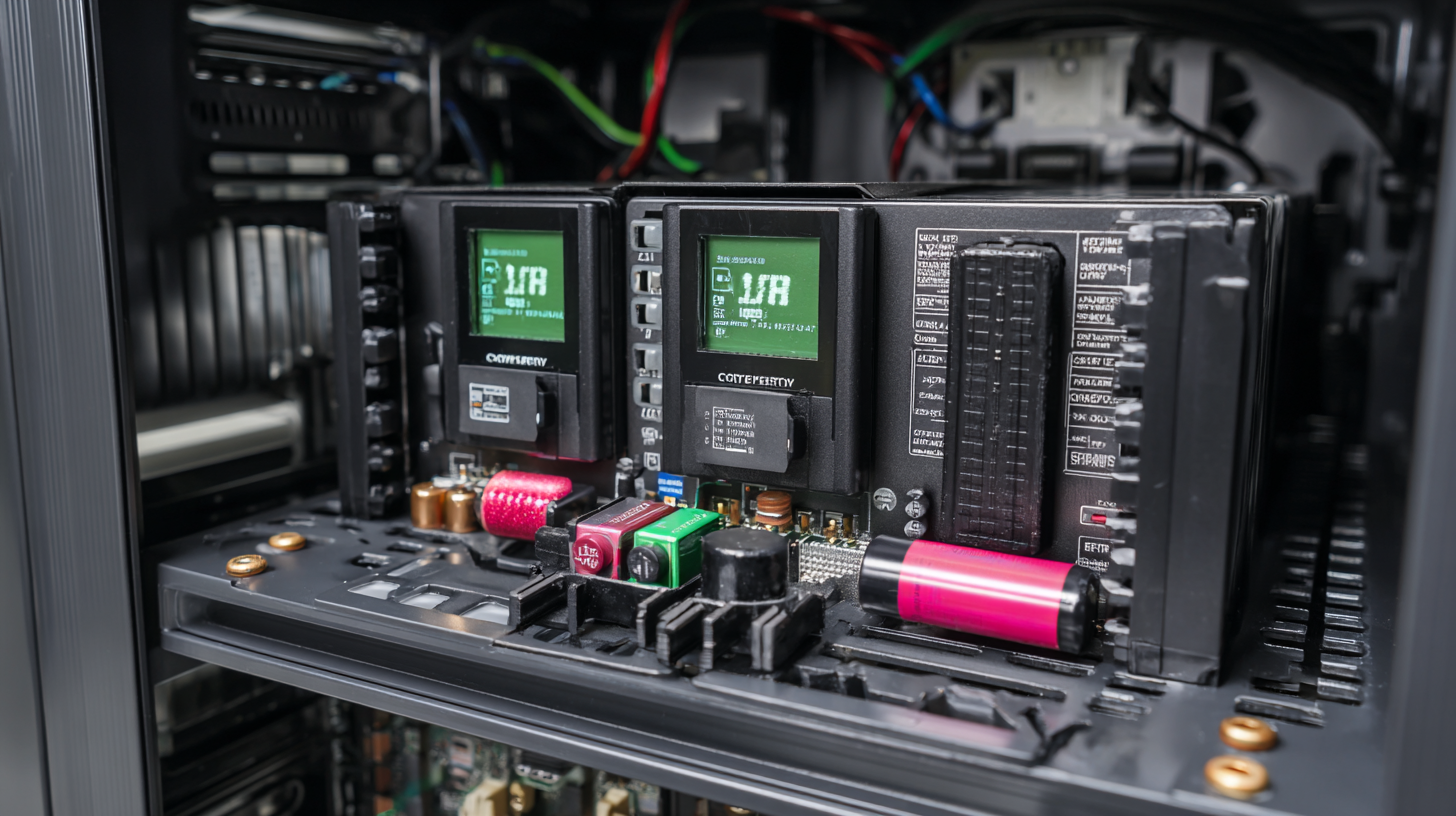 Keeping tabs on how UPS batteries perform is super important if you want your system to stay reliable and run smoothly. Using advanced battery testers really helps here, giving you key info to see how your batteries are holding up. When you're looking at test results, a few main things to check out are Capacity, Internal Resistance, and Cycle Life. For starters, Capacity is all about how much energy the battery can deliver — usually measured in amp-hours (Ah). Fun fact: studies show that if a battery's capacity drops below 80% of what it’s rated for, it’s probably time to think about replacing it before you get stuck with unexpected downtime.
Internal Resistance is another biggie. When resistance gets higher, that usually means the battery's not as healthy — it can cause more heat and actually shorten the battery's lifespan. If you notice a big jump in this number, it’s often an early warning sign that the battery’s starting to wear out. Keeping an eye on this helps you catch problems early and avoid bigger issues down the line. And then there's Cycle Life — basically how many full charge and discharge cycles a battery can handle before it really starts to lose performance. Knowing these numbers helps you make smarter choices about maintenance and replacements, so your UPS keeps running strong and lasts longer overall.
Common Mistakes to Avoid When Measuring Battery Performance
When you're testing the performance of UPS batteries, it's really important to avoid some common mistakes that can give you skewed results. For example, one of the biggest blunders is not fully charging the battery beforehand. If the battery isn’t fully topped up, the data you get might be misleading — it won't really show how well the battery can perform or how long it’ll last. So, always double-check that your battery is fully charged and has equilibrated before you start any testing to get trustworthy results.
Another thing to watch out for is ignoring environmental factors. Things like temperature, humidity, and other conditions can seriously impact how the battery performs. Testing in a setting that’s not representative of real-world conditions might lead you to wrong conclusions about its capabilities. It’s best to run tests in a controlled environment that closely resembles where the UPS will actually be used. Paying attention to these details will help you get a clear picture of the battery’s true performance and reliability under normal conditions.
How to Accurately Measure the Performance of Your UPS Battery Using Advanced Battery Testers - Common Mistakes to Avoid When Measuring Battery Performance
| Test Parameter | Ideal Range | Common Mistakes | Notes |
| Voltage | 12.0 - 12.6 V | Measuring under load | Check after a full charge |
| Internal Resistance | Less than 10 mΩ | Ignoring temperature effects | Ensure accurate tester calibration |
| Charge Time | 6-8 hours | Underestimating time required | Consider state of discharge |
| Cycle Life | 500 cycles | Not tracking usage accurately | Record usage patterns |
| Temperature | 20-25 °C | Measuring in extreme conditions | Use a thermometer for accuracy |
Tips for Maintaining Your Ups Battery for Optimal Performance
If you want your UPS battery to perform at its best, regular maintenance is really the key. Start by giving it a good clean—make sure it's free of dust and corrosion, because those little things can mess with how well it connects and works. Checking it once a month isn't a bad idea either—it's a great way to spot any cracks, dents, or signs of wear before things get seriously worse. Oh, and don’t forget to keep an eye on the temperature and airflow around the battery. Too much heat isn’t good—trust me, it can cut down its lifespan and make it less reliable.
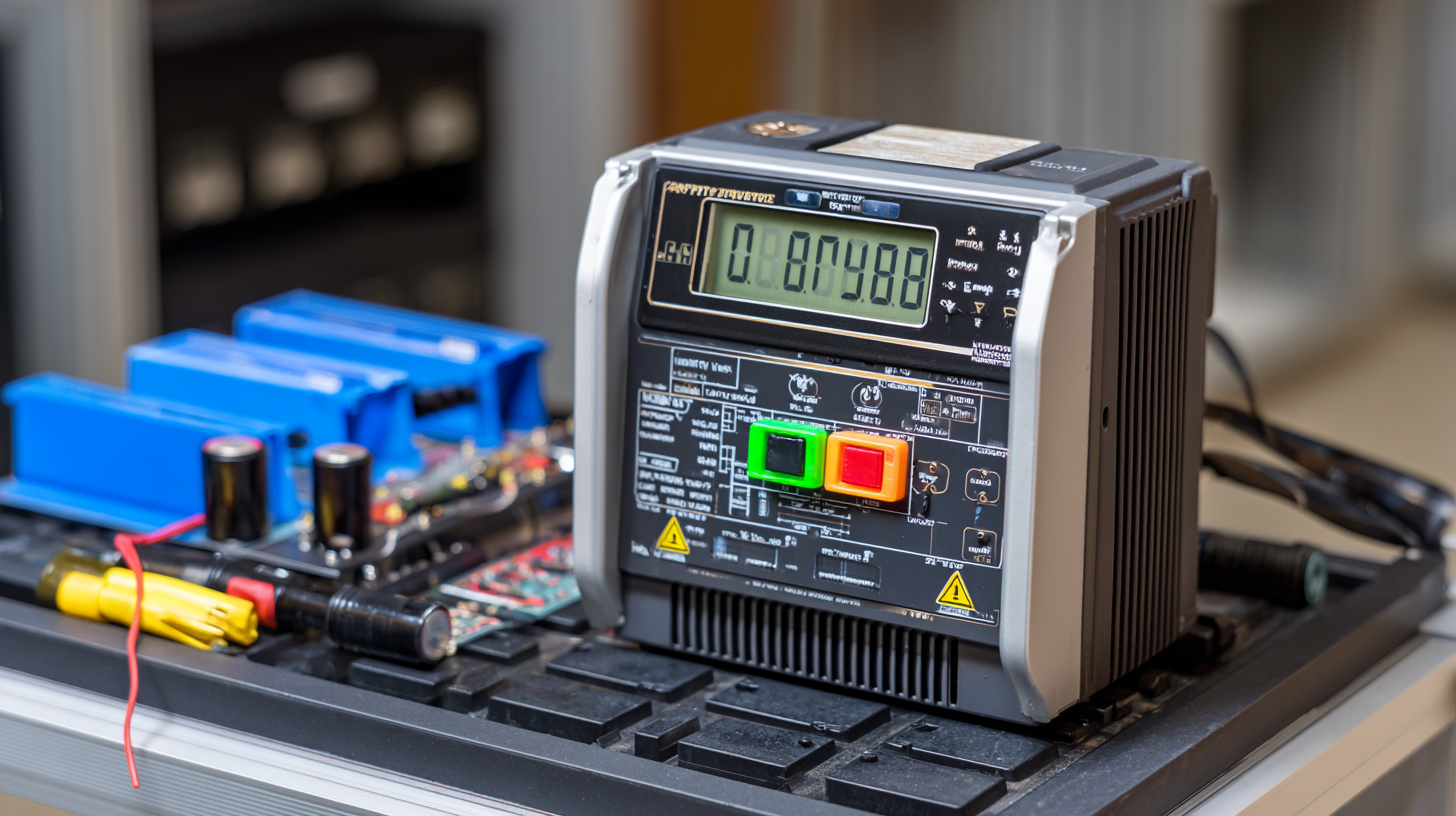
Taking care of your battery also means charging it properly. Follow the manufacturer’s guidelines—don’t overdo it with the charges, because that can cause electrolyte loss and make it less capable over time. If your UPS has a self-test feature, use it every now and then to check how healthy the battery really is. And finally, pay a little attention to where you keep your UPS; a cool, dry spot with steady humidity does wonders for extending the battery’s life and keeping it running smoothly. Stick with these simple tips, and you’ll help keep your UPS battery happy and working like a champ for a long time.
Enhancing EV Production Efficiency: Insights from Recent Market Analysis on High-Precision Battery Charge Discharge Test Systems
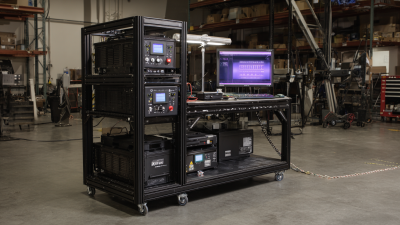
As the electric vehicle (EV) market continues to expand, enhancing production efficiency has become critical for manufacturers. One of the key elements in achieving this efficiency lies in the precision of battery testing. Recent market analysis highlights the importance of high-precision battery charge and discharge test systems, which play a crucial role in validating battery performance and reliability.
Designed specifically for high-capacity battery testing, the 18U cabinet is an innovative solution that offers both space and flexibility. With the capability to manage up to 32 channels, this model facilitates extensive testing of multiple battery units simultaneously. Furthermore, it supports battery voltages ranging from 30V to 120V, ensuring broad applicability across various EV battery types. This capability not only accelerates the testing process but also enhances the accuracy of results, leading to improved battery quality and performance.
By integrating such advanced testing systems into the production line, manufacturers can effectively minimize downtime and optimize their workflows. The ability to conduct comprehensive tests in a controlled environment allows for quicker responses to potential issues, ultimately leading to increased production efficiency and better battery resilience in the rapidly evolving EV market.
FAQS
: Accurate measurement is crucial for ensuring the reliability and efficiency of UPS systems, as it helps prevent unexpected downtimes and operational disruptions, thereby safeguarding critical operations.
Key metrics to monitor include Capacity, Internal Resistance, and Cycle Life, as these indicators provide insights into the battery's health and performance.
Advanced battery testers provide precise and reliable results, allowing users to conduct various tests such as load testing, capacity testing, and impedance measurement to assess battery health.
Capacity testing reveals the remaining charge the battery can hold and is important because batteries operating below 80% of their rated capacity may need replacement to prevent unexpected downtime.
Measuring internal resistance helps assess the battery's overall health; higher resistance can lead to increased heat generation, indicating potential deterioration and the need for maintenance.
Load testing determines how well the battery can handle specific electrical demands, ensuring it can perform effectively during critical situations.
Unexpected downtime can occur if battery performance is not measured accurately, leading to unanticipated failures or maintenance needs.
Cycle life indicates the number of complete charge-discharge cycles a battery can undergo before its performance degrades, influencing maintenance and replacement planning.
By regularly monitoring performance metrics, organizations can make timely maintenance and replacement decisions, optimizing battery management and extending its lifespan.
Ensure that the battery is fully charged before testing, as this guarantees measurements are taken under optimal conditions for accurate performance evaluation.
Conclusion
Getting an accurate read on how your UPS batteries are doing is super important if you want your power systems to stay reliable and last long. In this article, we take a look at some of the latest battery testers out there—covering their types, features, and all that. We also walk you through step-by-step on how to actually use these testers to check battery performance. It's key to understand what the results mean by looking at the right numbers, and we also point out some common slip-ups that can lead you astray and give you false readings.
Plus, we've got some handy maintenance tips to help keep your UPS batteries in top shape, so they keep working efficiently for longer. For companies like Shenzhen Hongda New Energy Co., Ltd., that serve customers all around the world, using these advanced testers can really make a difference—boosting the durability and dependability of their energy solutions. So, whether you're a tech enthusiast or just someone trying to keep things running smoothly, this should give you a good starting point.

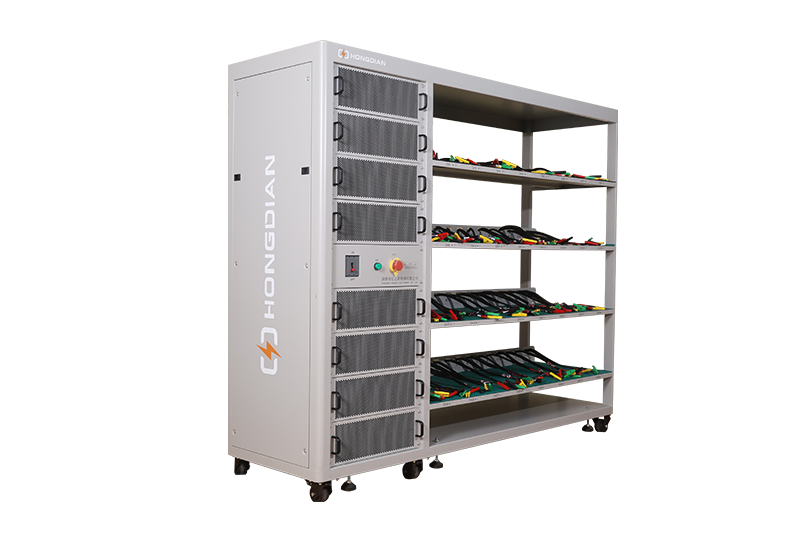 32/48 channel battery charging and discharging test integrated battery cabinet
 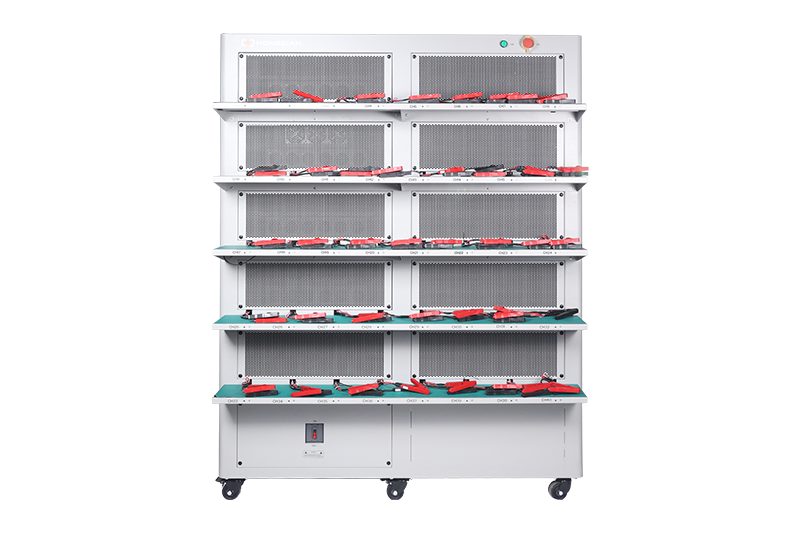 40 channel battery charging and discharging test integrated battery cabinet
  64 channel battery charging and discharging test integrated battery cabinet
 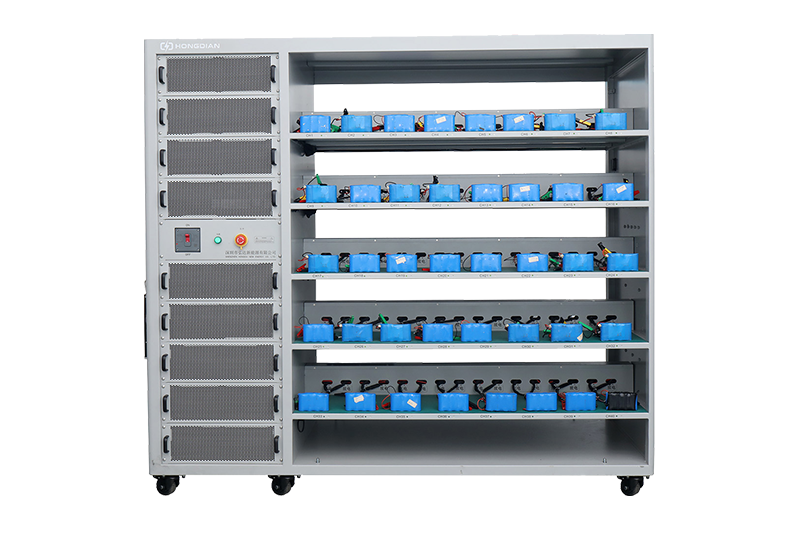 80 channel battery charging and discharging test integrated battery cabinet
 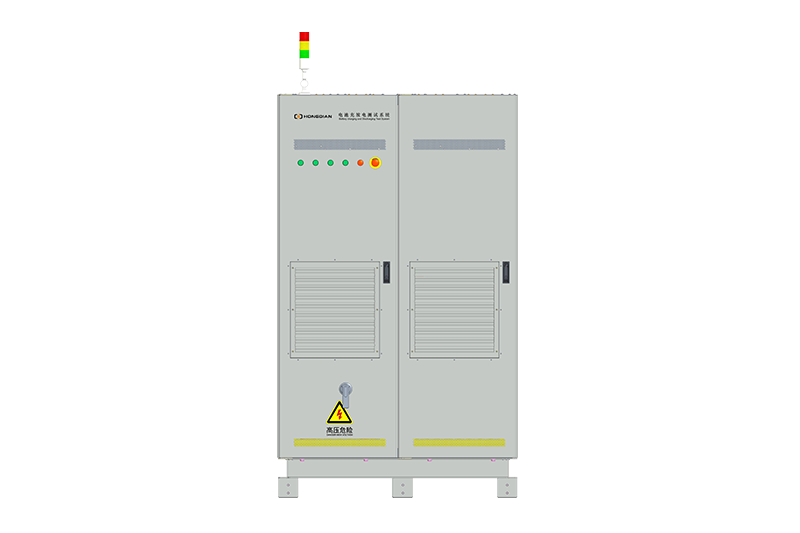 1000V-1500V High Voltage High Current Battery Testing System
 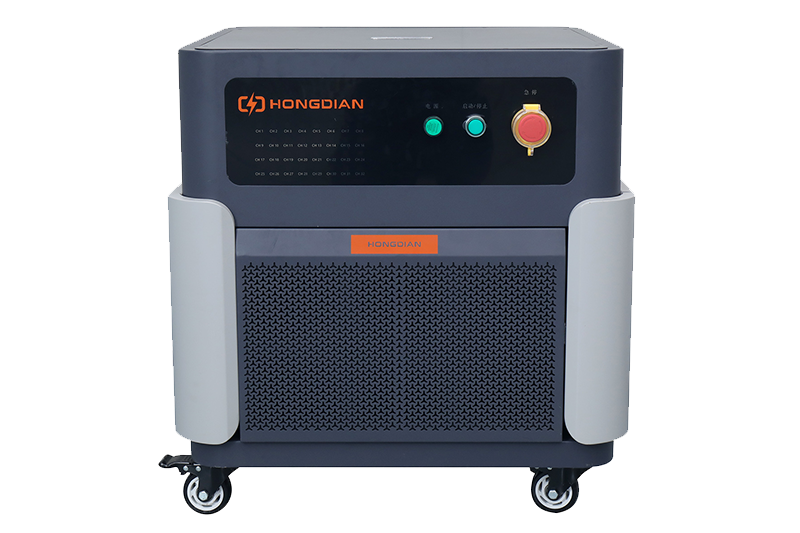 High-Precision Battery Testing System for Enhanced Performance Monitoring 30V/60V/100V/120V
 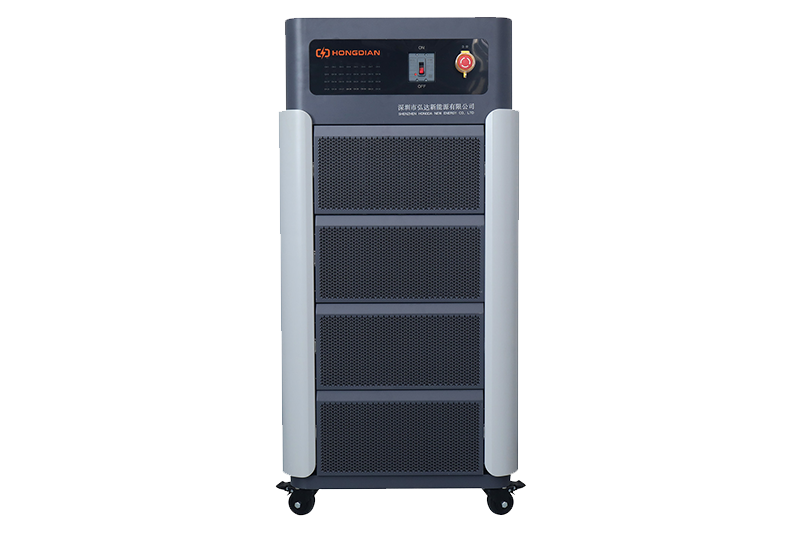 High-Precision Battery Charge Discharge Test Systems for EV Manufacturers
 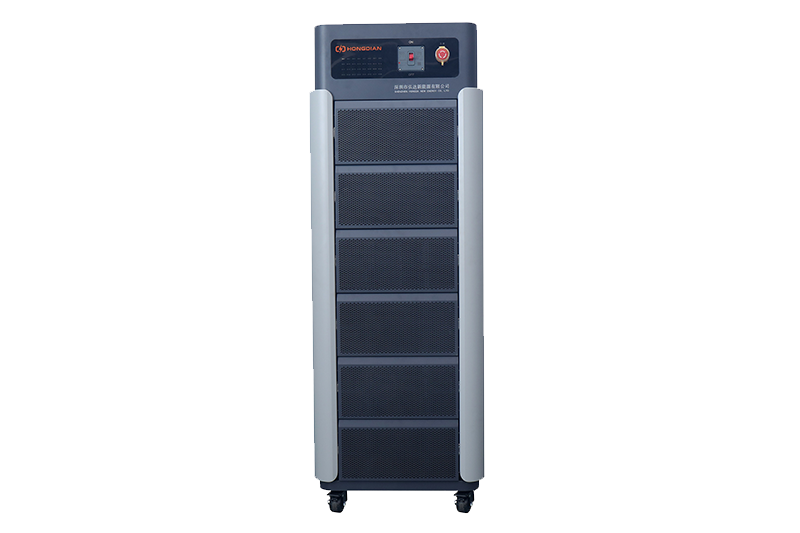 Precision Battery Test Racks for Cell Capacity & Internal Resistance Measurement
  Multi-Channel Battery Testing Equipment for Parallel Performance Analysis